On November 19th, 2026 the Board of State and Community Corrections (BSCC) voted to approve the updated minimum standards for Juvenile Titles 15 & 24 for juvenile facilities. Revising these standards has taken over four years with community involvement every step of the way making sure their voices were heard.
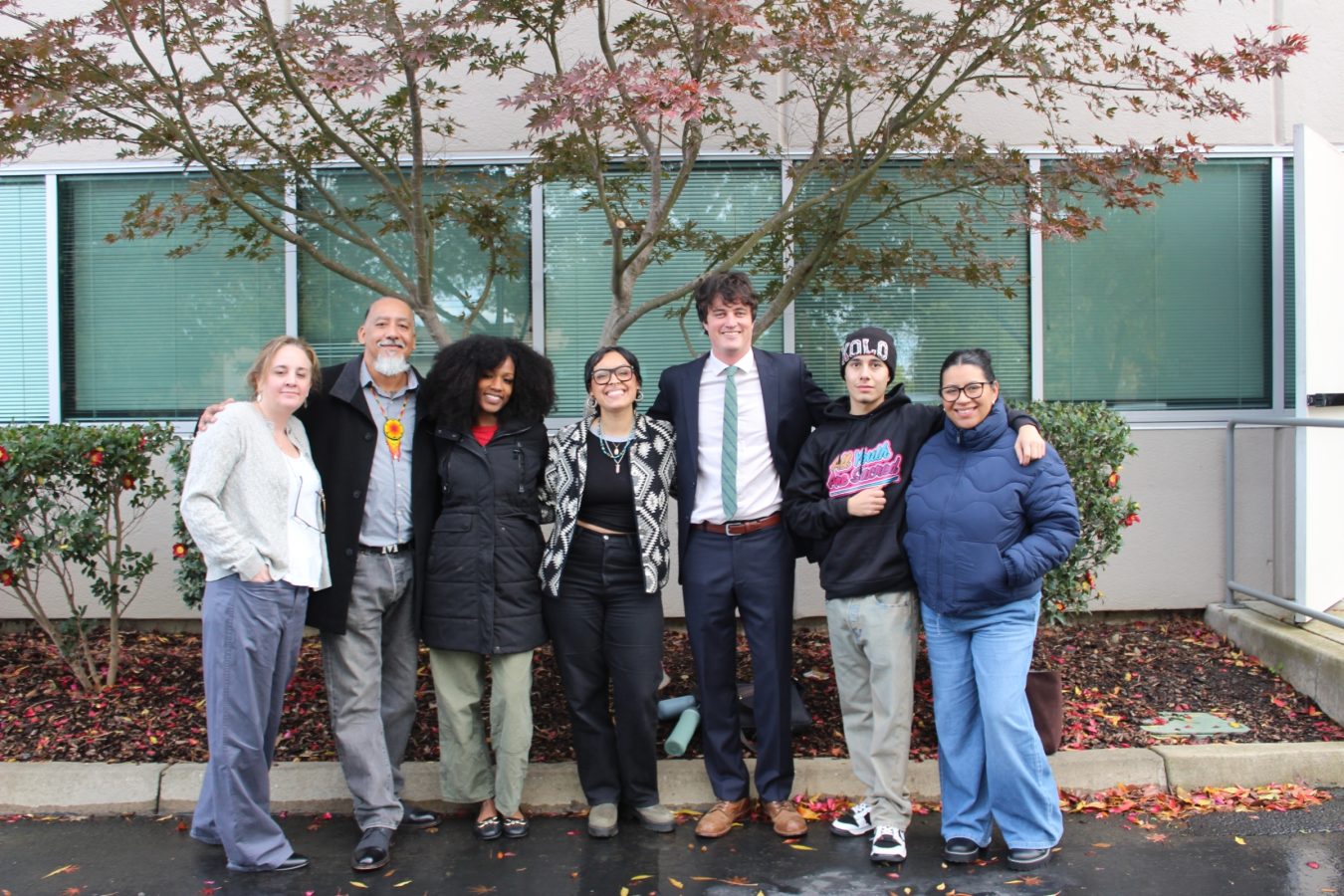
CJCJ has been proud to help lead state-wide coalition efforts to monitor and support this milestone achievement through the California Alliance for Youth and Community Justice. This work has included establishing an Executive Steering Committee (ESC) to guide these revisions and forming expert subcommittees focused on areas like education and programming.. Hundreds of public comments were made by impacted community members who care about youth care and safety. Youth voices were heard loud and clear, helping push these ultimate revisions through. We applaud their leadership and commitment throughout the process.
These new revisions also incorporate regulations for Secure Youth Treatment Facilities (SYTFs); they are the facilities in California counties now responsible for the care of young people who would have previously been in California’s, now closed youth, prisons. Youth can be in SYTFs for up to seven years.
Below are some of the new revisions that will benefit youth development, safety, education, and relationship building within California juvenile facilities.
- Updated Behavioral Health definition
- The addition of Credible Messenger definition
- Defining “brief periods of time” as it relates to room confinement
- Making safety checks less disruptive to youth’s sleep
- Require review of safety checks to ensure they are happening and not being falsified
- Full review of in-custody deaths
- The elimination of room confinement as a form of punishment
- Postsecondary education as a right that youth shall not be deprived of as a punishment
- Contact with siblings, children, extended family members, and OYCR ombudsperson not be allowed as a punishment
- Patient Treatment Decisions made in consultation with the youth
- Require audits and reports of health care services in facilities
- Transfer of Health Care Records
- Policies to reduce the amount of time in isolation or quarantine when handling disease outbreaks
- Change dental exams to semi-annual from annual
- Expand access to therapeutic services
- Requirement of at least two hot meals per day
- Increase mealtime from 20 to 30 minutes
- Access to hair care services monthly
- Youth will not be required to share any personal care items
- Menstrual products should be readily available without requiring a request each time they are needed
- Personal care items to include sunscreen, dental floss, lip balm and hair ties
- Regularly laundered clothing exchange and clean clothing
- Shoes/sandals for showers
- Access to additional blankets when cold
- Access to washcloths
- Bedding free of tears, stains, and holes
- Blankets laundered twice a month, instead of once a month
- Youth will not be responsible for cleaning and sanitation of the facilities
These revisions will now go on to the Office of Administrative Law to begin the formal rulemaking process. This next phase will include a 45-day public comment period, allowing stakeholders and community members an additional opportunity to review and submit formal feedback on the proposed language. At the same time, the Title 24 revisions will be submitted to the California Building Standards Commission to undergo its respective adoption process.
Thank you to everyone who contributed to these important regulatory revisions. California’s most vulnerable young people will benefit from these collective efforts. We look forward to following the final stages of this process.To celebrate this accomplishment and lift up our state-wide partners’ efforts, we have posted some of our favorite BSCC photos from the last four years on our Instagram page.