DDAP provides individualized case management and advocacy for youth facing detention. The program offers a proven, community-based alternative to incarceration — helping youth remain safely at home while addressing the factors that lead to system involvement.

Intensive case management and community support for high-risk Youth
How it Works
A CJCJ case planner meets with the youth during detention to develop a personalized case plan, outlining specific goals and commitments for the court’s consideration. If released to CJCJ’s custody, the youth receives intensive, hands-on support that includes:
- Regular in-person contact and mentorship
- Referrals to education, employment, and treatment services
- Family engagement and parenting support
- Advocacy in court and collaboration with probation
- Connection to positive community resources
DDAP staff build trust and accountability through consistency, empathy, and guidance. This helps youth stabilize and develop confidence and new life skills.
Eligibility & Referrals
DDAP receives referrals from:
- Defense attorneys, probation staff and juvenile courts
- Parents or guardians
- Community-based service providers
We focus on youth who are:
- Involved in San Francisco’s juvenile justice system
- At high risk of reoffending or with multiple prior convictions
- Managing challenges with substance use, educational barriers, or gang involvement
Impact
An independent evaluation of CJCJ’s DDAP comparing DDAP clients with similar high-needs youth who were referred to the San Francisco Juvenile Probation Department but did not receive DDAP services found that of the 76 DDAP clients compared:
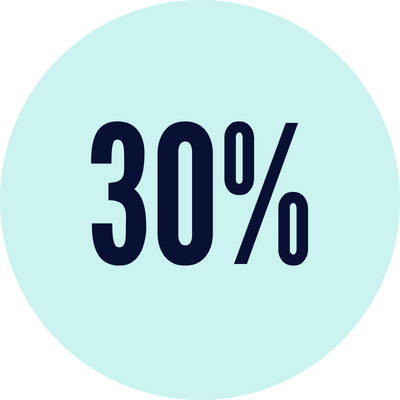
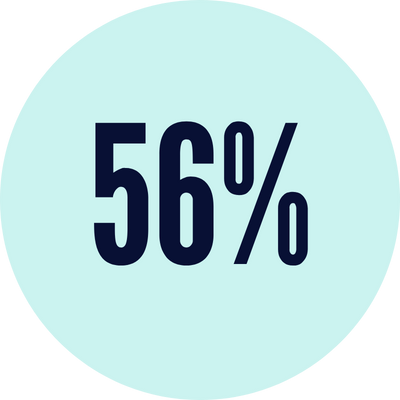

A National Model
In 1993, CJCJ developed DDAP to reduce unnecessary youth detention and commitment time, while increasing community engagement with youth exiting the juvenile justice system. DDAP was the first evidence-based pre-adjudication diversion program for high risk youth in the nation. By targeting the highest risk youth in San Francisco’s juvenile detention center, the program avoided the common problem of“net-widening”, which undermines traditional diversion programs. DDAP provides assessment, planning, and intensive case management. DDAP is recognized as a national model by the United States Department of Justice.
The United States Department of Justice recognizes DDAP as a national model. We have helped replicate DDAP in numerous cities, including Philadelphia, Baltimore, the District of Columbia, and Oakland, The transformative program has reduced detention populations and promoted systemic juvenile justice reform. The Robert F. Kennedy (RFK) Children’s Action Corps replicated DDAP in Boston, with our support. In July 2006, the RFK Corps received a Meritorious Achievement Award from the Massachusetts Executive Office of Public Safety for their DDAP program.
CJCJ has received numerous awards for DDAP, including:
- 1993: Diversity Award from the Center for Human Development
- 1993: Agency of the Year Award from the
San Francisco Delinquency Prevention Commission - 1998: Semifinalist for the Kennedy School of Government Harvard University Innovations in Government Award
- 2002, 2005, 2022: Recognized by the U.S. Office of Juvenile Justice and Delinquency Prevention (OJJDP) as a national model of evidence-based practice for alternatives to juvenile detention
Contact:
Booker Gray ‑Director of Juvenile Justice Services
bgray@cjcj.org
Tel: (415) 621‑5661 x. 106
Fax: (415) 621‑5466
Cell: (415) 505‑5492