Photo of Central California Women’s Facility
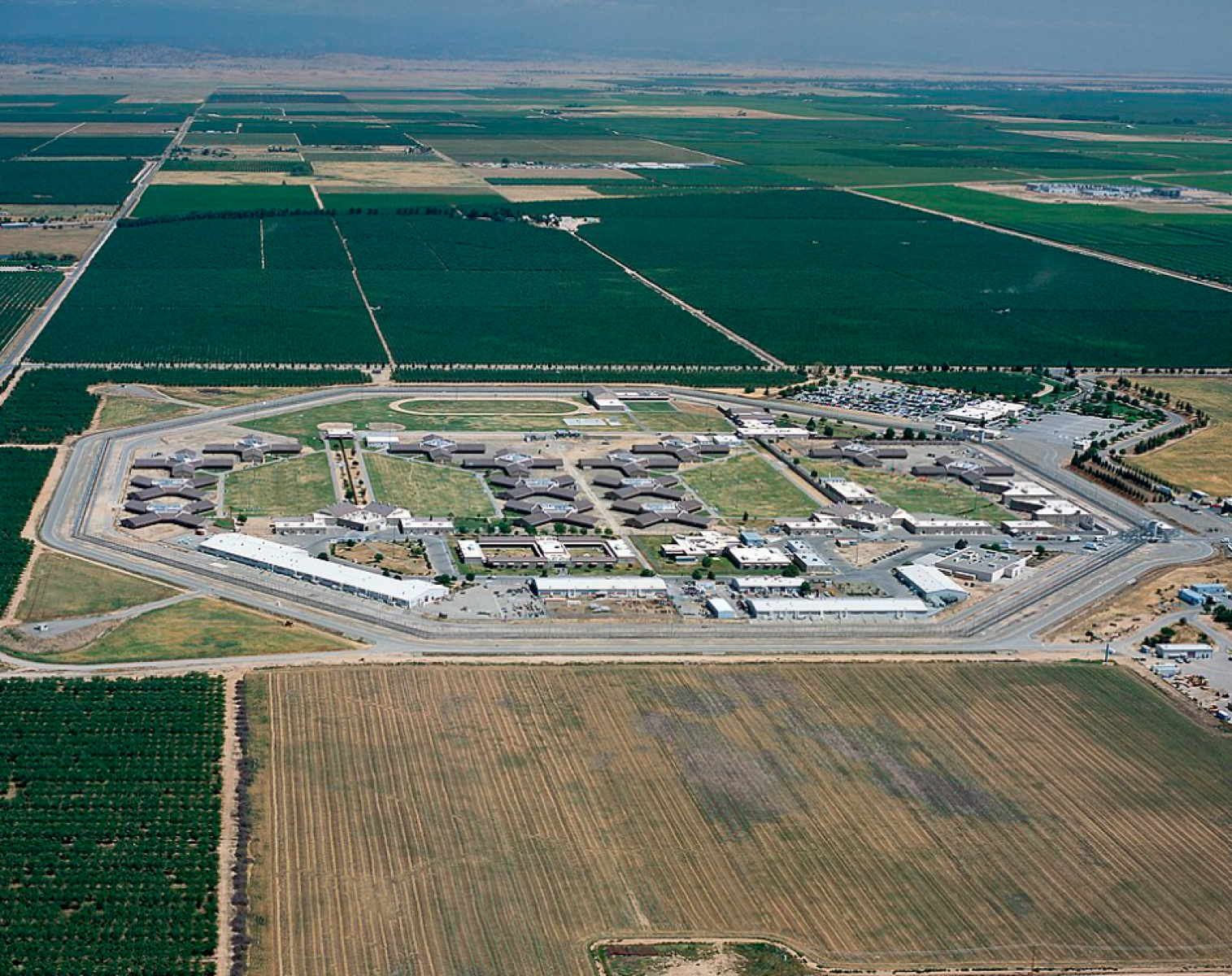
In August 2024, a large-scale “use-of-force incident” (i.e. staff assault) at the Central California Women’s Facility (CCWF) in Chowchilla resulted in significant harm to numerous women, resulting in a recent $1.9 million legal settlement. Lawsuits regarding this incident are still pending.
According to court filings and reporting, more than 150 women were removed from their cells and held for hours in a dining hall under extreme heat. The women reported being given limited access to water, medication, and medical care. When tensions escalated due to the deprivations, staff responded with chemical agents and physical force. Thirteen women later filed suit over this abusive treatment, and the state agreed to settle, which is essentially them acknowledging guilt without going to trial. While the settlement resolves the case for the women involved in the suit, it does not resolve the underlying causes and likely ongoing conditions.
Use-of-force incidents in California correctional settings are often evaluated in terms of policy compliance and the conduct of individual officers. In this case, internal investigations by the CDCR reportedly identified widespread staff mistreatment of female inmates. Collective punishments are frequently employed by CDCR staff in an attempt to assert control or retaliate against incarcerated individuals for challenging authority. California prisons have a long notorious history of physical, emotional, and sexual violations against imprisoned women along with forced sterilization.
When policy violations involve a large number of staff in a single incident, it demonstrates the pervasive acceptance of ongoing behavior. This raises broader questions about operational practices, supervision, and institutional culture. These are not questions that can be addressed through discipline alone. Instead, they point to the need for more comprehensive investigations by independent monitors who are able and willing to pierce the wall of staff and administrative silence that pervades these institutions.
Financial settlements play an important role in providing compensation to people who have experienced harm. However, settlements do not change the structural conditions and culture within facilities. Settlements, while necessary in cases such as this, do not reduce the likelihood of future incidents. Instead they allow the corrections authorities to quietly sweep the matter under the rug and continue business as usual.
California has faced repeated litigation over the years for the mistreatment of inmates by staff. The investigations, public denunciations, and financial settlements have done little to change the reality of prison life and are not sufficient to prevent recurrence.
Women in custody have distinct needs, including higher rates of chronic health conditions, histories of trauma, and caregiving responsibilities. These factors increase the risks associated with prolonged deprivation, exposure to chemical agents, and disruptions in medical care. In this case, subjecting a large number of women to forced containment in the cafeteria while limiting access to basic necessities is a form of torture.
The scale of incarceration is a central factor in understanding incidents like the one at CCWF. Larger correctional institutions create conditions where group management is more complex, where tensions are more likely to escalate, and where staff are emboldened to use excessive and illegal forms of collective control. In this instance, one solution is to reduce the number of women California incarcerates. This would alleviate the nearly inevitable short, and long-term damages that result from imprisonment.
Preventing harm in a California prison requires more than a monetary settlement for the abuse. It requires altering the conditions that foster mistreatment. Such work includes continuing efforts to reduce incarceration, while expanding who can be supported in community settings. It requires increasing access to non-custodial responses that address underlying needs, while ensuring that facility managers and staff are held accountable. There also needs to be continuous oversight by independent monitors operating outside the control of prison administrators.
The CCWF settlement provides only accountability for a specific incident, while highlighting ongoing challenges within California’s correctional system. Addressing these challenges requires structural changes in sentencing practice that emphasizes reducing incarceration among all California’s 58 counties. Counties that overincarcerate should be penalized for sending their incarcerated population into the state penal system for crimes that other counties handle at the local level. Fewer people in custody means fewer people exposed to the dangers and abuses that inevitably occur in the prison system.
Dan Macallair
CJCJ Executive Director