Publications Apr 9, 2013
Realignment in Los Angeles County
A closer examination of LA county’s unique realignment trends.

A January 2013 CDCR study finds that “lifers recidivate at markedly lower rates than those who serve determinate sentences.” While this is not necessarily surprising to criminal justice stakeholders, it does raise a data-driven reason for pursuing sentencing reform.
By sending more non-violent felons to prison than the state average, Monterey County isn’t doing as much as it could to help efforts for prison realignment, according to a new report.
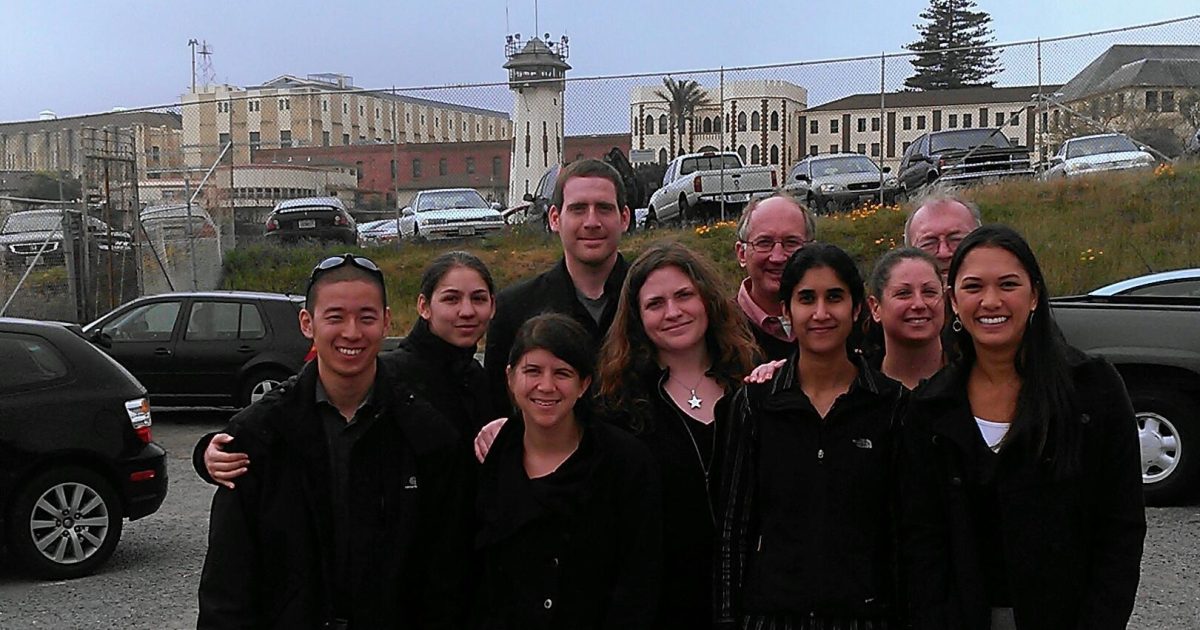
Blog Apr 2, 2013
The 4,054 human faces of San Quentin
on March 27, 2013, CJCJ revisited San Quentin State Prison to see what changes had occurred since the implementation of Realignment.
Apr 1, 2013
Up Front
Senior Research Fellow, Mike Males, discusses Realignment’s impact on county-by-county disparities.
Mar 30, 2013
Gangs taking to the suburbs, including Albemarle
Treating people who come from places where gangs proliferate as gang members themselves only perpetuates the cycle, Maccallair said.
CJCJ forges ahead with reform efforts in 2013
Blog Mar 26, 2013
The rich get richer while everyone else struggles
A couple of interesting news stories appeared today in the Los Angeles Times. The first one is titled “Forbes’ tally of billionaires jumps 16%; Buffett drops in list.” The second is called “Nearly half of Americans are one emergency from financial ruin.”
Mar 26, 2013
Radio Smart Talk: School Safety
What Sandy Hook [-] did was shine a spotlight on school safety.
Publications Mar 21, 2013
Beyond Realignment: Counties’ large disparities in imprisonment underlie ongoing prison crisis
California’s crises of prison overcrowding, unsustainable costs, and court-ordered population reductions are perpetuated by the disparate implementation of Realignment.
IMMEDIATE RELEASE: CJCJ report analyzes new data from the last quarter of 2012. Finds county disparities contribute to prison crisis and impact all CA taxpayers.
Blog Mar 21, 2013
Debtor’s prisons alive and well
As I have written before jails have been largely reserved for the poor and at one time in history words like jails and poorhouses (along with workhouses and prisons) were used interchangeably.