Feb 7, 2014
Conflicting Reports
The North Coast Journal references CJCJ’s new Realignment report that finds no direct connection between Realignment and violent crime rates.
CJCJ in the News Feb 7, 2014
California Counties, Realignment, and Crime Trends: 58 Different Stories
California Progress Report features an Op-ed by Senior Research Fellow, Mike Males, discussing CJCJ’s January 2014 report on Realignment and crime.
Feb 6, 2014
Don’t Blame Realignment for Crime Spike
Beyond Chron highlights a new CJCJ report on the impact of Realignment on California’s crime rates.
Celebrated actor Philip Seymour Hoffman’s death at age 46 from an apparent heroin overdose is yet another indictment of the ongoing failure of drug war officials.
Blog Feb 4, 2014
How to Address Pain for Life
Restorative practices are essential to improving the framework of our justice system. This new lens values the connection between the victim, offender, and the community. It allows for meaningful dialogue.
Jan 31, 2014
Study: Can’t link crime increases to realignment
News media article highlighting CJCJ’s recent report on Realignment and crime.
The Monterey Herald reports on CJCJ’s recent analysis of crime trends in post-Realignment California.
The Long Beach Press Telegram highlights a new CJCJ report that finds little evidence of a connection between Realignment and increased crime rates.
New analysis of 2012 data shows no correlation between public safety realignment and crime, Cameo House in the news, and a thank you to our generous donors!

Blog Jan 30, 2014
What Goes Around, Comes Around
Senior Research Fellow Randall Shelden reflects on historic training schools as many bodies are found at Arthur G. Dozier School for Boys in Florida.
Blog Jan 30, 2014
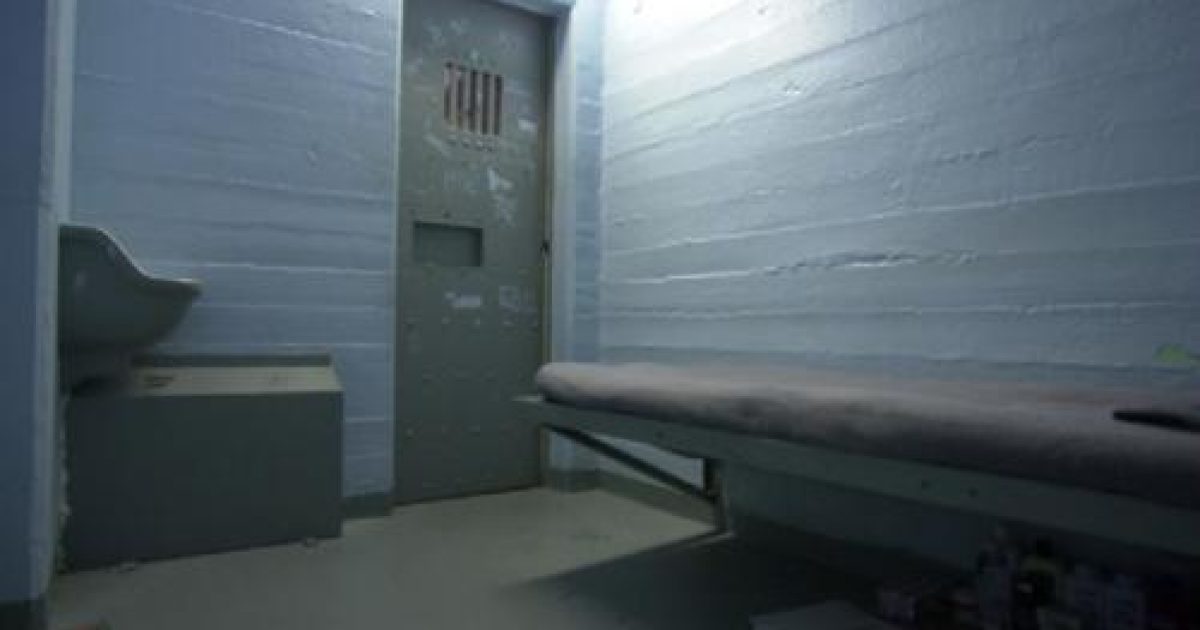
DJF Update: Need for authentic, integrated reform
California’s youth correctional system, the Division of Juvenile Facilities (DJF), commonly referred to as DJJ, is entering its tenth year under a consent decree to reform its practices to provide safe and rehabilitative environment. In October 2013, the latest and 27th Report of the Special Master was filed with the court.
CJCJ’s interactive map and a new report using 2012 data show 58 radically different Realignment experiences, with no statewide pattern emerging.