Blog Dec 26, 2013
Planning for the future of justice-involved youth
Dispositional case planning is the heart of juvenile probation services. It is the art of crafting a case plan presented to the Judge describing the recommended provision of services for the justice-involved youth.
Blog Dec 19, 2013
New laws to help Californians clean up their records
Two bills passed this year will help Californians with criminal histories reduce their barriers to employment and housing in 2014.
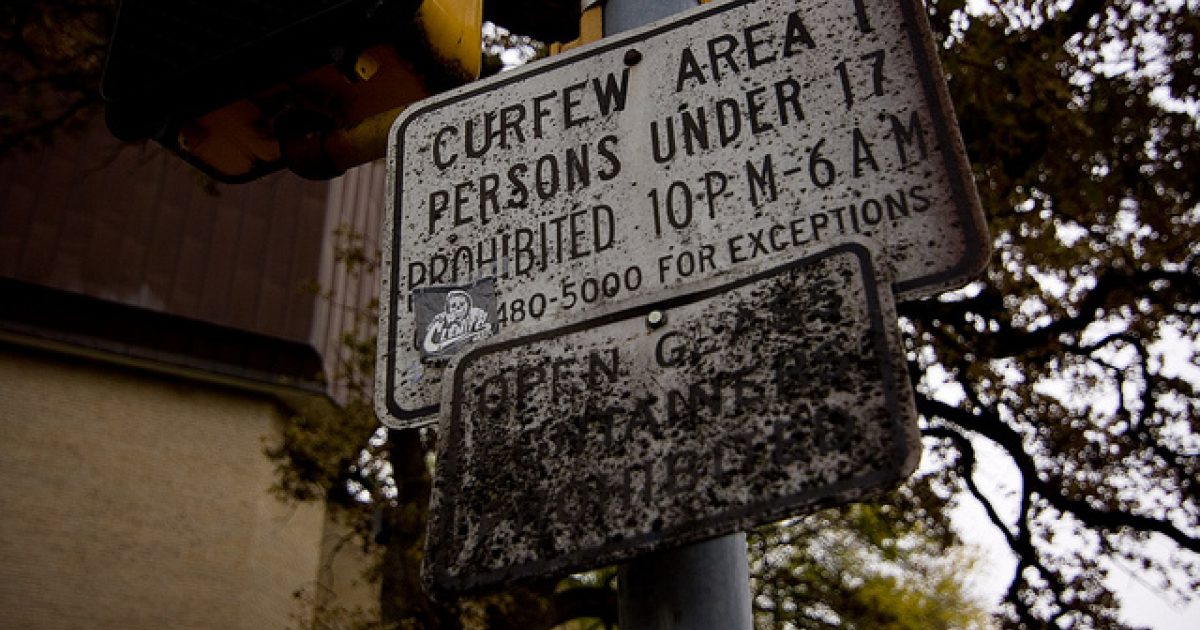
What is the best way to address the challenges of youth who break curfew, skip school, or runaway from home? Local justice leaders and policymakers would be wise to support cost-effective and successful alternatives to confinement.
Dec 16, 2013
CJCJ Newsletter — Thank you for a big year at CJCJ!
CJCJ reflects on its transformation in 2013: new programs, award winning staff, and our new Director of Women’s Services.
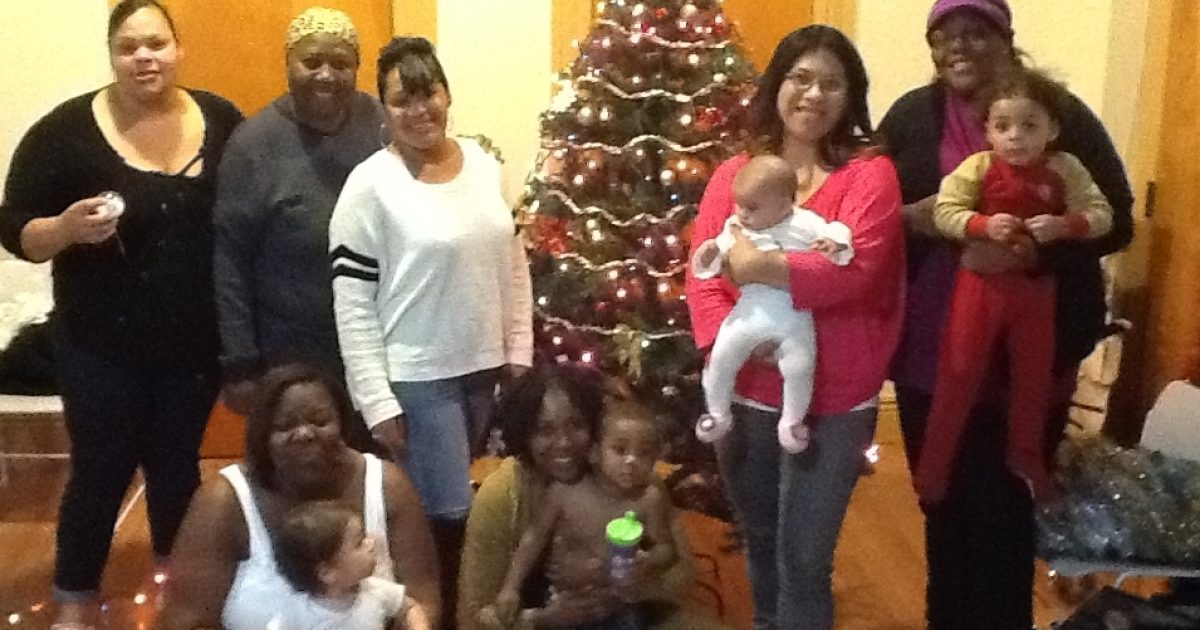
CJCJ is very fortunate to work with extraordinary organizations that are committed to providing comfort and compassion to society’s most vulnerable members. Meet the Family Giving Tree.
An in-depth look at the George Stinney case and what it could mean for juvenile justice policy almost 70 years later.
Dec 10, 2013
CJCJ statement on LA jail indictments
Official statement by Executive Director Daniel Macallair on the Los Angeles County jail indictments.
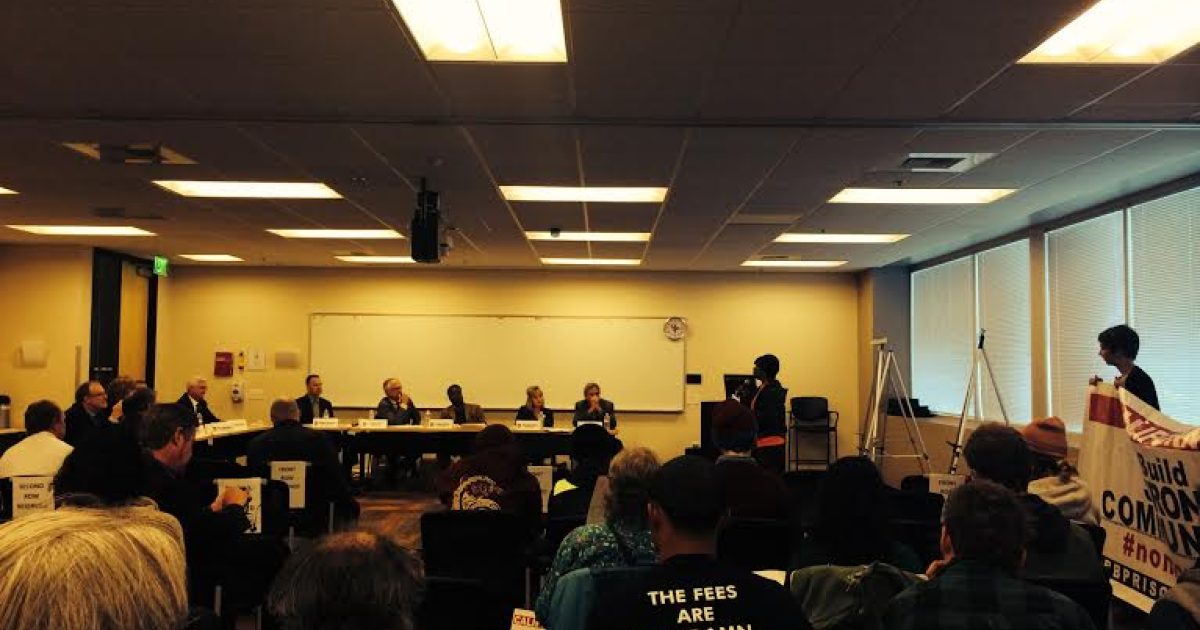
On December 4 – 5, 2013, representatives from 36 counties came to Sacramento and made their case to receive jail construction funding available through Assembly Bill (AB) 1022. With this legislation, California will allocate $500 million in revenue lease bonds for counties to construct adult criminal justice facilities.
Executive Director Daniel Macallair discusses property crime in a post-Realignment era.
Blog Dec 5, 2013
Standing while black
Some have claimed the “end of racism” in this country. The most recent claim comes from the Republican Party.

California’s next step in drug policy reform needs to be towards nondiscriminatory legalization of medical and recreational marijuana with funding mechanisms to prevent drug abuse. Design considerations for legalization must be informed to avoid federal enforcement, discriminatory effects, and other unintended consequences.
Unofficial notes from the meeting, taken by CJCJ’s Brian Goldstein.