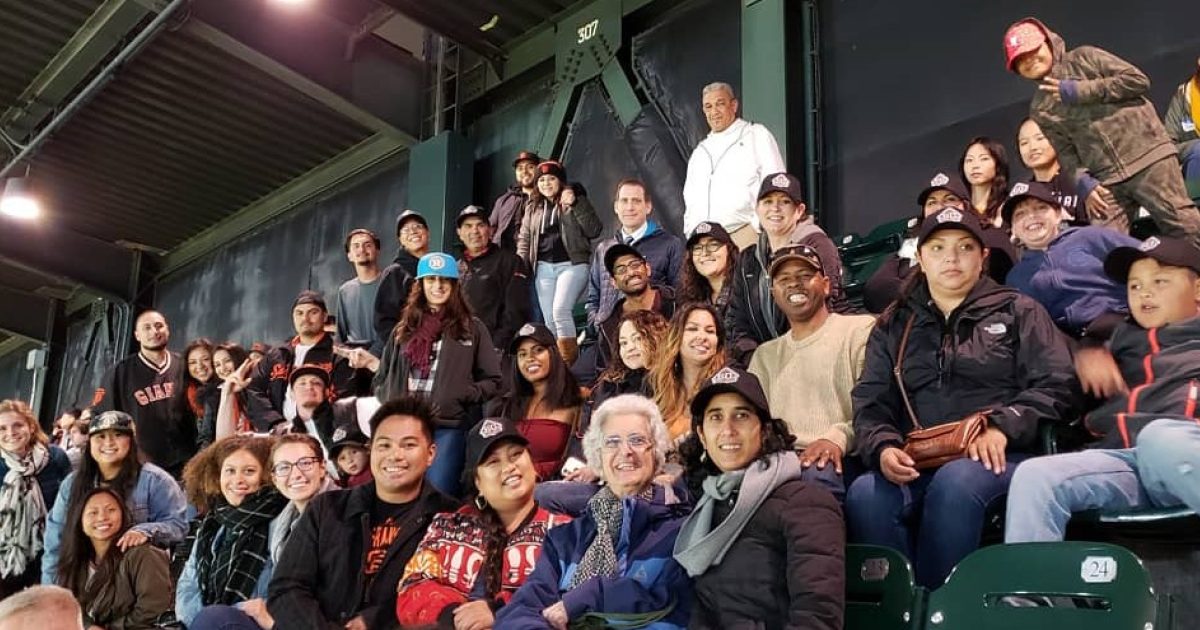
CJCJ’s team goes out to the ball game to celebrate new shared workspace, the Next Generation Fellows train to transform justice and build community, and CJCJ Director Gerald Miller speaks on a panel to improve young adult reentry.

CJCJ in the News Jul 31, 2018
As the criminal justice reform movement grows, District Attorney Mike Hestrin reaches out to local youth
The Desert Sun highlights research by the Center on Juvenile and Criminal Justice, citing crime trends on the California Sentencing Institute.
CJCJ in the News Jul 27, 2018
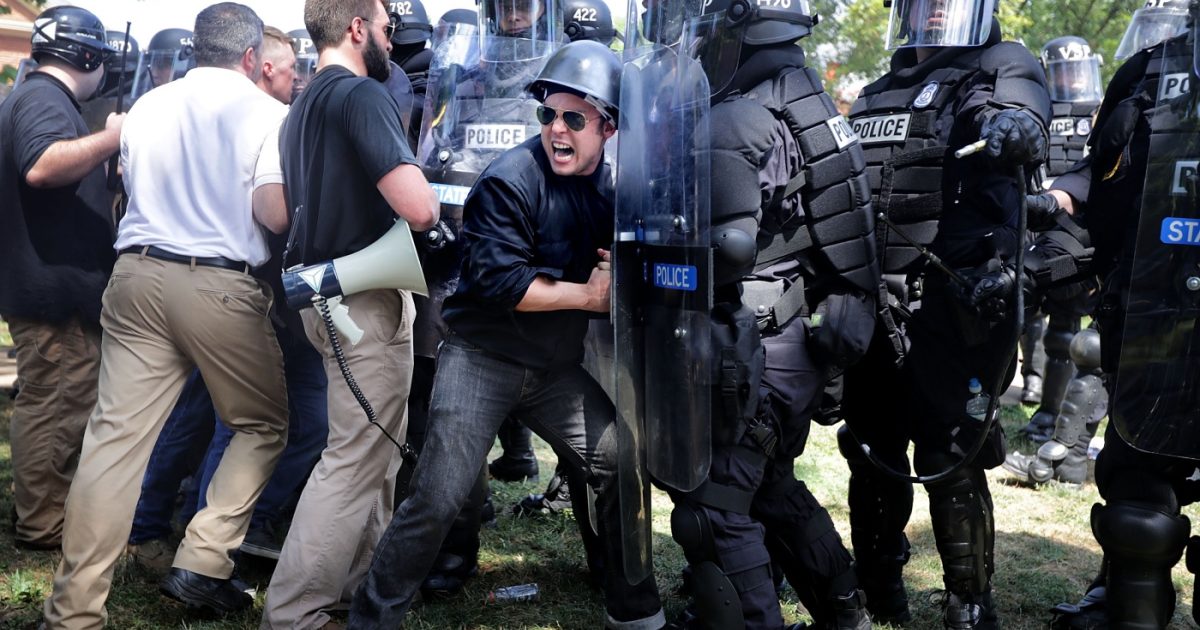
Busting the Myth of Immigrant Crime
CJCJ Senior Research Fellow Mike Males authors a commentary article in Yes! Magazine on immigration, which analyzes violence in white communities compared to diverse sanctuary communities.

CJCJ in the News Jul 25, 2018
California, Like Other States, Needs Independent Monitor to Solidify Reform, Ward Off Abuses
CJCJ Policy Analyst Maureen Washburn authors an Op-Ed in the Juvenile Justice Information Exchange (JJIE) about California’s Division of Juvenile Justice (DJJ), which has been mired in scandal for much of its history and requires independent monitoring to hold the system accountable.

CJCJ in the News Jul 23, 2018
Intersectionality, Complexity of California Juvenile Justice Dramatized in ‘The 57 Bus’
CJCJ’s Director of Policy and Development Brian Goldstein authors an Op-Ed on the complexities of youth in our juvenile justice system through the lens of “The 57 Bus: A True Story of Two Teenagers and the Crime that Changed Their Lives” by Dashka Slater.

NJ.com quotes CJCJ’s Senior Research Fellow Mike Males in an article on youth curfews: their ineffectiveness as a model of crime prevention and damaging impacts for young people.
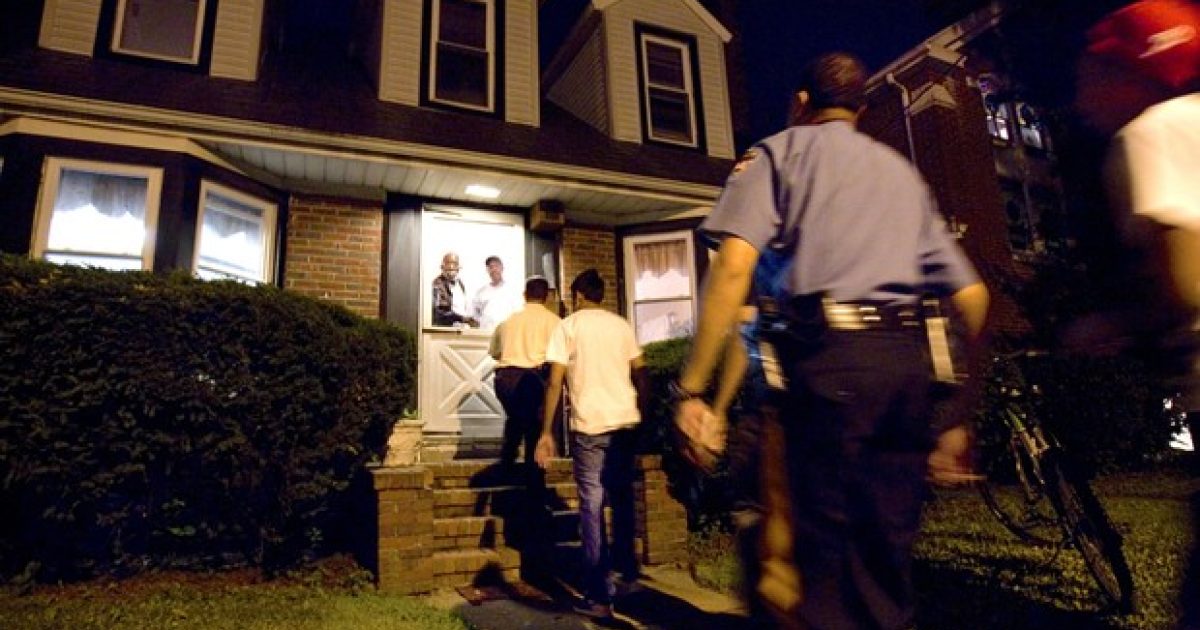
NJ.com quotes CJCJ Senior Research Fellow Mike Males on the dangers of youth curfew policies, which criminalize youth without improving community safety.
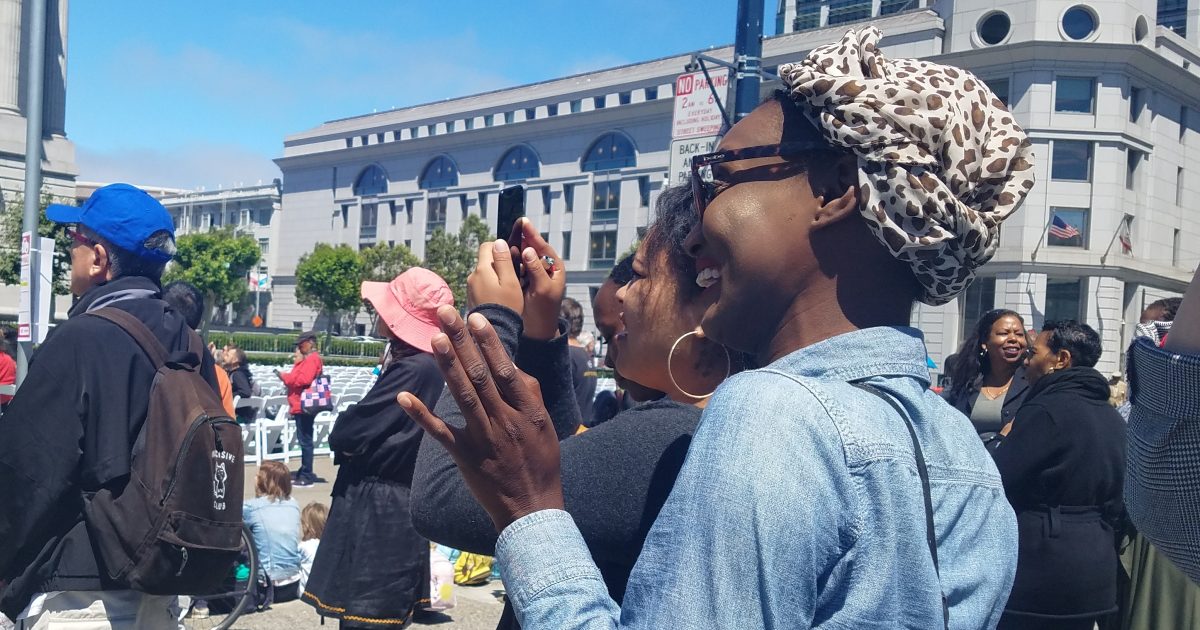
With over 6 million people barred from voting on Election Day through felony disenfranchisement policies, their communities are left without the voting power to access resources and address their needs. Opportunities for civic engagement, including voting, among justice-involved individuals can bring us closer to solutions.

In the FY 2018 – 19 budget, California makes prudent new investments in community-based youth but fails to modernize the state’s juvenile justice data bank and needlessly expands the troubled state youth correctional system.

CJCJ youth take an exciting trip to California’s Great America amusement park, Co-Sponsored bill to protect young children moves forward in the California Legislature, and an opportunity to support CJCJ’s transition to a new home.
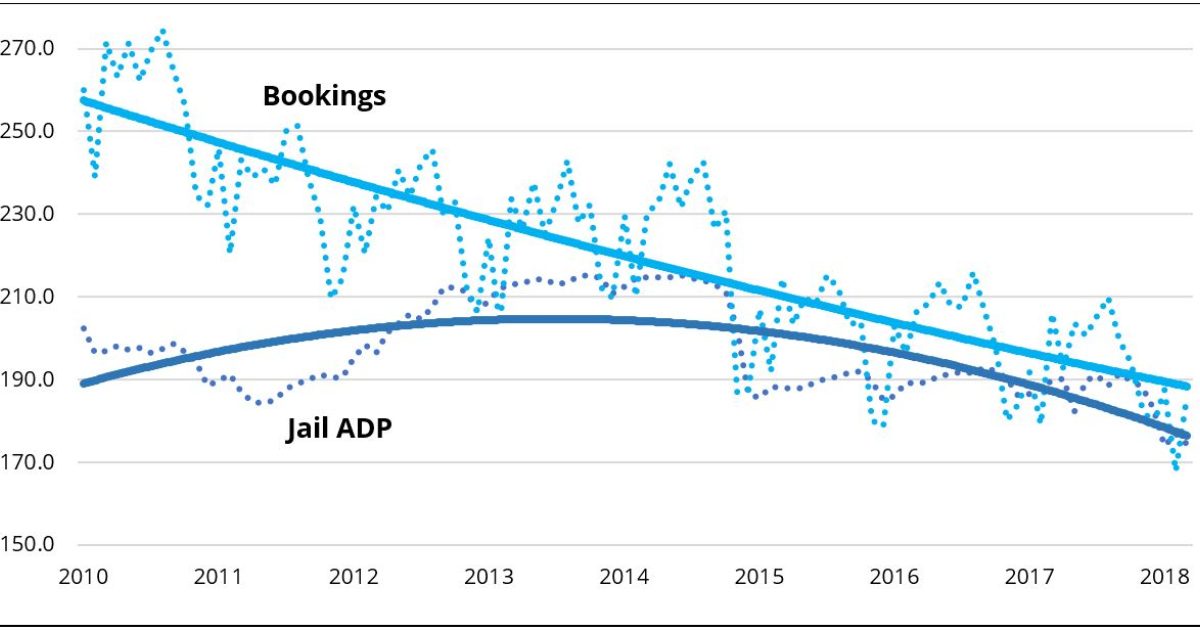
Despite initial fears that reductions in prison populations would rebound to counties by increasing jail populations, statewide prison reform now appears to be a model for “jail reform.”

Articles on social media responses to false confessions, civil and criminal forfeitures, police use of force on juvenile arrestees, recidivism among older adults, and more.