Blog Dec 6, 2018
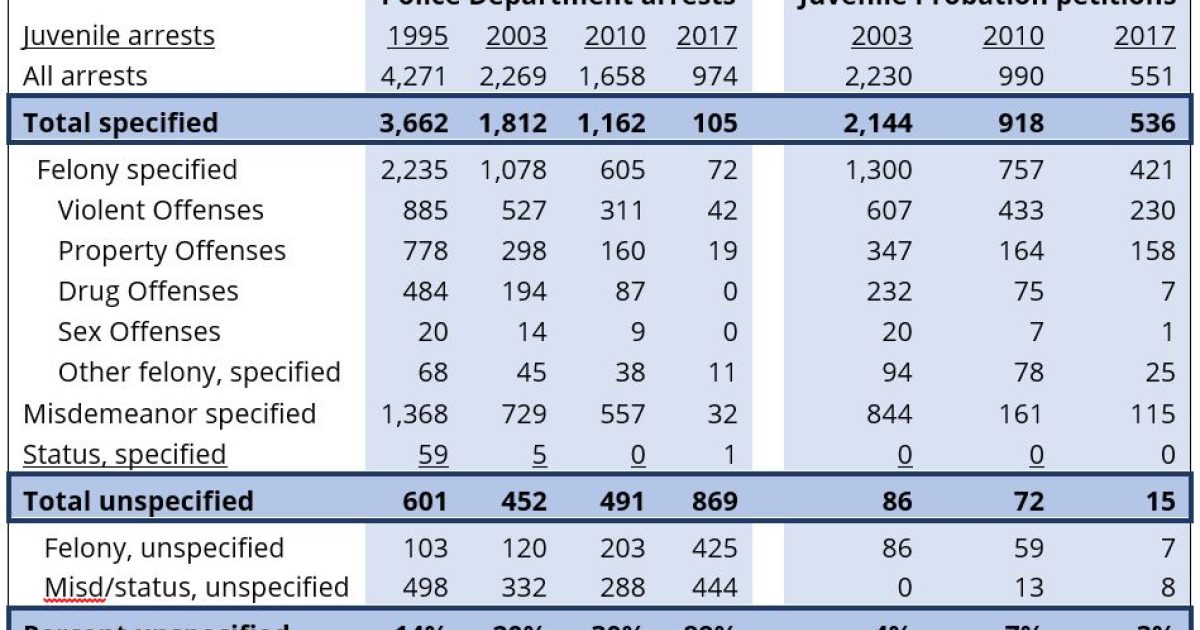
San Francisco police fail to specify charges in nearly 90 percent of youth arrests in 2017
The San Francisco Police Department (SFPD) deviates from all other law enforcement agencies in California in two key ways: it fails to properly report Latino statistics, and it fails to specify exactly what offenses it charges nearly nine in 10 arrested youths.
CJCJ in the News Dec 5, 2018
End Children’s Trauma, Harm By Prioritizing Them When Parents Arrested, in Court
CJCJ Communications and Policy Analyst Renee Menart discusses the collateral consequences of incarceration on children and family members in an Op-Ed published by the Juvenile Justice Information Exchange (JJIE).

A mother’s collaboration with Cameo House supports her son’s bright future, Help strengthen families and support communities this holiday season, and CJCJ’s Cameo House builds community with…
Blog Nov 27, 2018
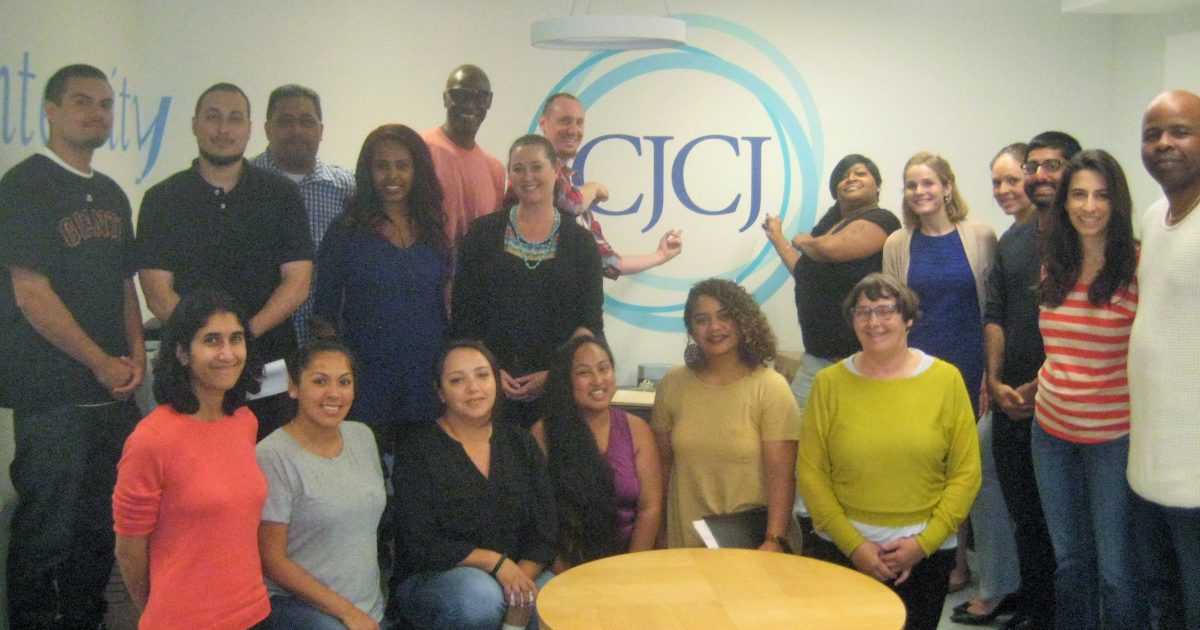
Give the Gift of Community Safety and Wellness
Every day, the CJCJ family of staff and clients works to ensure that our communities are safe and thriving. This #GivingTuesday, we ask for your support to strengthen community-based alternatives to incarceration!
CJCJ in the News Nov 4, 2018
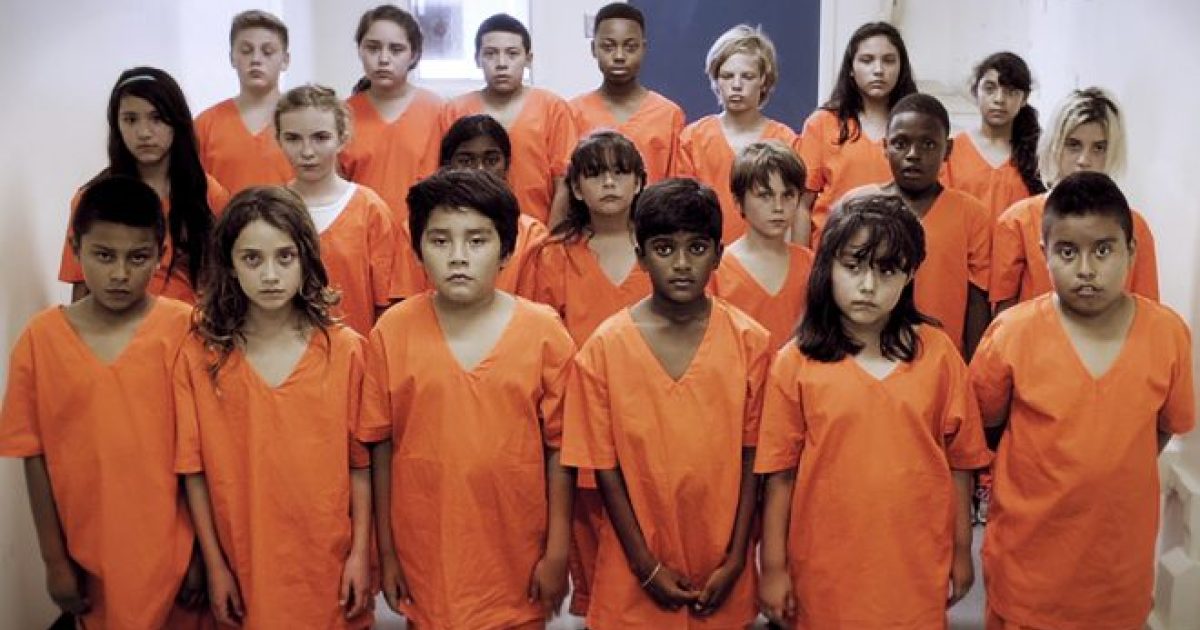
California Legislature Passes Bill Setting Juvenile Justice Minimum Age at 12
The Chronicle of Social Change highlights the Center on Juvenile and Criminal Justice’s key role in the passage of Senate Bill 439, which protects young children under age 12 from the juvenile justice system.
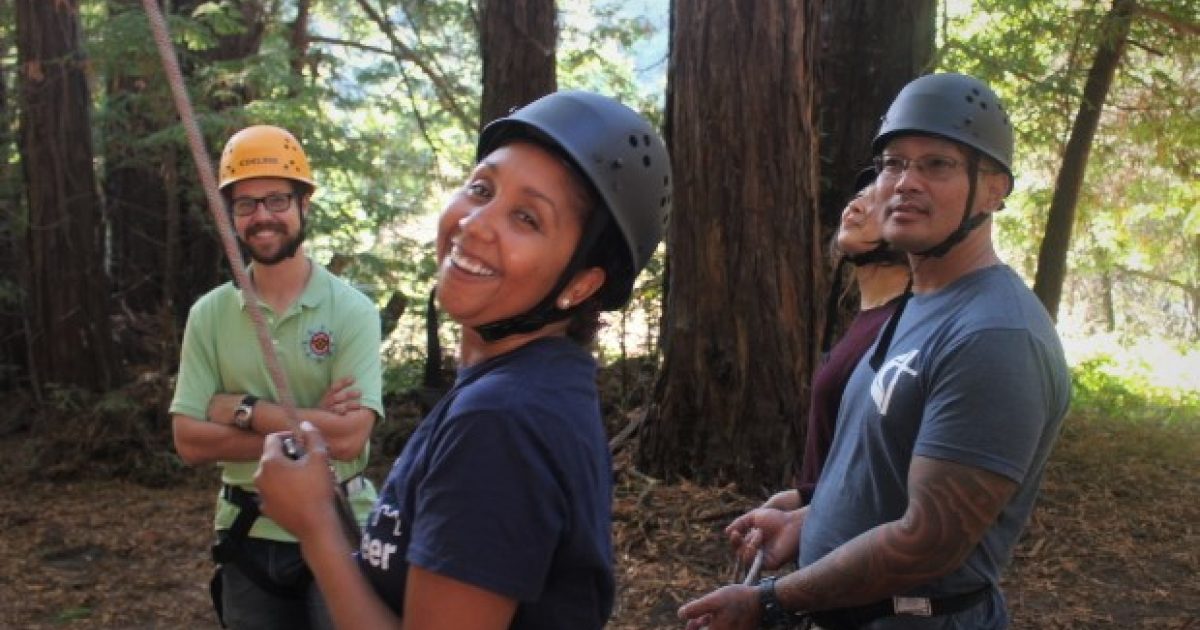
Next Generation Fellows learn together in the great outdoors, CJCJ hosts a voting workshop to prepare for Election Day, and Cameo House families enjoy time together at the City Kids Family Fair.
CJCJ in the News Oct 29, 2018
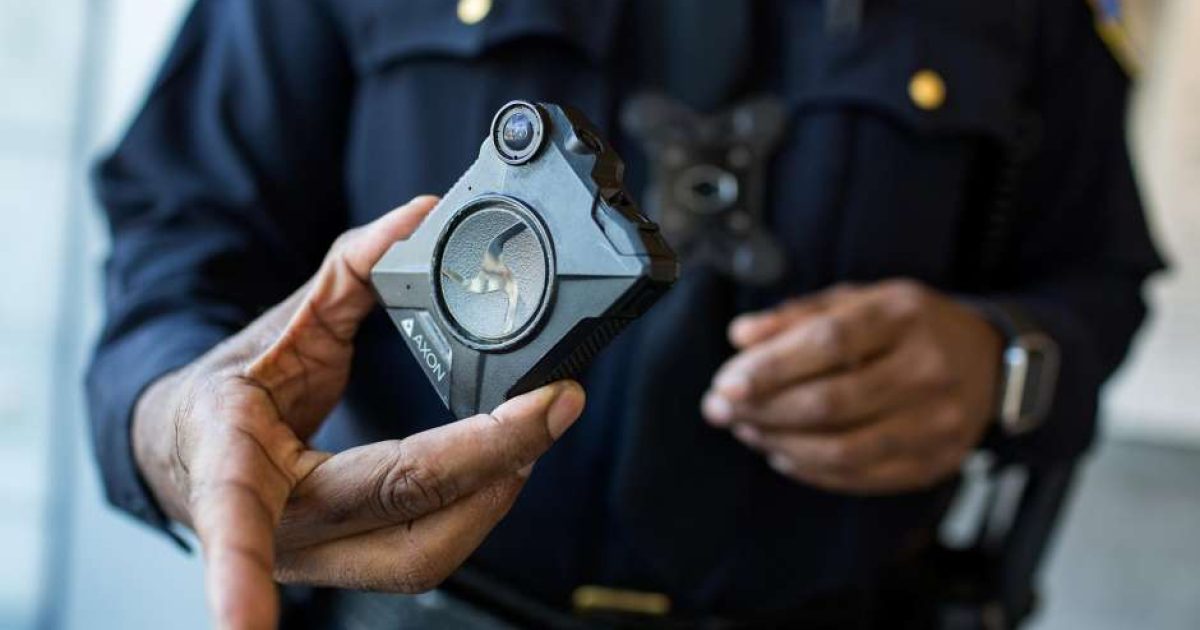
The Scanner: Complaints against cops fell with body cams, but questions remain
The San Francisco Chronicle quotes CJCJ’s Senior Research Fellow Mike Males in an article on current crime trends in California in the eighth year of its “justice reform era.”

CJCJ’s Director of Policy and Development Brian Goldstein authors an Op-Ed on the Trump administration’s OJJDP new juvenile justice policies that are harmful to youth and communities across the country.
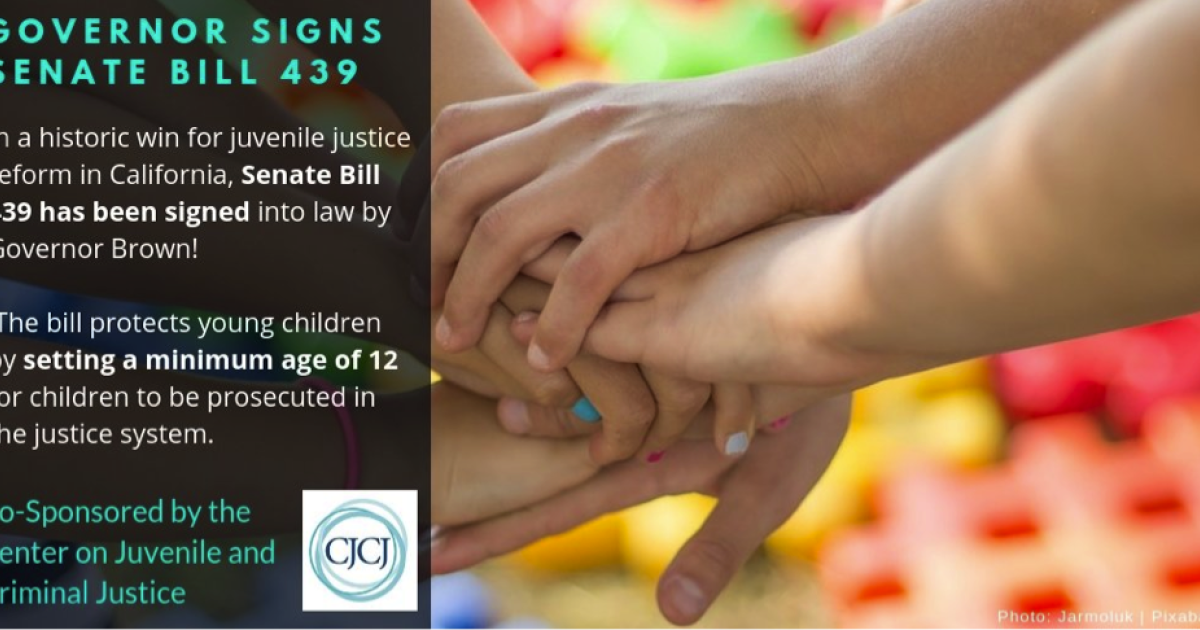
On September 30th, Governor Brown signed a historic piece of legislation ending the prosecution of children under 12 in juvenile court.

The Potrero View quotes CJCJ’s Senior Research Fellow Mike Males in an article about ongoing problems with San Francisco Police Department reporting practices and recent crime trends.
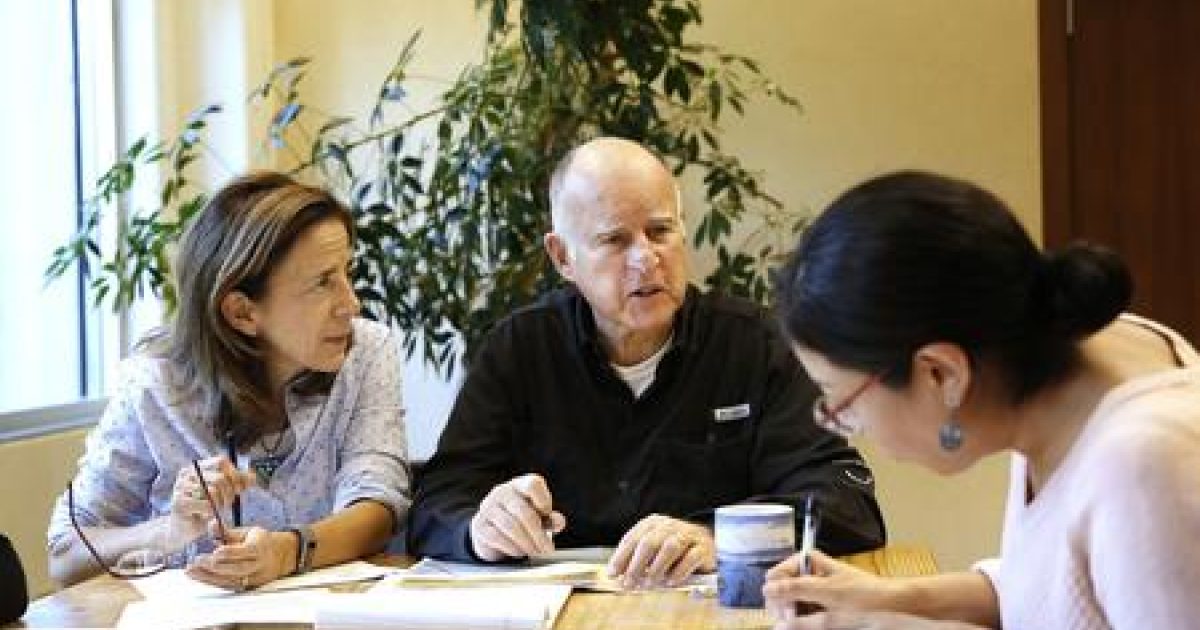
The San Diego Union-Tribune cites research findings by the Center on Juvenile and Criminal Justice in an article about recent justice reforms including Senate Bill 439, which protects children under 12 from prosecution in the juvenile justice system.
Publications Oct 4, 2018
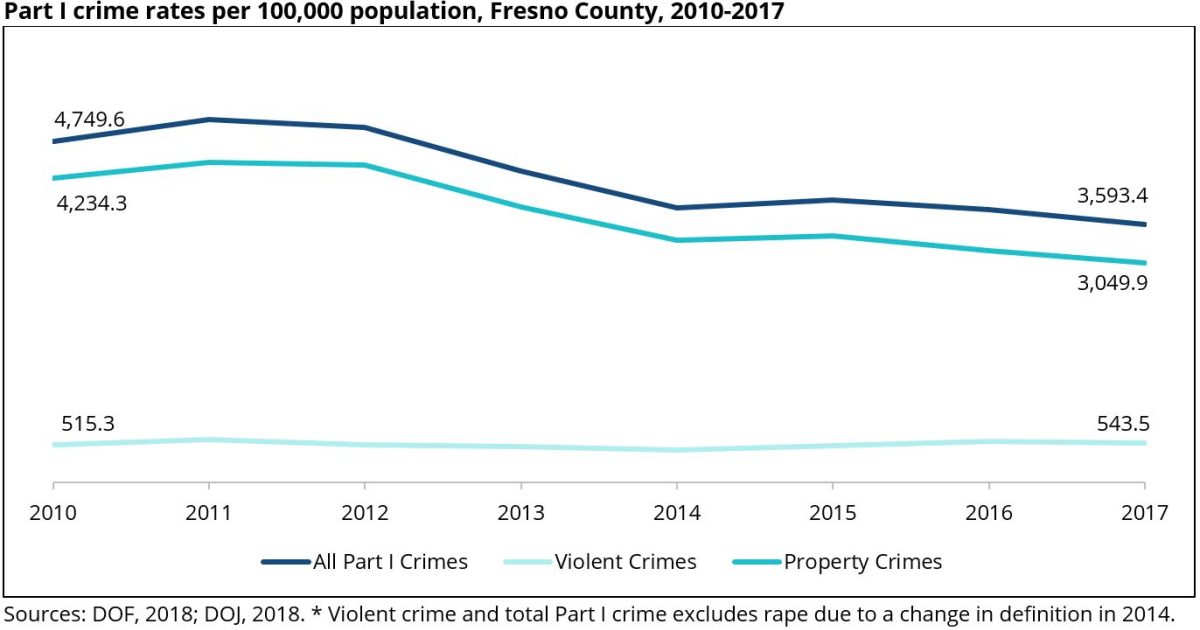
New Fact Sheet: Fresno County Shows Favorable Crime Trends in the Justice Reform Era (2010−2017)
CJCJ fact sheet finds amid statewide criminal justice reform, Fresno County & the City of Fresno have experienced generally positive crime trends including a 28% drop in the rate of property crimes.