The “Jeff Adachi Youth Rights” ordinance is now the strongest law in the country for youth in police custody, setting a precedent for counties across California and the U.S. and emphasizing the importance of local reform in the fight for youth justice.
Newsletter Feb 28, 2019
Violence at DJJ, Guide to Reentry, and more!
February news: CJCJ report uncovers dangerous conditions at CA’s Division of Juvenile Justice, new practical guide supports justice-involved youth during reentry, and CJCJ honors Jeff Adachi, San Francisco Public Defender.

A new practical guide for juvenile justice and social service providers emphasizes collaborative, holistic support and meaningful engagement with youth and their families during the reentry process.

The Center on Juvenile and Criminal Justice mourns the passing of Jeff Adachi, San Francisco’s Public Defender.
Publications Feb 19, 2019
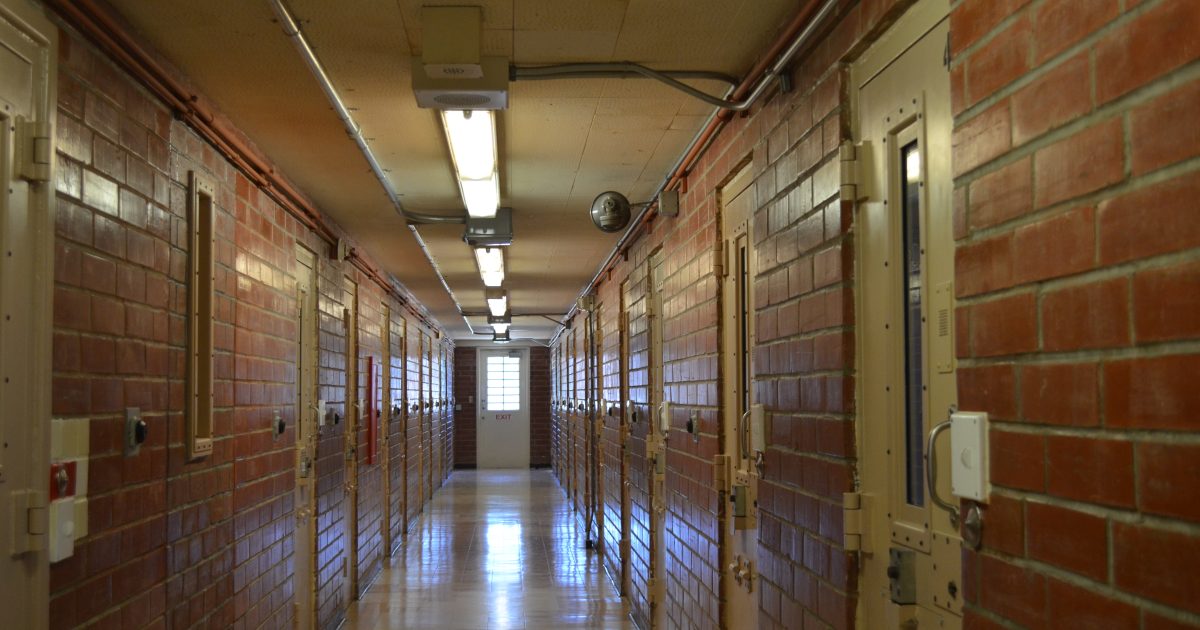
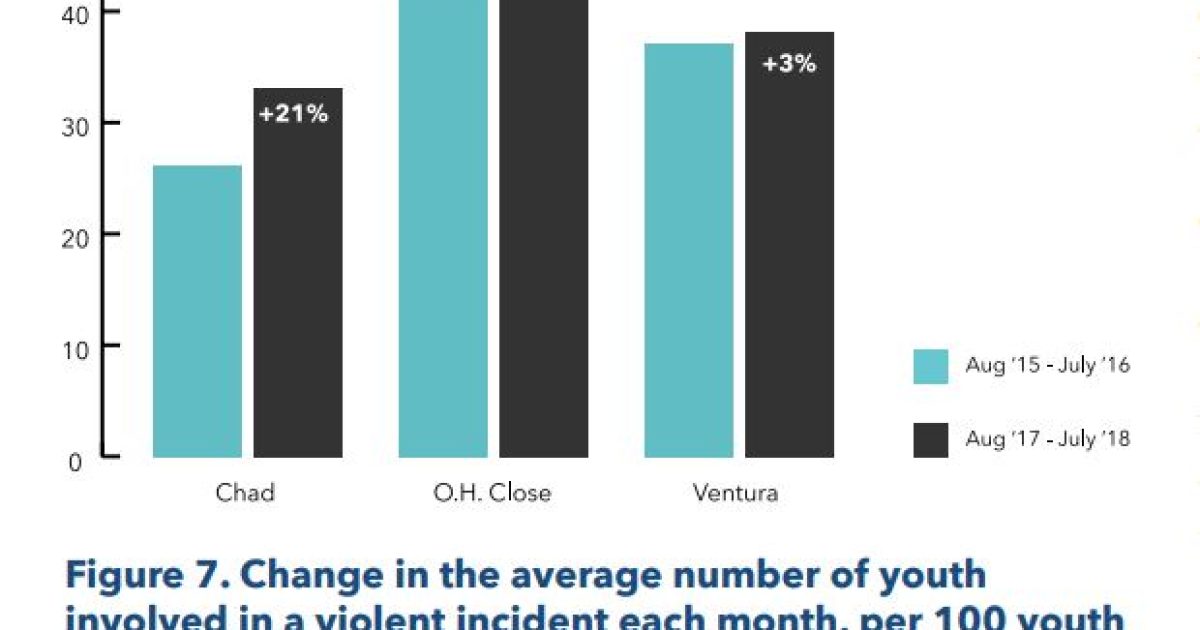
New Report: Pervasive Violence and Isolation at California’s Division of Juvenile Justice Endanger Youth
CJCJ’s comprehensive review of conditions at California’s state-run youth correctional system finds a return to its historically grievous conditions that isolate and traumatize youth.
CJCJ in the News Feb 19, 2019
Violence, Neglect & Fear Makes Kids Worse Not Better At California’s Division Of Juvenile Justice, Says Scathing New Report
Witness LA discusses key findings of CJCJ’s recent report on harmful conditions at California’s state-run youth correctional facilities run by the Division of Juvenile Justice (DJJ).
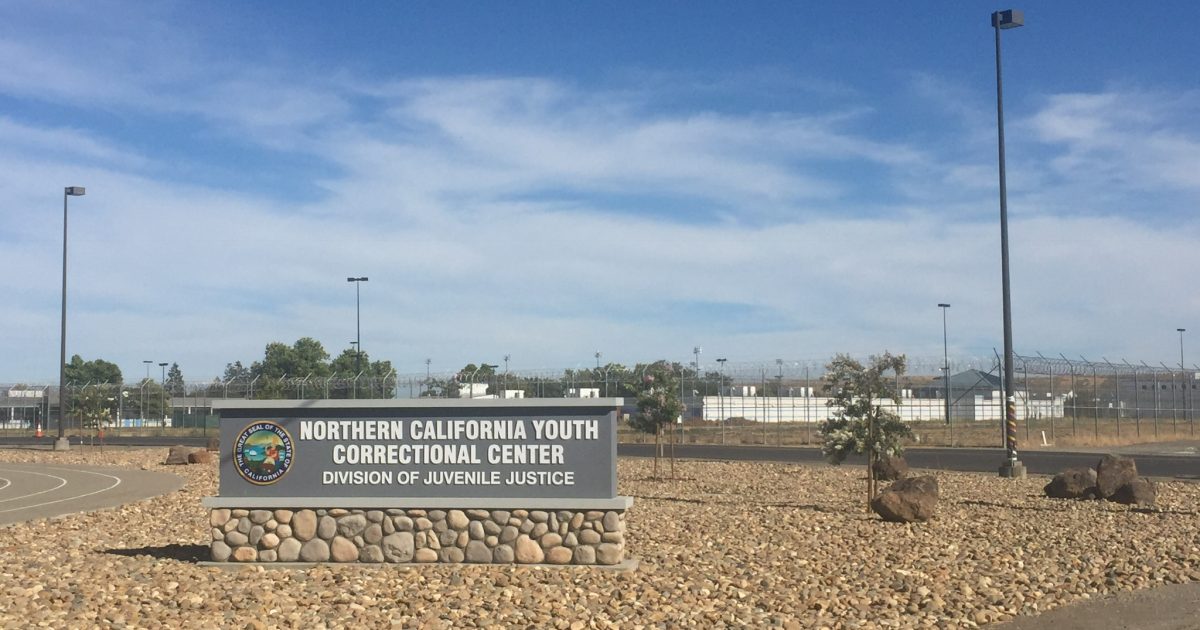
CJCJ in the News Feb 19, 2019
KQED: State Juvenile Justice Facilities Are Failing Kids, Report Finds
KQED’s Marisa Lagos sits down with CJCJ’s Maureen Washburn and Renee Menart to discuss California’s troubled Division of Juvenile Justice (DJJ) facilities.
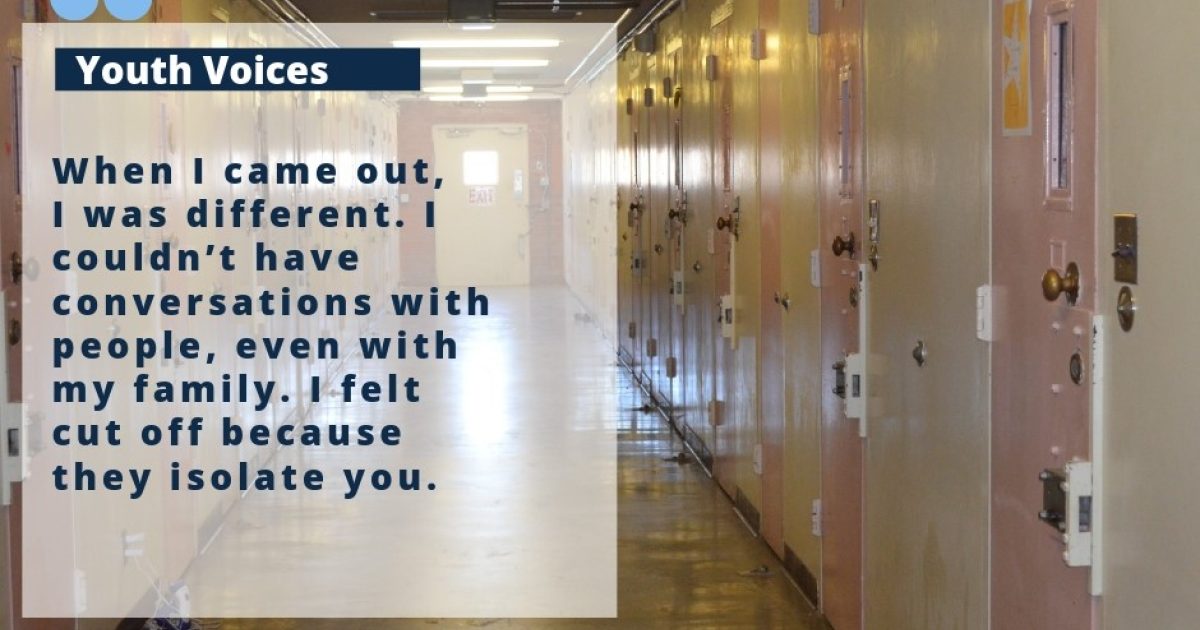
CJCJ in the News Feb 19, 2019
KPCC: Phasing out pepper spray, low probability high consequence disasters, the ninth circuit
CJCJ’s Renee Menart discusses dangerous conditions at the Division of Juvenile Justice (DJJ) on 89.3 KPCC’s Take Two with A Rodriguez.
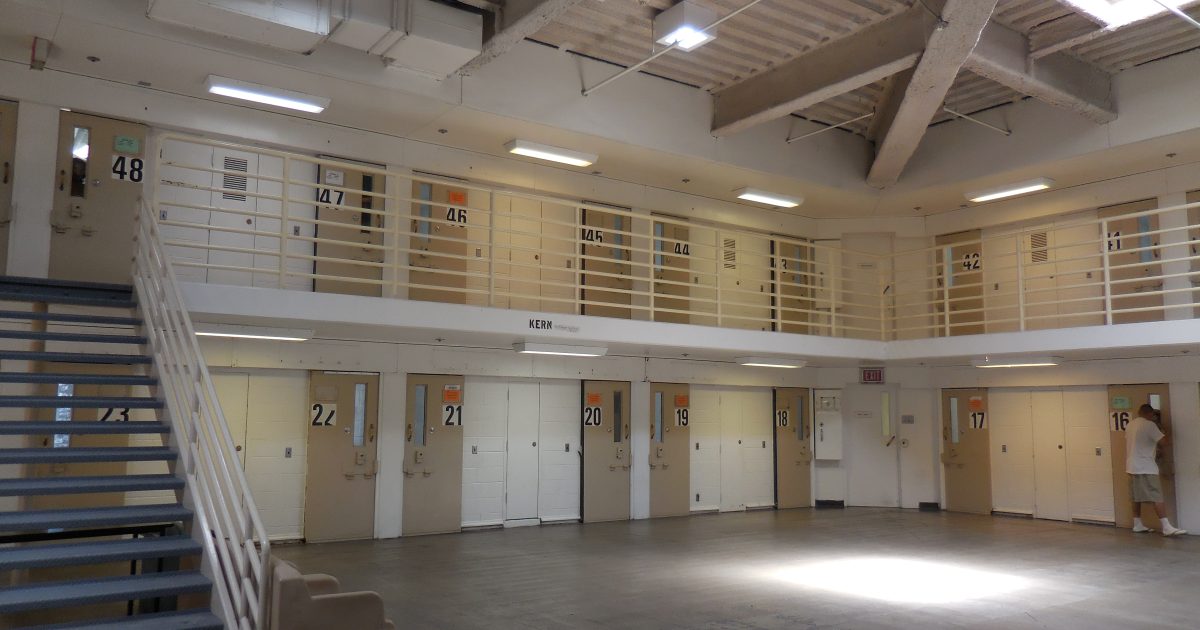
CJCJ in the News Feb 19, 2019
California’s Juvenile Justice System Had 16 Years To Fix Its Abuse Problems. It Didn’t.
The Huffington Post covers CJCJ’s new report on conditions at California’s Division of Juvenile Justice, a youth’s experience, and the authors’ key takeaways.
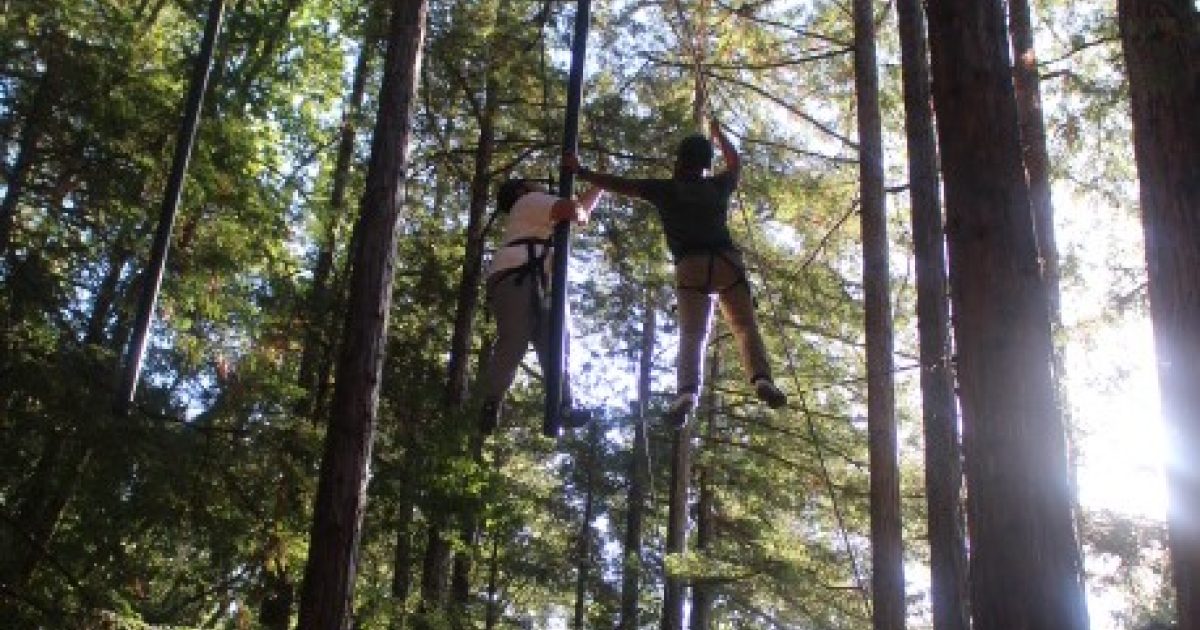
This year, CJCJ and Motivating Individual Leadership for Public Advancement (MILPA) were proud to bring together 15 justice reform leaders for the 2018 fellowship.
Blog Feb 13, 2019
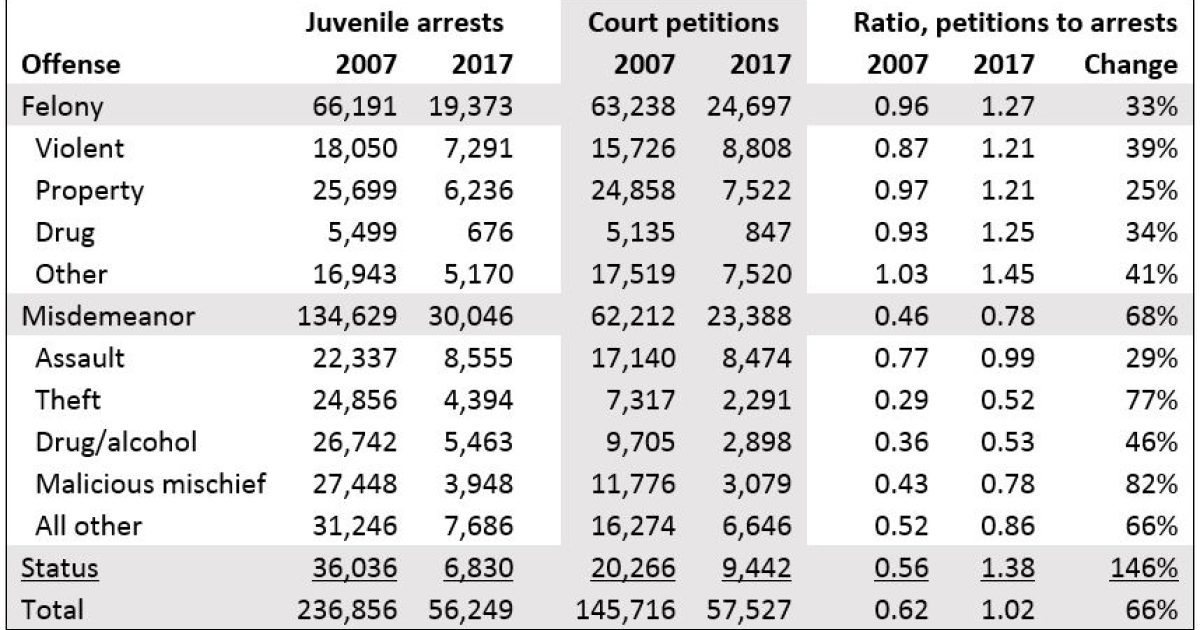
Fewer California youth are getting arrested, but those arrested face more consequences
As youth arrests plummet in California, falling 76 percent from 2007 – 17, the proportion of arrested youth subjected to court action has skyrocketed.
Revisions to Minimum Standards for Juvenile Facilities establish new rights for youth in local juvenile justice facilities as of Jan 1, 2019. Share this guide!