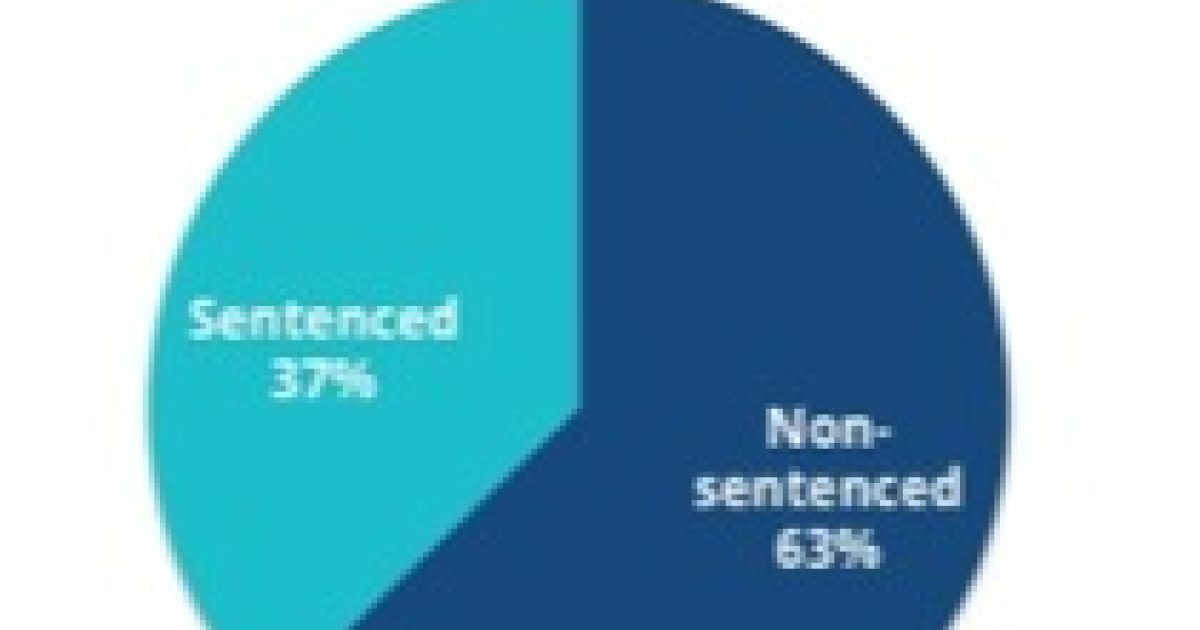
Most people in California’s jails have not had their day in court — they are detained because they are simply too poor to post bail.
Blog Jul 29, 2014
California’s Radical Youth Trends
Huge reductions in youth incarceration, huge increases in populations of youth of color — and huge reductions in youth crime. Who knew?
CJCJ’s Mike Males on the truth about gun violence, gun control, and youth of color.
Blog Jul 25, 2014
A New Approach for Juvenile Facilities in California
California’s Board of State and Community Corrections makes critical decisions on the future of the state’s justice-involved youth — and the public is beginning to pay attention.
Jul 23, 2014
CJCJ in the news: As Juvenile Arrests Plummet, California Still Investing in Incarceration Facilities
The Chronicle of Social Change highlights advocacy by CJCJ and others to use state funds for local innovative programming-based juvenile justice facilities.
Blog Jul 22, 2014
Scapegoating the Poor
The story of a single working mother who faces a decade in prison for allowing her daughter to play in a park unsupervised demonstrates our foolish reliance on incarceration and punishment as a way to poverty.
Violence trends make fools of its debaters — or would, if anyone called them to account.
Blog Jul 8, 2014
More money, more beds?
Kate McCracken discusses the upcoming allocation of $80 million dollars in construction funding for juvenile facilities in California, and suggests the state think outside the box.
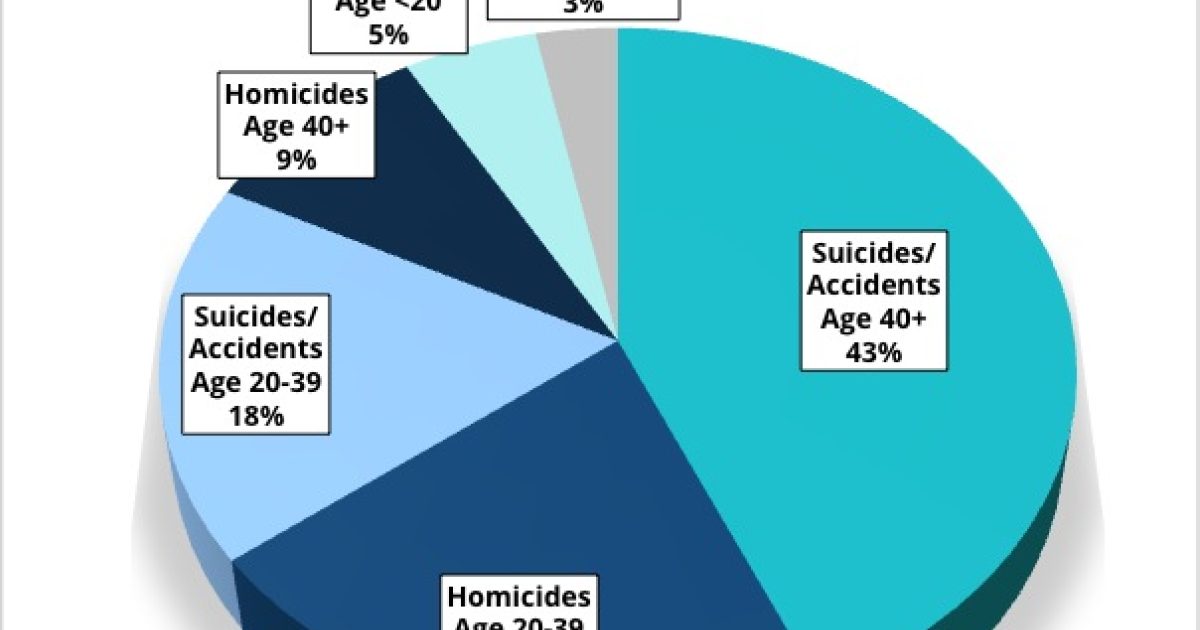
32,351 Americans died from gunfire in 2011. Nearly half of them were older white men shooting themselves.
Blog Jul 2, 2014
Who’s Threatening Murrieta’s “Safety”?
A California city’s mayor and shouting protestors claim 140 Latino women and child immigrants threaten their town’s “safety.” The city’s own crime statistics suggest otherwise.

By equalizing treatment and punishment for crack and powder cocaine, Sen. Mitchell’s SB 1010 recognizes drug abuse as a health issue and promotes racial equality.
San Francisco’s Bay Area Reporter highlights the LEAP program, which CJCJ operates in partnership with the San Francisco Public Defender’s Office.