Blog Oct 21, 2014
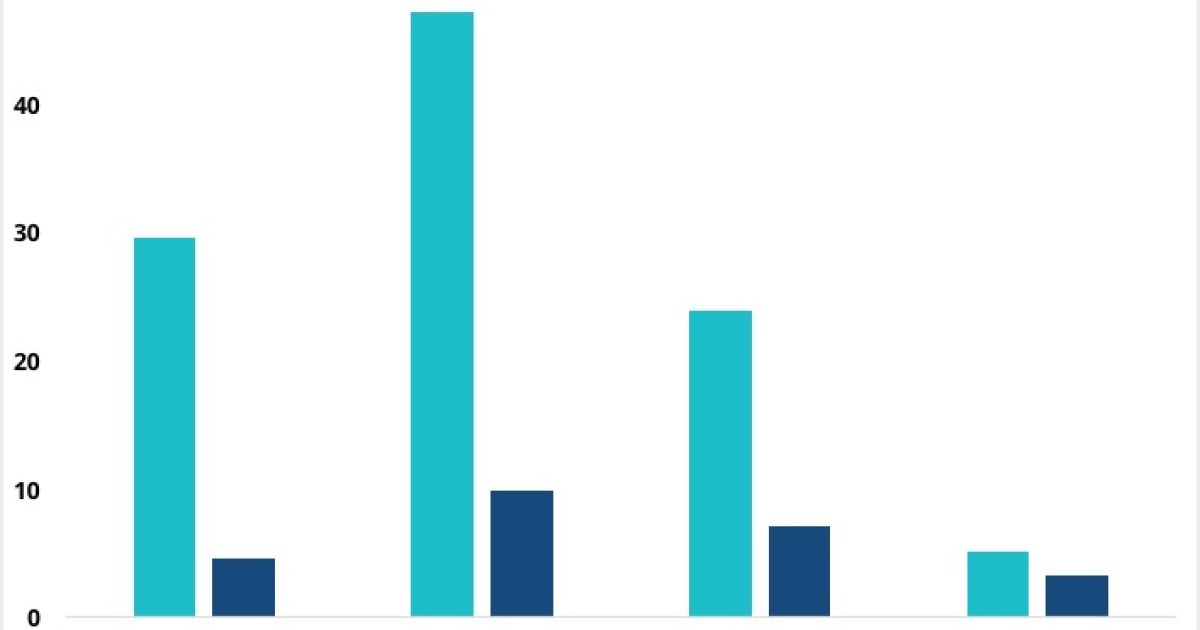
Where do black teenagers and white middle-agers get busted for drugs at equal rates?
In Los Angeles, huge declines in drug arrests of black teenagers and skyrocketing arrests of white middle-agers have led to an unimaginable new racial equality.
Publications Oct 16, 2014
New CJCJ report: Prop 47 could save counties millions, reduce jail populations
CJCJ brief estimates the potential county-level savings and jail population reductions that could result from implementing Prop 47.
Oct 16, 2014
CJCJ in the news: After California decriminalized marijuana, teen arrest, overdose and dropout rates fell
The Washington Post’s Wonkblog highlights CJCJ’s recent report on the impact of marijuana reforms.
Blog Oct 14, 2014
Scapegoating Means Scapegoating
Anti-rape campaigns from the White House to Sacramento blame students for a society-wide problem and ignore crucial lessons from young people’s promising trends.
Oct 10, 2014
CJCJ in the news: California Prison Guards Sit Out Debate On Letting Non-Violent Prisoners Go Free
CJCJ Executive Director Dan Macallair on the prison guard union’s relative silence on criminal justice reforms.

A tour of Stanislaus Juvenile Correctional Facility provides an example of previous SB 81 spending and highlights some important considerations for the next round of funding over the coming months.
Oct 2, 2014
CJCJ in the news: Marijuana legalization doesn’t solve racial disparities in the criminal justice system
Vox highlights a recent CJCJ report on the impact of marijuana policy reform.
Publications Sep 30, 2014
September news from CJCJ
September news: Gov. Brown signs bills that may reduce incarceration in California; New CJCJ report analyzes impact of marijuana reform; Proposition 47 could generate significant cost savings for counties; Volunteers needed for new Cameo House playroom
Blog Sep 30, 2014
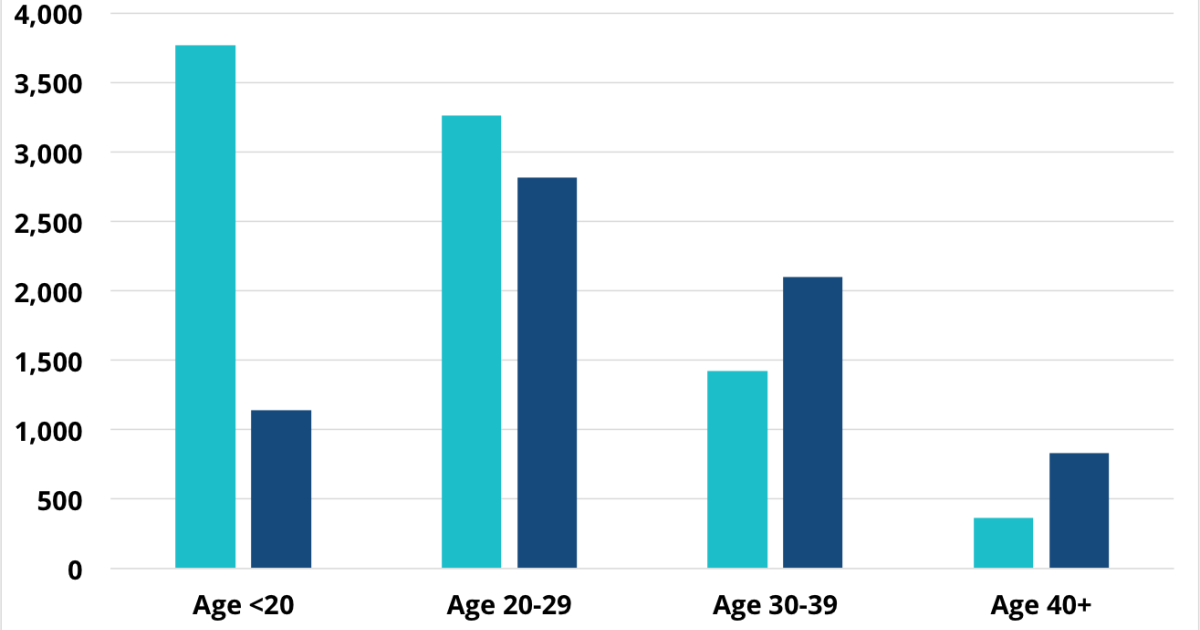
California teenagers: No longer “crime prone”
California’s revolutionary plunge in youth crime and rise in older-age crime threaten established interests still feeding on fear of youth.
Publications Sep 25, 2014
Proposition 47: Estimating Local Savings and Jail Population Reductions, Summary
Proposition 47, the Safe Neighborhoods and Schools Act of 2014, could generate costs savings for three counties between $135 million and $236 million.
Publications Sep 24, 2014
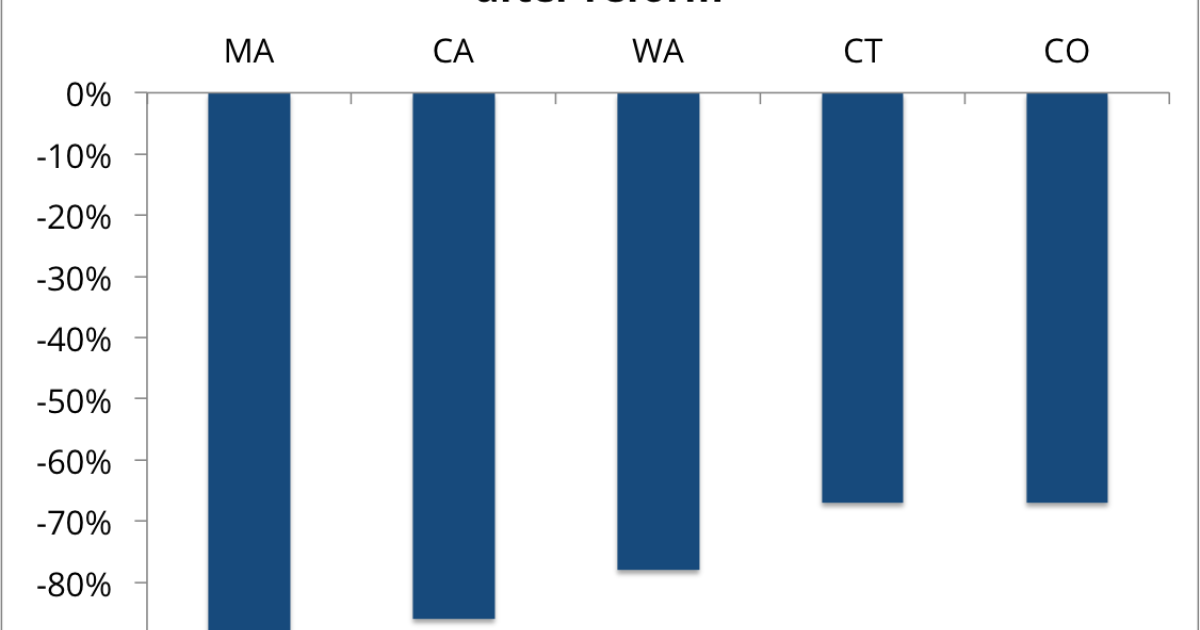
Reforming marijuana laws: Which approach best reduces the harms of criminalization?
A new CJCJ report shows marijuana decriminalization across all ages could result in more harm reduction than 21-and-older legalization.

A long-overdue report lays bare the egregious racial disparities that pervade the juvenile justice system, and falls short of providing crucial data on youth transferred to adult court.