Blog Dec 1, 2014
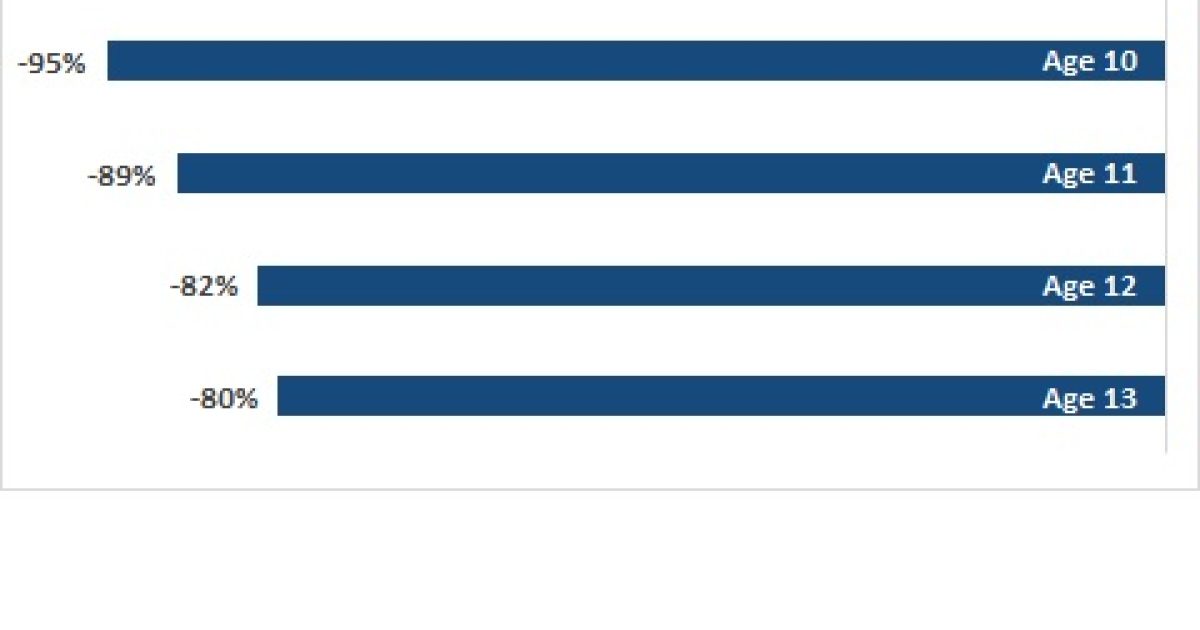
Preteen crime is disappearing from California
Arrests of Californians under age 12 fell by a staggering 93 percent over the last 30 years — and no one seems to have noticed.
Blog Nov 27, 2014
Ferguson Redux: The Fire This Time
The fates of Michael Brown and Eric Garner were not isolated incidents. Indeed, they represent the entire country and the near apartheid-conditions that exist in this so-called “post-racial America.”
Publications Nov 26, 2014
November news from CJCJ
Cameo House’s new alternative sentencing program opens its doors; CJCJ releases new resource to help people get a fresh start; After Proposition 47: Following the Money
Blog Nov 25, 2014
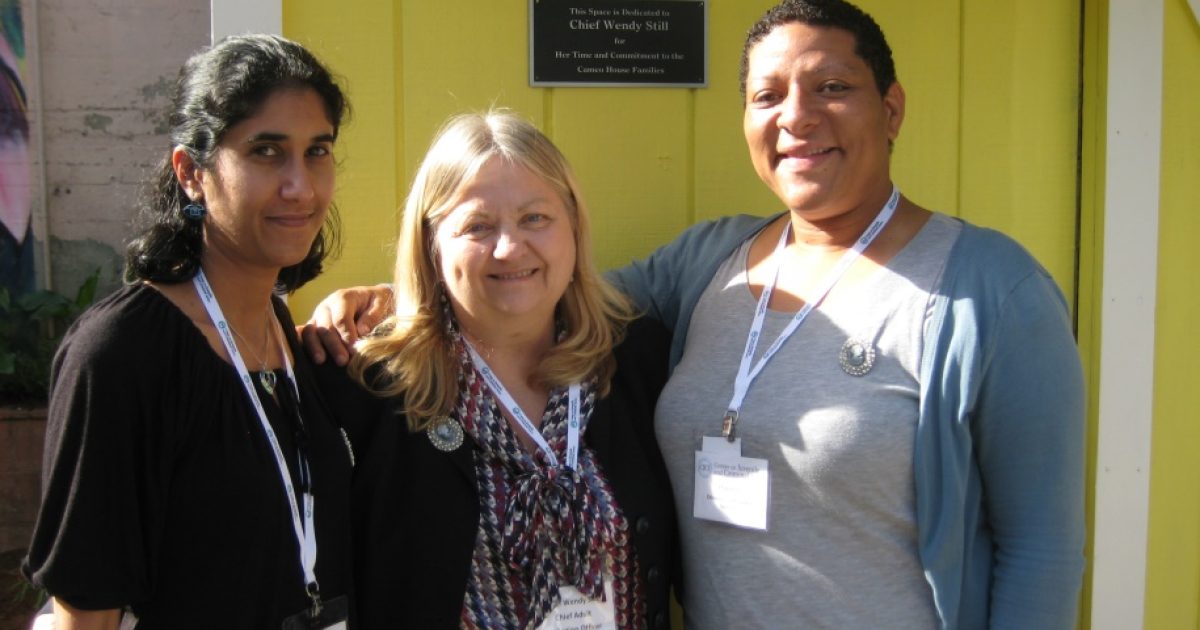
Cameo House: A Partnership to Help Mothers Succeed
In partnership with the San Francisco Adult Probation Department, CJCJ’s Cameo House now serves as an alternative sentencing program for pregnant and parenting women in San Francisco County.

CJCJ, with generous support from the Zellerbach Family Foundation, is thrilled to announce the launch of Seal It, a new resource to help people seal their juvenile records.
Blog Nov 18, 2014
After Proposition 47: Following the money
Two weeks ago, California voters ushered in a landmark opportunity to reduce the state’s over-reliance on incarceration. Now it’s up to advocates to make sure the savings get into the right hands.
Nov 10, 2014
CJCJ in the news: Juvenile arrests plunge by half
The Orange County Register highlights CJCJ’s research on youth crime trends.
FiveThirtyEight highlights CJCJ’s recent brief estimating the county-level impact of Proposition 47.
Blog Nov 6, 2014
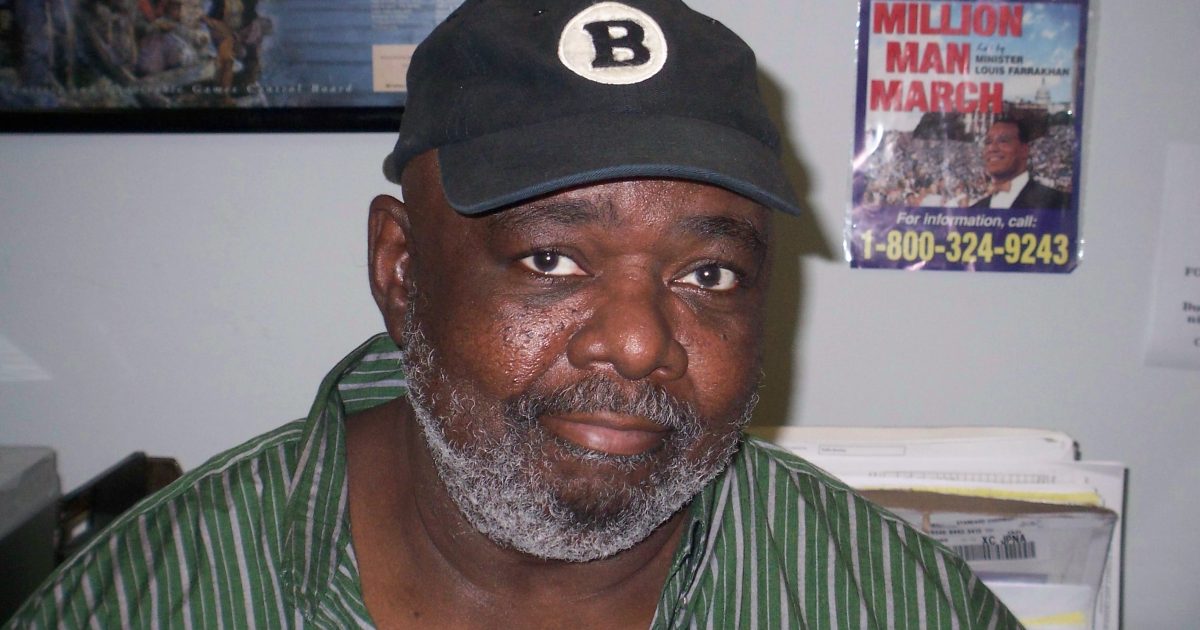
In memory of Roland Carey, former CJCJ director
Independent Living Program provided support and housing for young people.

Blog Nov 4, 2014
Felony Disenfranchisement on Election Day
Election Day is an annual reminder on the importance of civic engagement. Unfortunately, an alarming number of Americans do not have the option to vote because of their involvement in the criminal justice system.
Publications Oct 31, 2014
October news from CJCJ
October news: In memory of Roland Carey, director of youth housing program; Proposition 47 could generate significant cost savings for counties; For SF’s formerly incarcerated, job opportunities in city beautification
Blog Oct 28, 2014
The Sixties Have Returned in Ferguson
The continuing protests in Missouri show that racial segregation in the US is just as problematic as it was in the ’60s.