Blog Jun 26, 2014
Public Involvement in Politics Does Matter
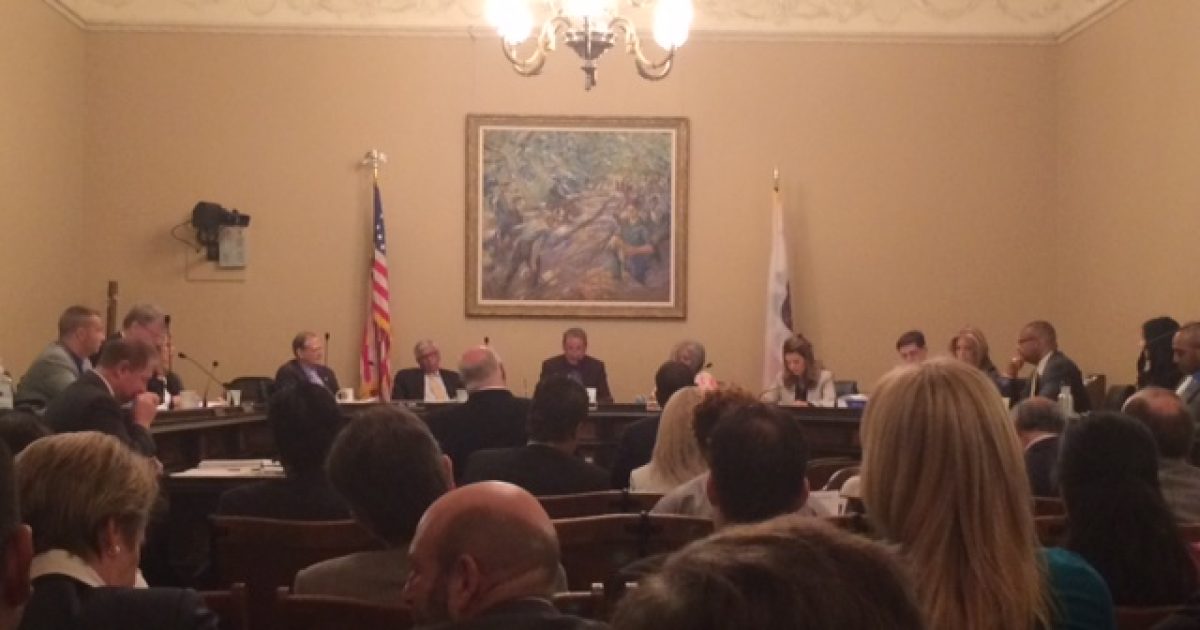
CJCJ Post-Graduate Fellow Courtney Lam reflects on last week’s Assembly Public Safety Committee in Sacramento.
CJCJ operates the LEAP program in partnership with the San Francisco Public Defender’s Office to help young people obtain educational success.
Under pressure from CJCJ and other youth advocates, controversial bill removes “mandatory minimum sentencing” provision.
Blog Jun 24, 2014
Debtor’s Prisons, Part II
Senior Research Fellow explores the concept of the debtor’s prison in this CJCJ blog.
SB 838 would create mandatory minimums for youth in the justice justice system. CJCJ’s Lizzie Buchen explains this is a “step backward.”
Blog Jun 19, 2014
An American Gun Death Every 16 Minutes in 2011
Senior Research Fellow Mike Males: But no one likes to talk about who’s dying from guns, or how.
Jun 18, 2014
CJCJ in the news: Talk 910 KKSF AM with Gil Gross
Lizzie Buchen, CJCJ’s Communications and Policy Analyst, is featured on the Gil Gross show to discuss the negative impact of mandatory minimums on California’s youth.

Blog Jun 17, 2014
Remembering John Vasconcellos
With the death of former State Senator John Vasconcellos on May 29, the California criminal justice reform community lost one of its great champions. Vasco, as he was affectionately known, was one of those rare elected officials whose commitment to justice never wavered.
CJCJ’s Lizzie Buchen highlights the negative impact mandatory minimums would have on California’s youth in the San Jose Mercury News.
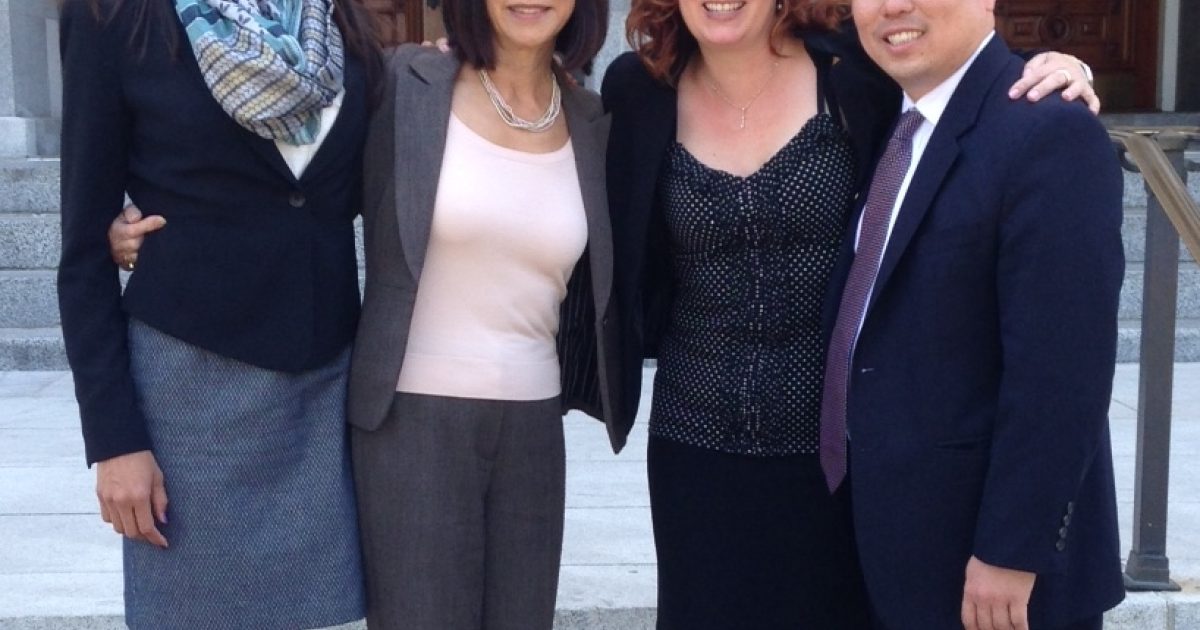
CJCJ Board member Patti Lee, of San Francisco’s Public Defender’s Office, says establishing mandatory minimums for California’s youth is a “grave mistake.”
Jun 17, 2014
CJCJ in the news: Bay Area mother of teen suicide victim urges passage of tough new law on juvenile sex offenders
CJCJ’s Lizzie Buchen discusses the negative impact of mandatory minimums for youth in the Contra Costa Times.
CJCJ’s Lizzie Buchen comments on the dangers of SB 838, which would establish the first mandatory minimum sentence in California’s juvenile justice system.