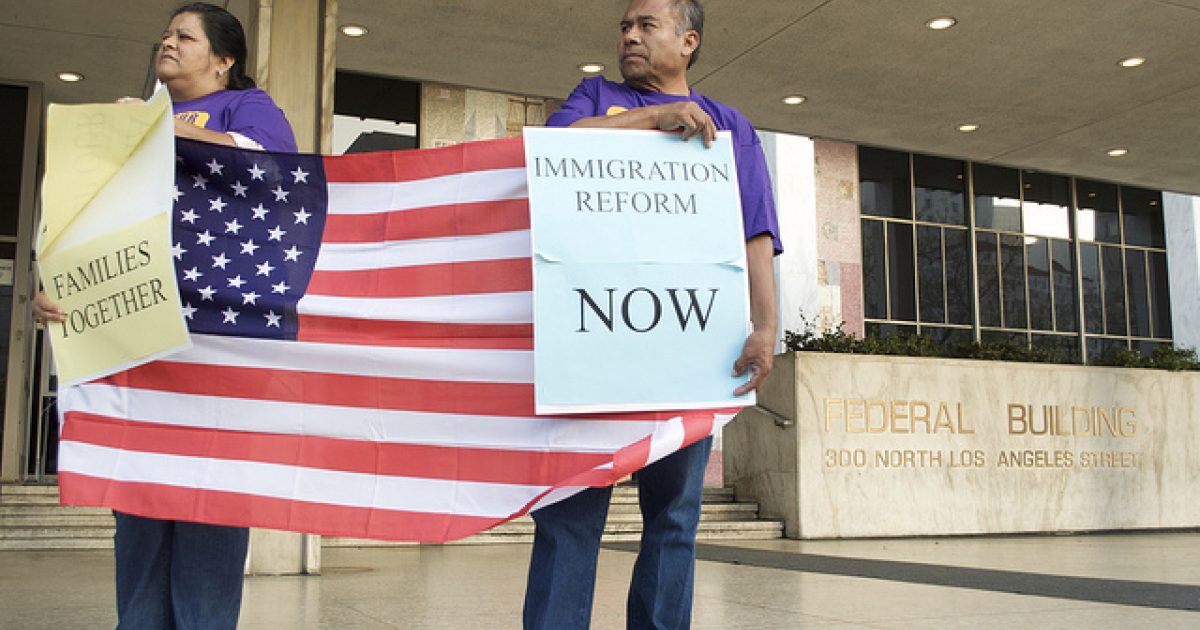
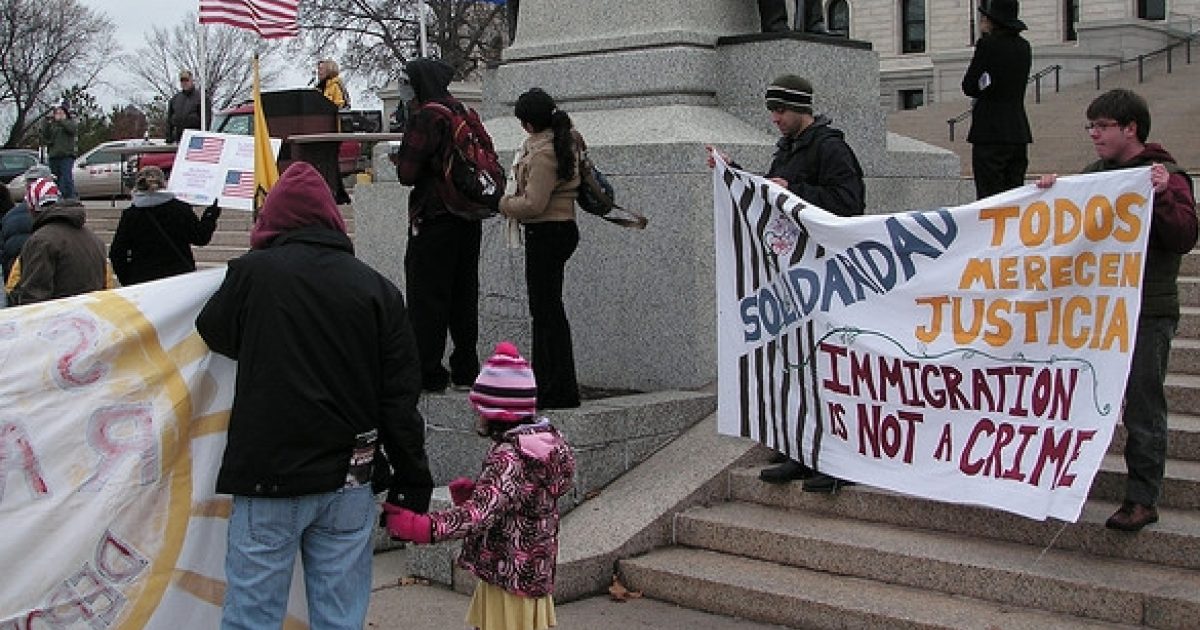
According to a new CJCJ report, California’s counties have spent significant resources and jail capacity, often at their own expense, to detain suspected undocumented immigrants who do not have a reported criminal history. Yet if this population is notably law-abiding, why are so many of them in our local jails?
Publications Aug 5, 2013
Detention of non-criminal individuals has impact on post-Realignment California
CJCJ releases report examining the large number of suspected undocumented immigrants, without a criminal history, who are detained in California’s local jails on non-mandatory holds.
A new report from the Center for Juvenile and Criminal Justice suggests California jails could alleviate overcrowding by refusing to detain non-criminals accused of immigration violations.
While the enactment of the Affordable Care Act (ACA) is an exciting step in our society’s health care reform, its exclusion of undocumented immigrants will only further highlight the disparities that this population faces and induce a chain reaction of increased health care costs for all Americans.
This month CJCJ began providing mentoring services to youth in detention, and staff visited innovative post-Realignment programs in San Francisco and published an op-ed on SB 260.
Local model practices exist throughout the nation and there is substantial empirical research available to interested parties who seek to re-think their approach to juvenile and criminal justice. Justice leaders do not need to reinvent the wheel, but learn from others who have boldly risked a different approach within their local jurisdiction.
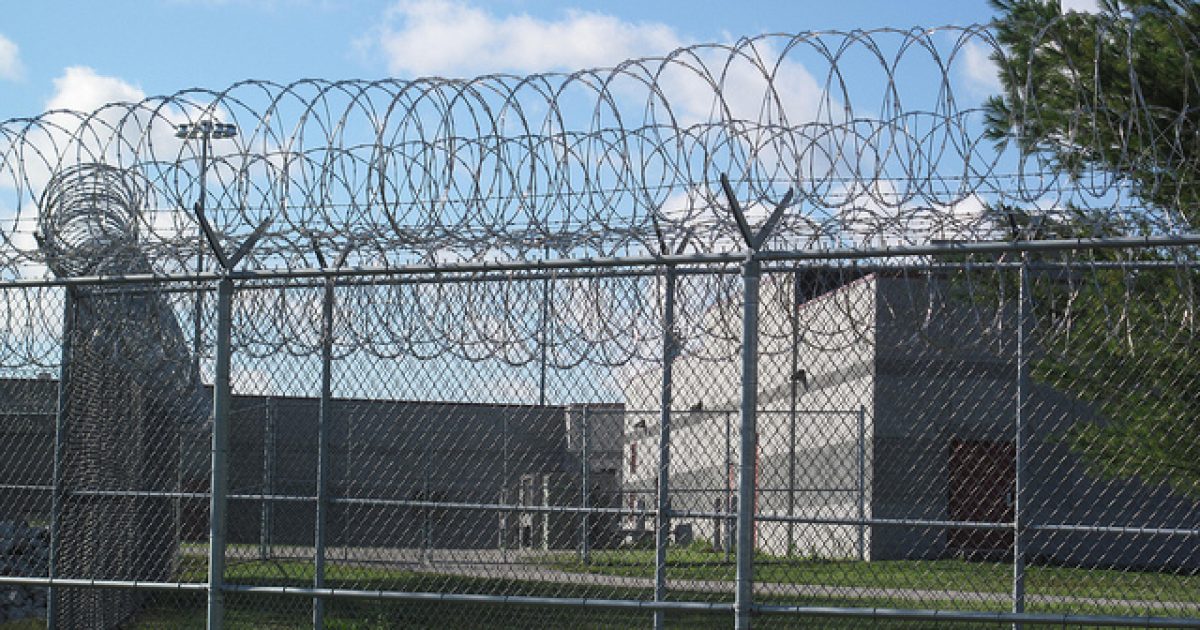
A new original series, Orange is the New Black, has received attention because the show provides a powerful look at our criminal justice system and life in prison. Hopefully this can facilitate a larger conversation about the state of American criminal justice.
More than 2,500 Californians are serving life sentences in prison for crimes they committed when they were younger than 18. At San Quentin, it is all too common to come across young men serving 35 or 40 years-to-life for crimes they committed before they were old enough to drive — meaning they would be in their 50s before their first parole hearings.
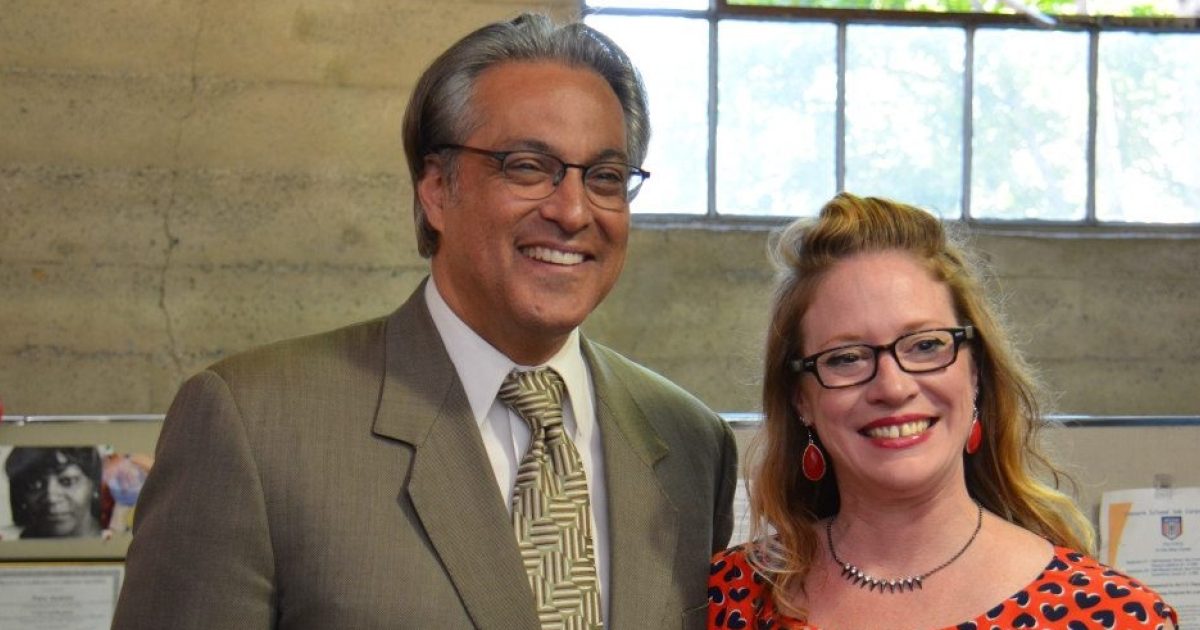
San Francisco’s unique reentry pod in Jail #2 serves men returning from state prison, prior to and during their release into the community.
“Youth crime in California is at a 40-year low. Looking at the statistics you could argue this is the best-behaved generation on record. Now why that is, we don’t know,” said Daniel Macallair
Blog Jul 18, 2013
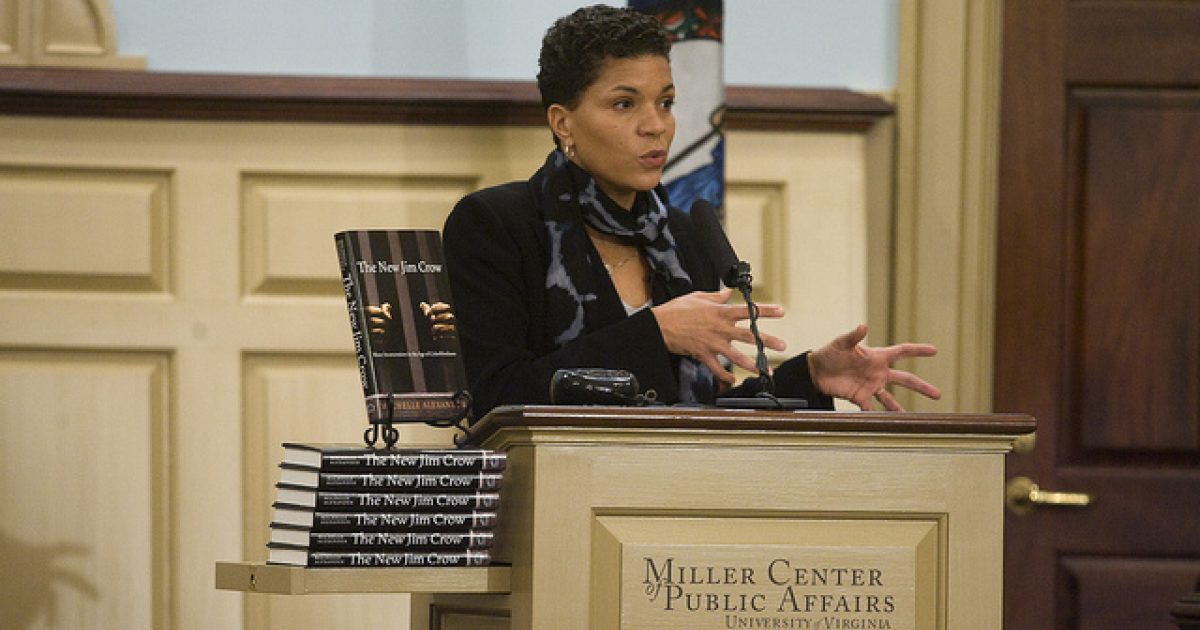
The Color-Line in American Criminal Justice
W.E.B. Du Bois famously declared in his 1903 work, On the Souls of Black Folk, “for the problem of the Twentieth Century is the problem of the color-line”. Issues of race remain highly relevant today for all Americans; even if takes the death of an unarmed African American teenager to remind us of this fact. W.E.B. Du Bois famously declared in his 1903 work, On the Souls of Black Folk, “for the problem of the Twentieth Century is the problem of the color-line”. Issues of race remain highly relevant today for all Americans; even if takes the death of an unarmed African American teenager to remind us of this fact.
Realignment has elevated concern regarding the intersection of the bail industry and California’s un-sentenced jail population. Many advocates have expressed concern that a significant number of this un-sentenced population remains confined to local county jails solely due to their inability to meet the monetary obligations of their set bail. The concerns of a diverse group of stakeholders lead the Little Hoover Commission to examine the issue in late 2012.