Jul 16, 2013
Job Posting: Part-Time Accounting Assistant
CJCJ is hiring a Part-Time Accounting Assistant!
Blog Jul 11, 2013
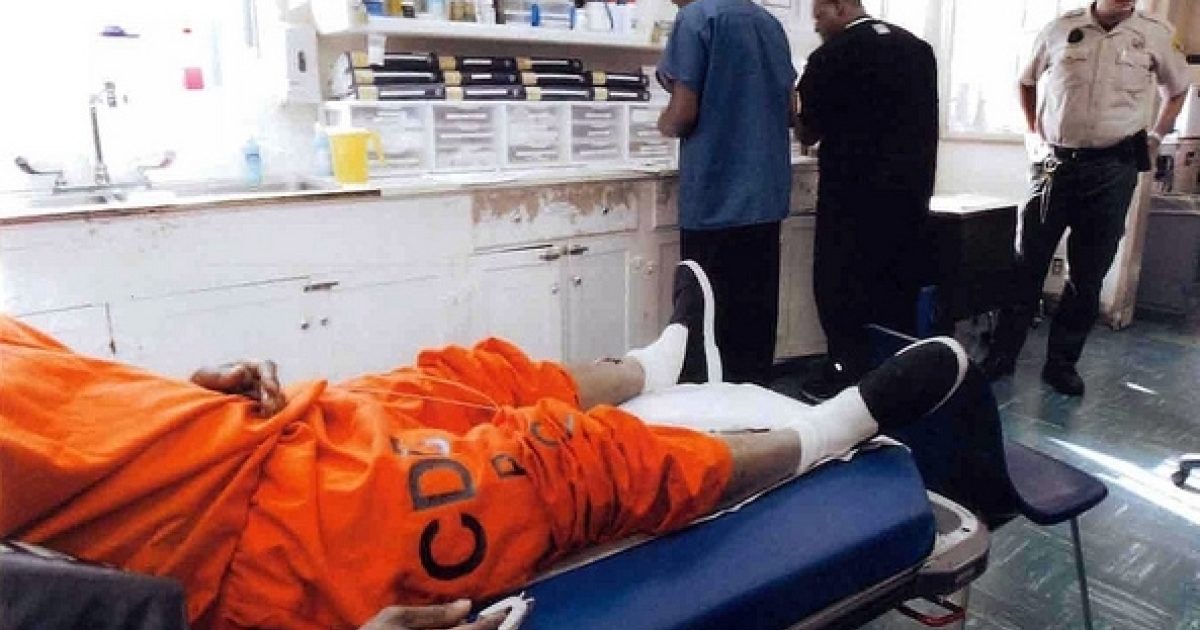
Hope for a healthier criminal justice system
With the implementation of the United States’ first national health care system quickly approaching , the Affodable Care Act’s effects will soon be seen throughout the country.
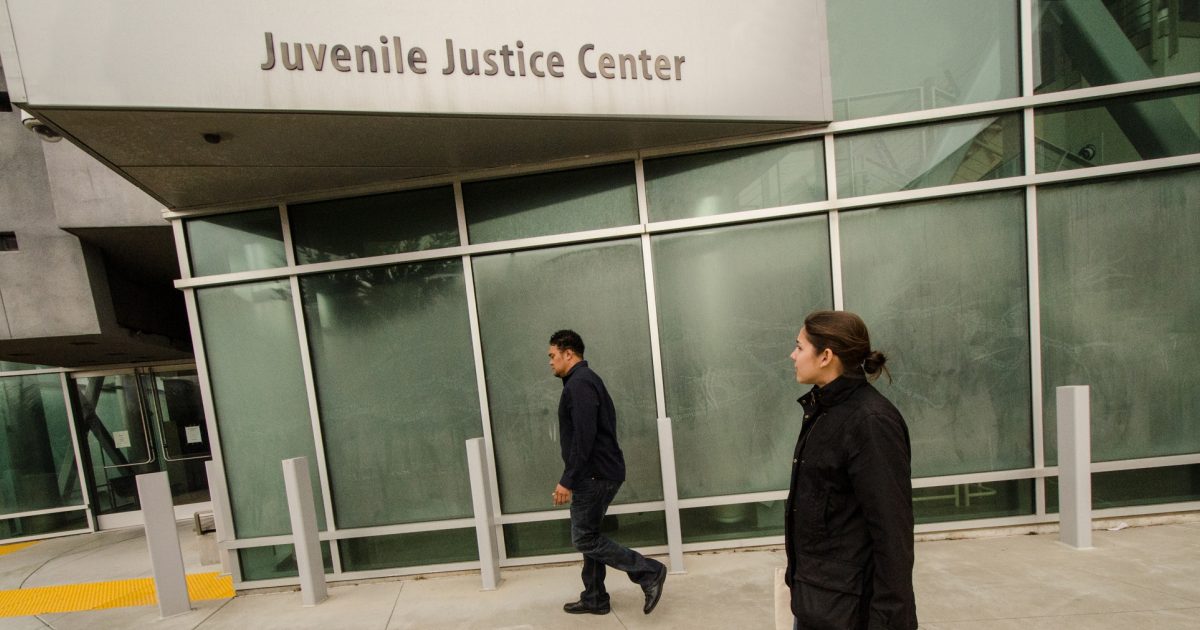
San Francisco’s Department of Children, Youth and their Families (DCYF) collaborates with local organizations to improve the lives of youth and their families.
Blog Jul 2, 2013
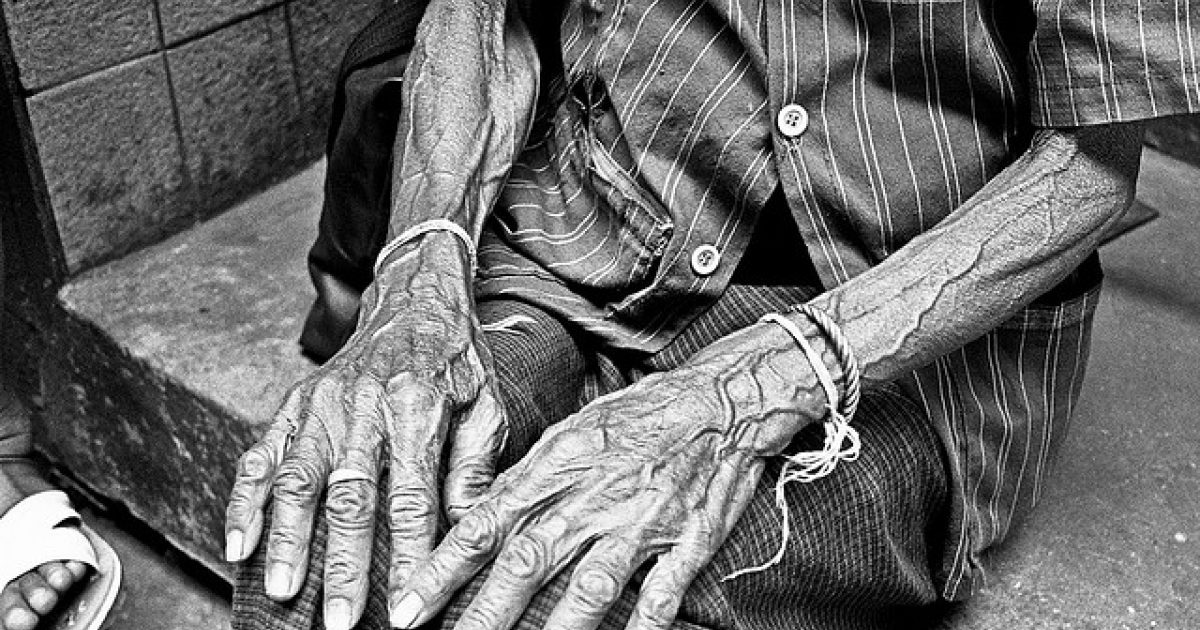
A Closer Look at the Aging Prison Population
The number of aging state and federal inmates is rising. Between 1981 and 2010, the number of inmates age 55 and older increased from 8,853 to 124,900.
CJCJ uses its expertise to educate the public on national and global criminal justice issues.

Despite their given benefits, what could explain California’s disparity in split sentencing and how can counties work to increase their use?
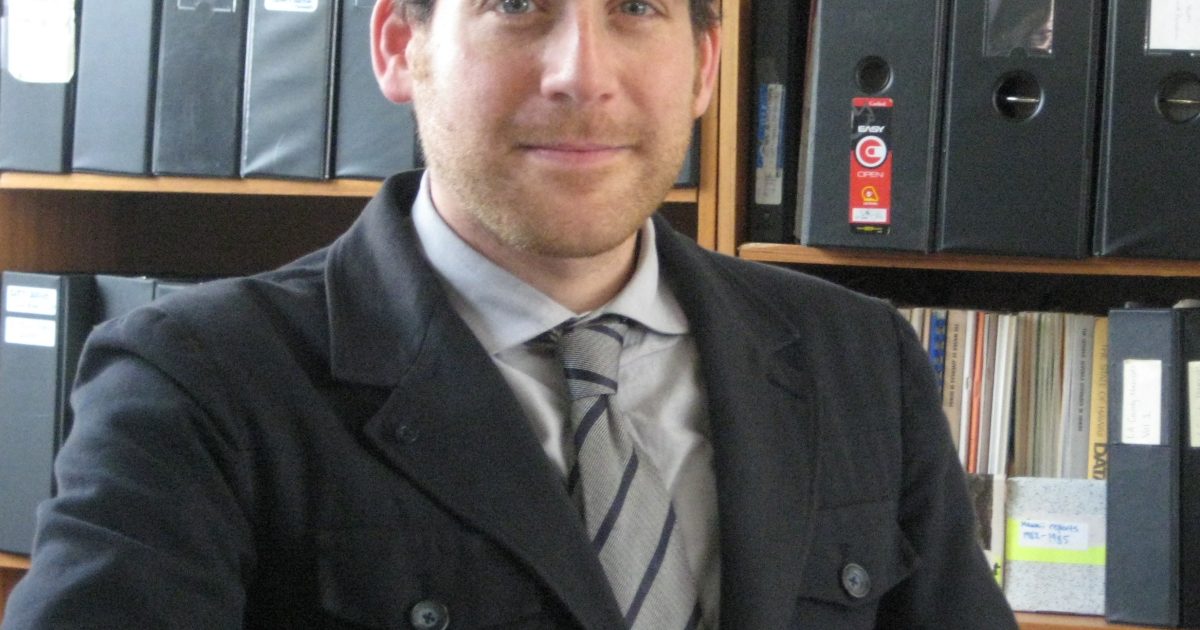
CJCJ’s Policy Analyst, Brian Goldstein, is featured in the Juvenile Justice Information Exchange (JJIE) discussing the reform efforts that have happened among policymakers and advocacy groups after the Sandy Hook tragedy. Concerns are presented with regard to the the potential over reliance on the juvenile justice system to address issues in the educational environment.
Blog Jun 25, 2013
Innovation in a Land of Justice by Geography
In an era of Realignment a model program is born, San Francisco’s Adult Probation Department in partnership with a variety of community-based organizations celebrates the opening of the new Community Assessment and Service Center (CASC).
Jun 21, 2013
Susan Sarandon: Colorado Was Just the Beginning
Actress Susan Sarandon supports the legalization and regulation of marijuana and asks others to do the same.

SB 649, authored by State Senator Mark Leno, pursues a similar approach to Realignment by recognizing that people convicted of simple drug possession, as well as the overall community, will not benefit from austere penalties. Rather, these individuals would benefit greatly from sentences that expand access to rehabilitation, which can be better provided through this bill.

Jun 19, 2013
Línea Abierta : REALINEACION: ¿BENEFICIO O PLAGA?
CJCJ’s NoVA case manager, José Luis Gómez, participates in an interview with Radio Bilingüe in which he emphasizes that Realignment is not just about reducing the overall prison population or moving incarcerated people from a state to local level; Rather, José asserts, AB 109 should be primarily implemented by counties to provide an array of services for justice-involved individuals so that they can improve their lives, reduce recidivism, and ultimately promote overall public health and safety. José
Blog Jun 18, 2013
Nigeria’s evolving juvenile justice system
An article by Iyabode Ogunniran discussing the evolution of juvenile justice in Nigeria was released in the Spring 2013 edition of the Justice Policy Journal today.