
Blog Mar 29, 2016
California Must Reform Its Gang Sentencing Laws
Sentencing enhancements intended to deter gang activity are overly punitive, conflict with the juvenile justice system’s mission, and have a disproportionate impact on young people of color.
Assem. Jim Patterson seeks to amend Prop. 47 based on claims that it increased crime. KFPA interviews Mike Males about CJCJ’s new report finding no definitive correlation between Prop. 47 and crime.

The California Assembly Committee questions the need for an additional $250 Million in local adult facility construction funding.
Mar 22, 2016
CJCJ in the news: Weed Legalization Can’t Seem to Fix One Thing: Racial Gaps in Drug Arrests
Mic picks up data analysis from CJCJ’s Mike Males showing a continued racial disparity in marijuana-related arrests, even in legalization states.
High Times looks at various reports, including data from CJCJ’s Mike Males, finding racial disparities for marijuana-related arrests in legalization states.
Mar 22, 2016
CJCJ in the news: Black People Twice As Likely To Be Arrested For Pot In Colorado And Washington — Where It’s Legal
Think Progress covers Mike Males’s data findings that racial disparities in marijuana-related arrests still exist in legalization states.
Mar 21, 2016
CJCJ in the news: Pot legalization hasn’t done anything to shrink the racial gap in drug arrests
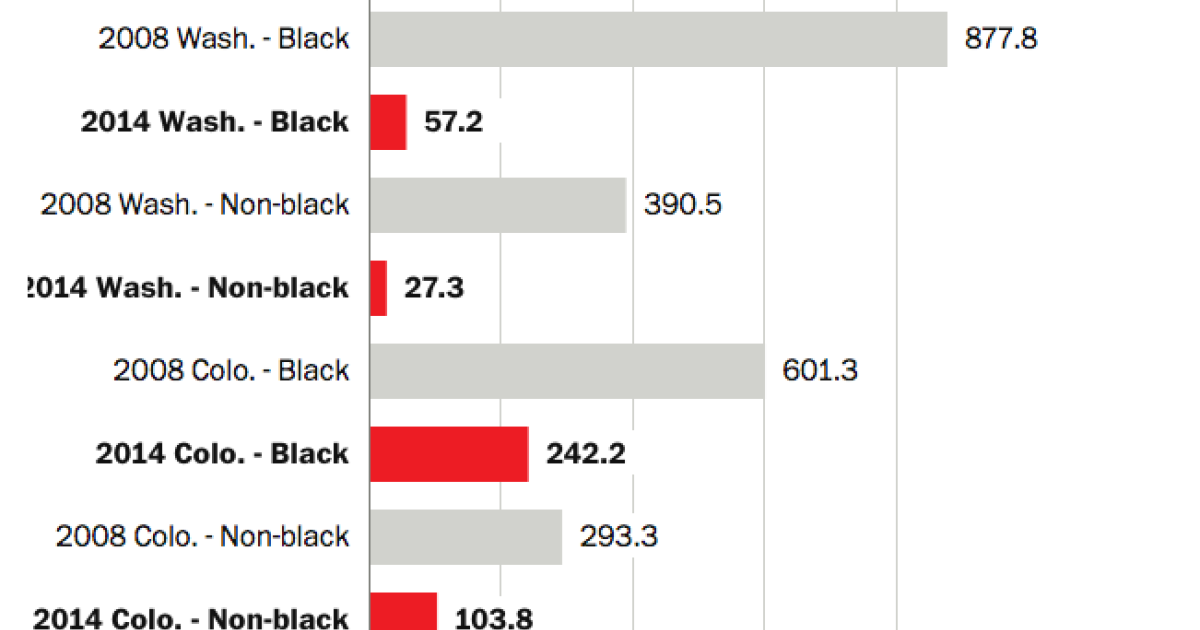
The Washington Post reviews findings by CJCJ’s Mike Males which show that, despite the huge drops in marijuana-related arrests in both Washington and Colorado, the pot arrest rate for African-Americans was more than double that of non-African Americans.
Publications Mar 17, 2016
CJCJ in the news: Analysis Disputes Argument that CA’s Proposition 47 Led To Crime Rise
The Crime Report highlights CJCJ’s new report analyzing Prop. 47’s impact on crime.
CJCJ in the News Mar 17, 2016
CJCJ in the news: The Davis Vanguard highlights CJCJ’s Prop. 47 report
The Davis Vanguard reviews CJCJ’s new Prop. 47 report analyzing the initiatives effect on crime.

CJCJ Executive Director Daniel Macallair writes an op-ed in the Juvenile Justice Information Exchange (JJIE) on how California’s plummeting youth crime rates creates an opportunity for more substantive reform
Publications Mar 15, 2016
New Report! Is Proposition 47 to Blame for California’s 2015 Increase in Urban Crime?
A new CJCJ report by Mike Males finds no obvious effects associated with Prop. 47 that would be expected if the reform measure had produced a consistent impact on crime.

Mike Males writes an op-ed for the Los Angeles Times showing that the implementation of these “protective” laws actually disrupt positive youth trends.