Houston’s Forward Times cites a CJCJ report showing the many different ways African American youth are disproportionately represented in both the juvenile and criminal justice systems nationwide.
Blog Jan 12, 2016
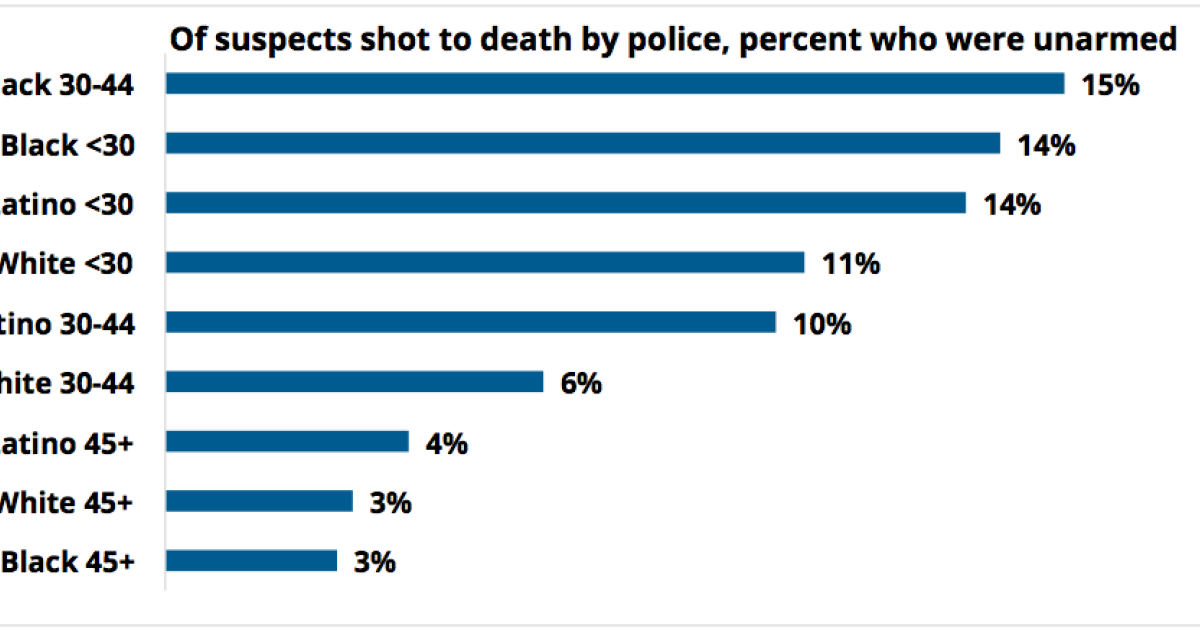
Another Dimension to “Black Lives Matter”
When it comes to police shooting unarmed suspects, white lives and older lives appear to matter more than Black, Latino, and young lives.

Jan 11, 2016
KQED Forum Interviews Daniel Macallair
KQED Forum’s Michael Montgomery talks with CJCJ executive director, Daniel Macallair, about his new book, the history of youth corrections in California, and the lessons to be learned from the past.

$250 million for adult facility construction funding and increased funding to DJJ, but only $29.3 million in Prop. 47 savings?
The National Journal highlights a CJCJ report on San Francisco’s disproportionate arrest rates of African-American women.
Reuters quotes CJCJ’s Executive Director, Daniel Macallair, on why the costs of incarceration are increasing in California, despite the declining prison population.
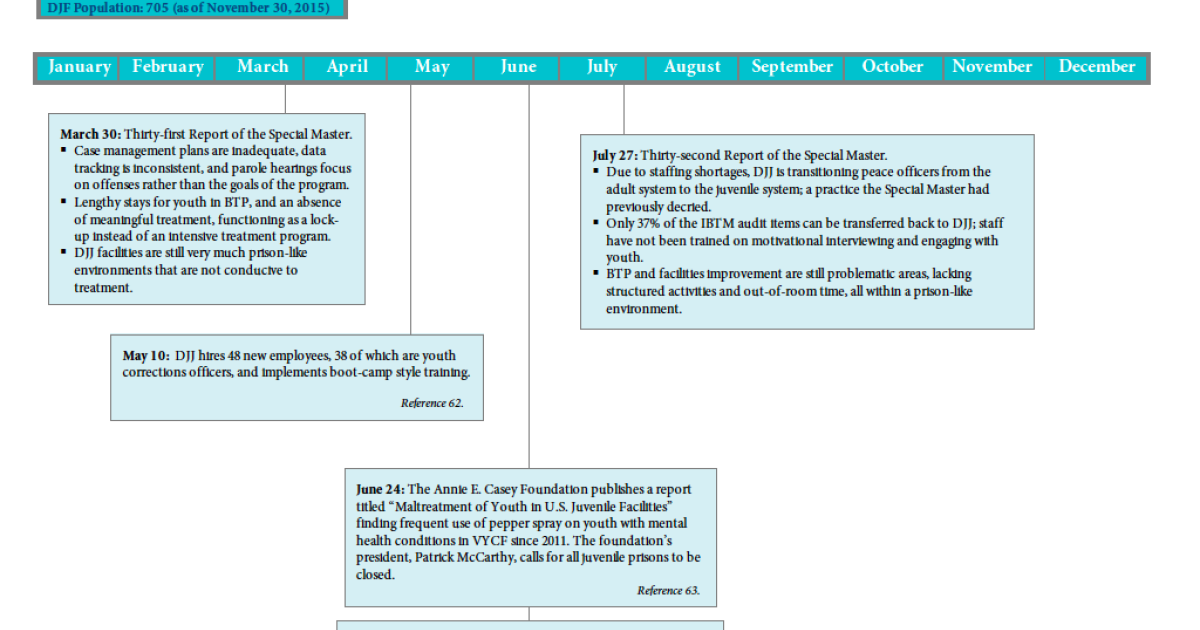
CJCJ has updated it’s Farrell Litigation Timeline to include relevant events from 2013 — 2015.

Dec 31, 2016
Happy New Year from CJCJ!
In this issue: CJCJ partnership creates a new resource for youth; After 30 years in prison, CJCJ client is balancing college and work; Direct service programs receive gifts and donations for families.
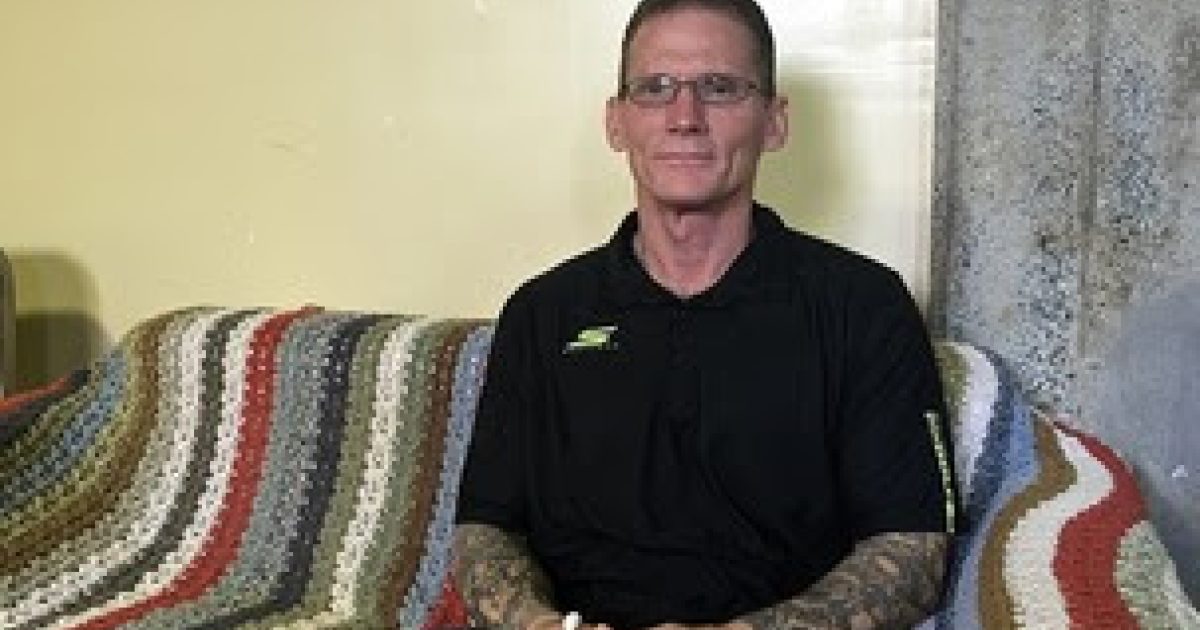
After completing job training with CJCJ’s San Francisco Training Partnership (SFTP) program, Jim is working towards his bachelor’s degree.

Blog Dec 22, 2015
Ignoring Poverty In Plain Sight
Recently Mike Males reported what has been obvious for more than a century: class and race predict just about everything related to crime. Poverty in particular is of critical importance.
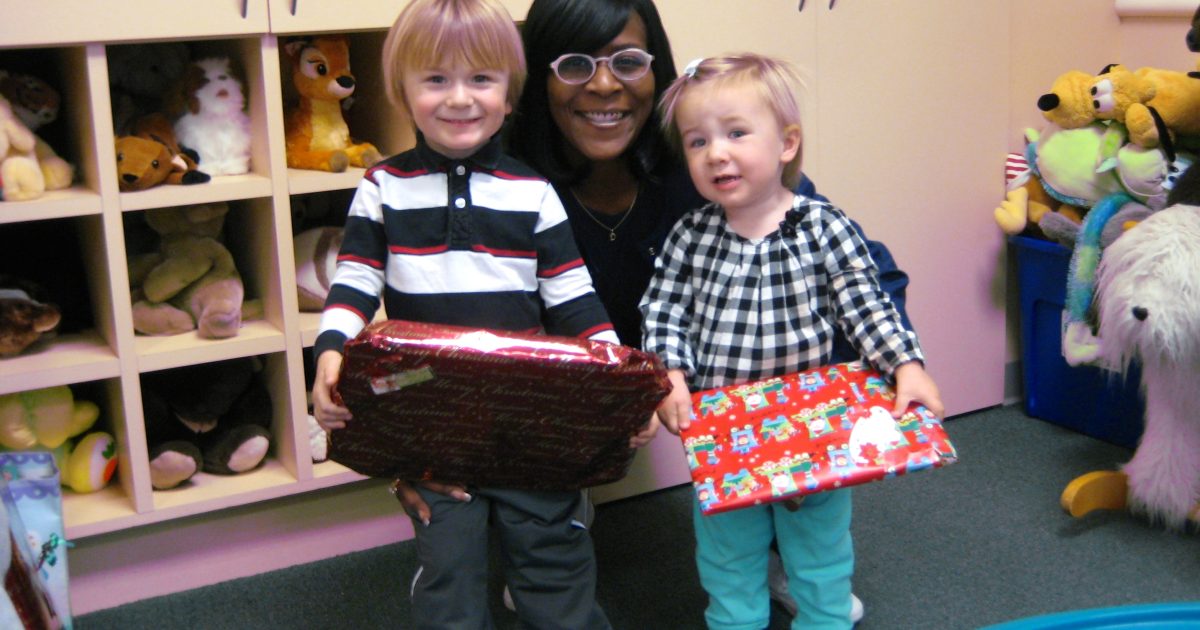
CJCJ’s Children’s Waiting Rooms provide a safe and fun environment for children while their parents tend to court business. Donate toys and games to the waiting rooms to help children learn and play.
Dec 18, 2015
CJCJ in the news: Study Finds People With Mental Illness 16 Times More Likely To Be Killed By Police
Blue Nation Review links a CJCJ article showing high police murder rates of Native Americans to high rates of mental suffering among Native Americans.