Voice of America highlights Mike Males’s finding that Native Americans are disparately likely to be killed by law enforcement.
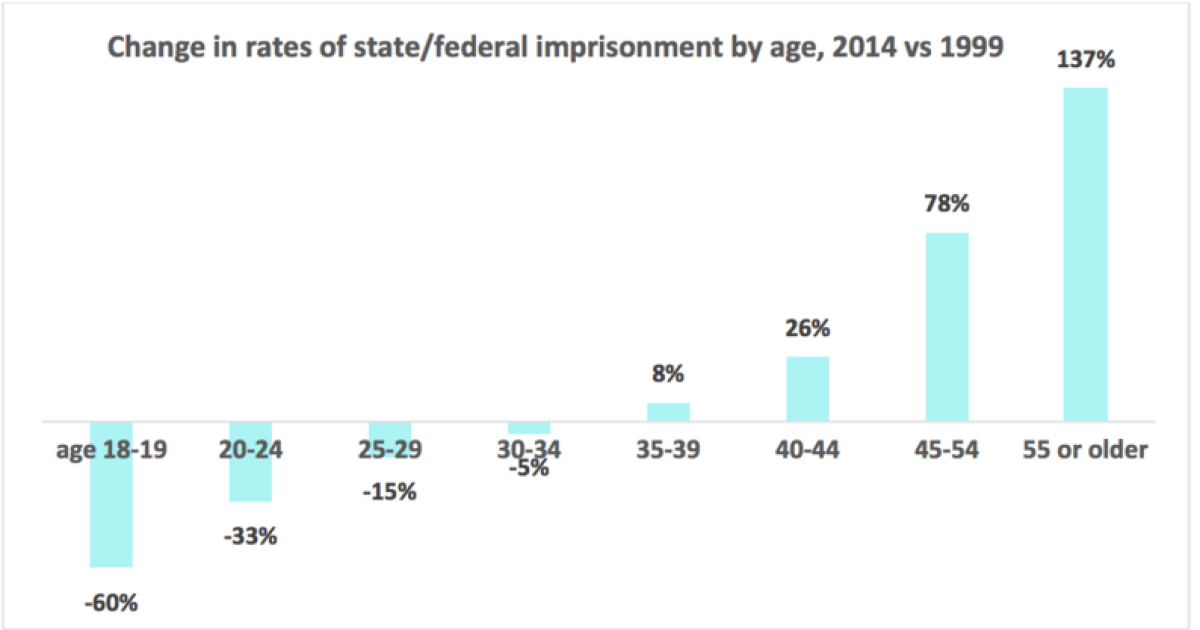
In article written for the Washington Monthly, CJCJ’s Mike Males points out major changes in crime trends and asks why they are being ignored by criminal justice interest groups.
Mother Jones focuses on Mike Males research regarding the detrimental effects of childhood lead poisoning on crime trends.

Newly proposed legislation would preserve access to in-person visitation, strengthen juvenile data collection, and involve law enforcement officers in diversion.
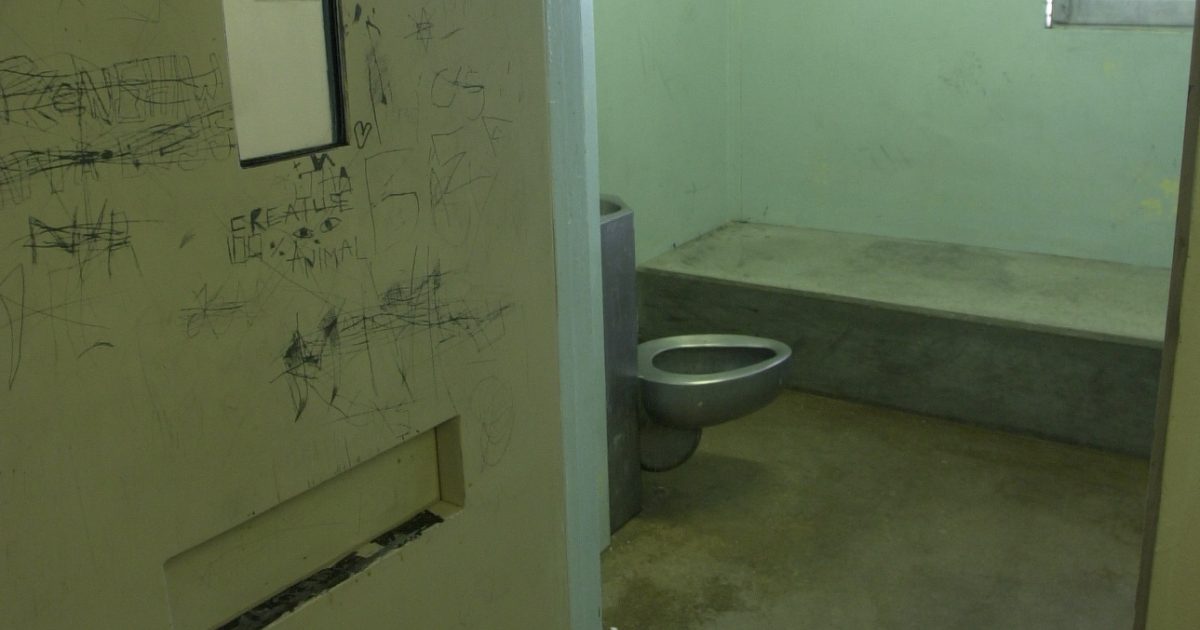
After the 2002 lawsuit against DJJ was dismissed on February 25, 2016, CJCJ urges youth California to avoid repeating mistakes of the past.
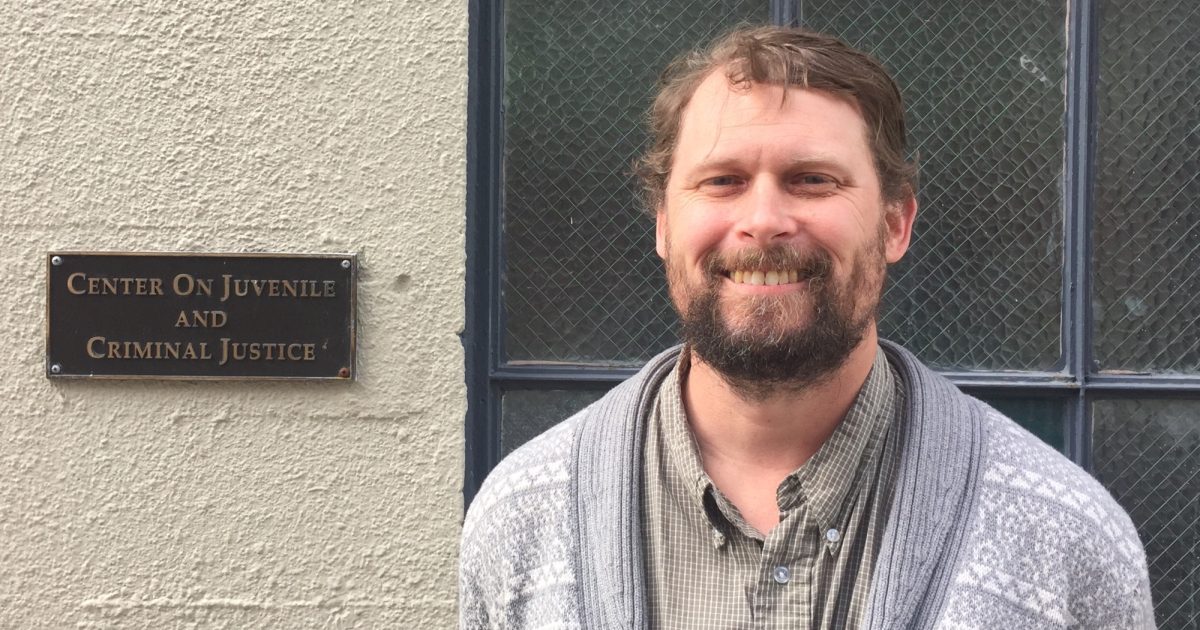
The San Francisco Training Partnership case manager highlights employment needs of formerly incarcerated people.
Feb 29, 2016
February News from CJCJ!
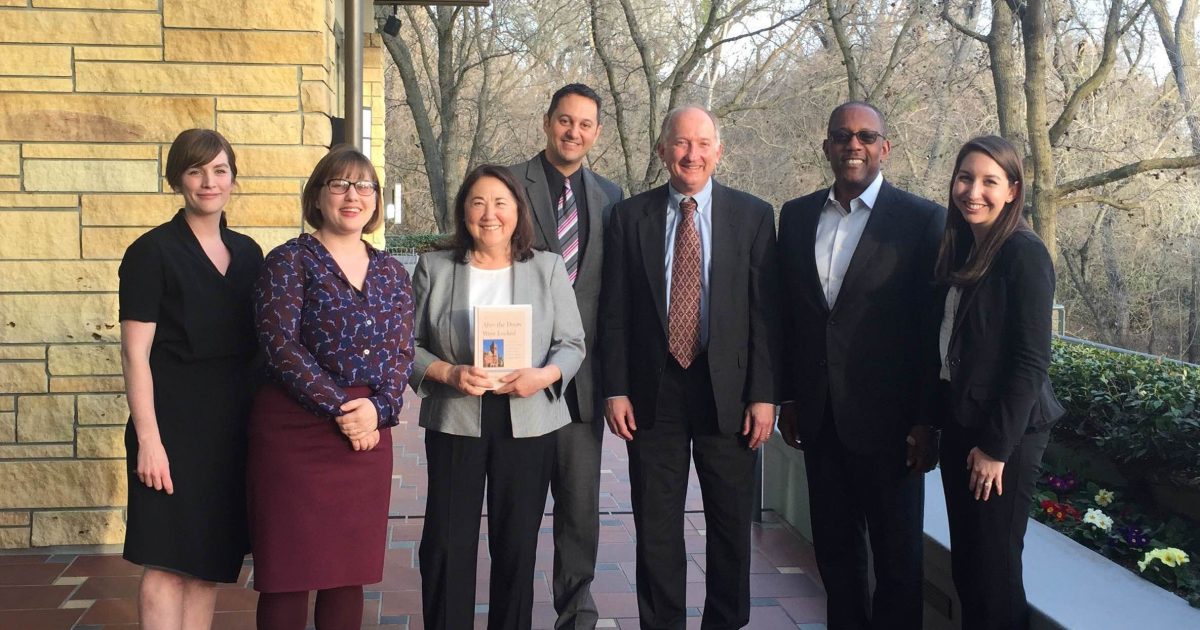
Sierra Health Foundation’s Speaker Series features Daniel Macallair; New CJCJ collaborative offers reentry services after federal prison; and Daily Journal interviews Daniel Macallair about the future of DJJ.
Feb 27, 2016
Closing California’s Division of Juvenile Facilities: An Analysis of County Institutional Capacity
A review of how juvenile justice realignment has mad closing DJF possible.
Blog Feb 23, 2016
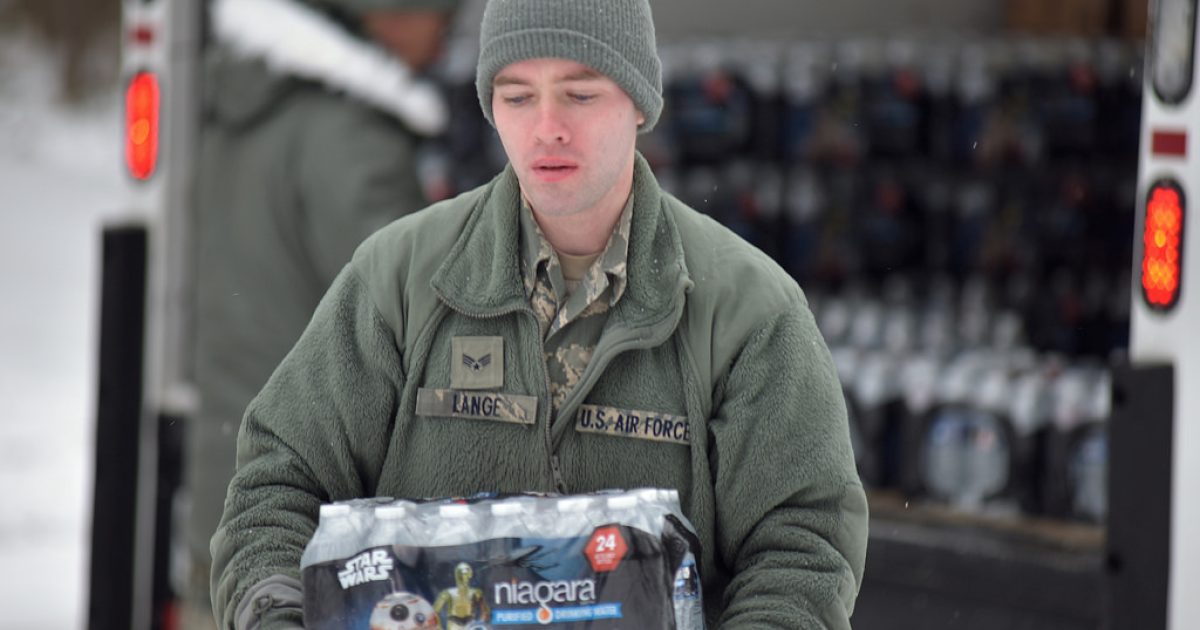
Let Them Eat Lead
The refrain of “black lives matter” has been ignored by most of the country’s leadership, but now particularly in Flint, Michigan, where the water crisis has made it very apparent that the lives of the city’s black children do not matter
Unofficial meeting minutes from the November 2015 BSCC meeting.
Blog Feb 16, 2016
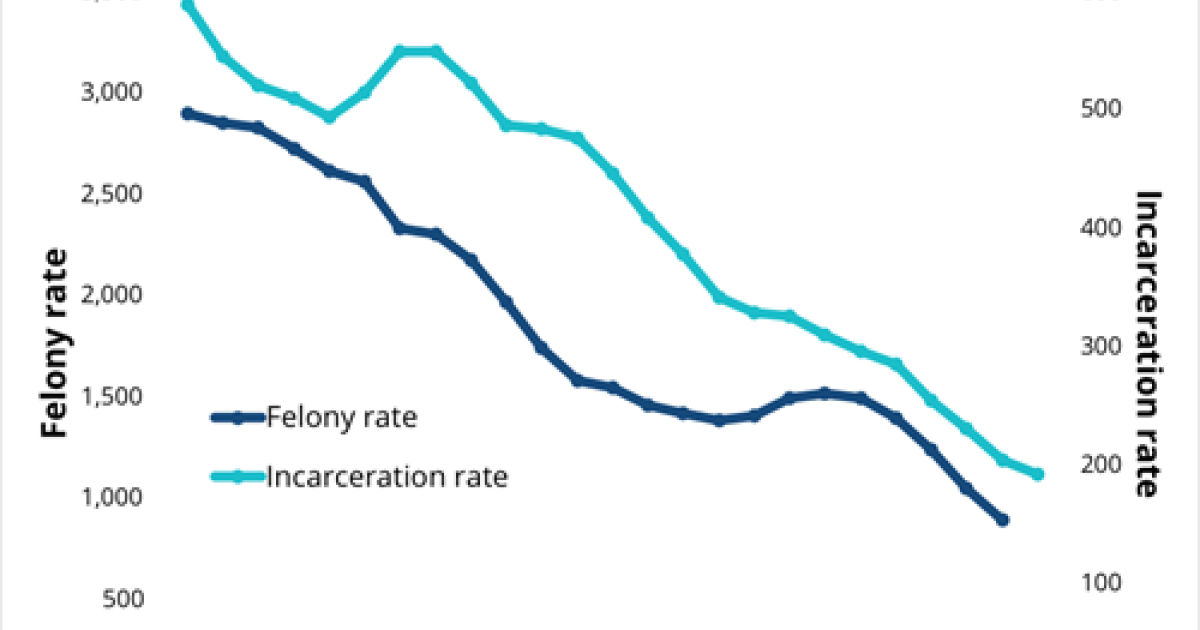
California Needs Data-driven Juvenile Justice
Data can tell a story. The absence of data and thoughtful analysis can do the same, by illustrating that the state is not adequately prioritizing juvenile justice.
Feb 12, 2016
CJCJ in the news: Marco Rubio and Hillary Clinton Accepted Almost the Same Amount of Prison Lobbyist Donations
The Huffington Post reports on Hillary Clinton and Marco Rubio receiving campaign contributions from private prison lobbies, and cites CJCJ statistics showing racial disparities in the justice system.