
Youth tried as adults generally experience worse outcomes and higher rates of incarceration than their juvenile court counterparts.By ending the transfer of young people to adult court and harnessing the strengths of the juvenile justice system, we can improve the lives of at-risk youth, their families, and our communities.
Dec 14, 2015
Make Hope a Reality at Cameo House
This holiday season, give the gift of stability to formerly incarcerated women and their children. Donate canned goods and hygiene products to Cameo House.
SF Weekly cites a CJCJ fact sheet on San Francisco’s disproportionate arrest of African American women.

Blog Dec 10, 2015
New Centers for Disease Control report shows U.S. officials still won’t address gun violence
Political leaders prefer relying on remedial programs rather than confronting widespread poverty and inequality.
Articles about open carry on college campuses, the militarization of law enforcement, the effects of incarceration on drug trafficking earnings, Texan gangs, and Georgia’s Transitional Center Program.

Articles about open carry on college campuses, the militarization of law enforcement, the effects of incarceration on drug trafficking earnings, Texan gangs, and Georgia’s Transitional Center Program.

Blog Dec 1, 2015
The Gift of a Second Chance #GivingTuesday
By participating in #GivingTuesday, your tax-deductible donation will support the unique services CJCJ provides, and give hope to those who have been affected by California’s juvenile and criminal justice systems.
Nov 30, 2015
November news from CJCJ
In this issue: CJCJ voices concern about jail funding and Prop. 47 at the BSCC, Wraparound youth client is ready for a fresh start, and After the Doors Were Locked by Daniel Macallair is now available!
The Juvenile Justice Information Exchange (JJIE) publishes an op-ed by Erica Webster reviewing three reforms to the California juvenile record sealing process passed in 2015.
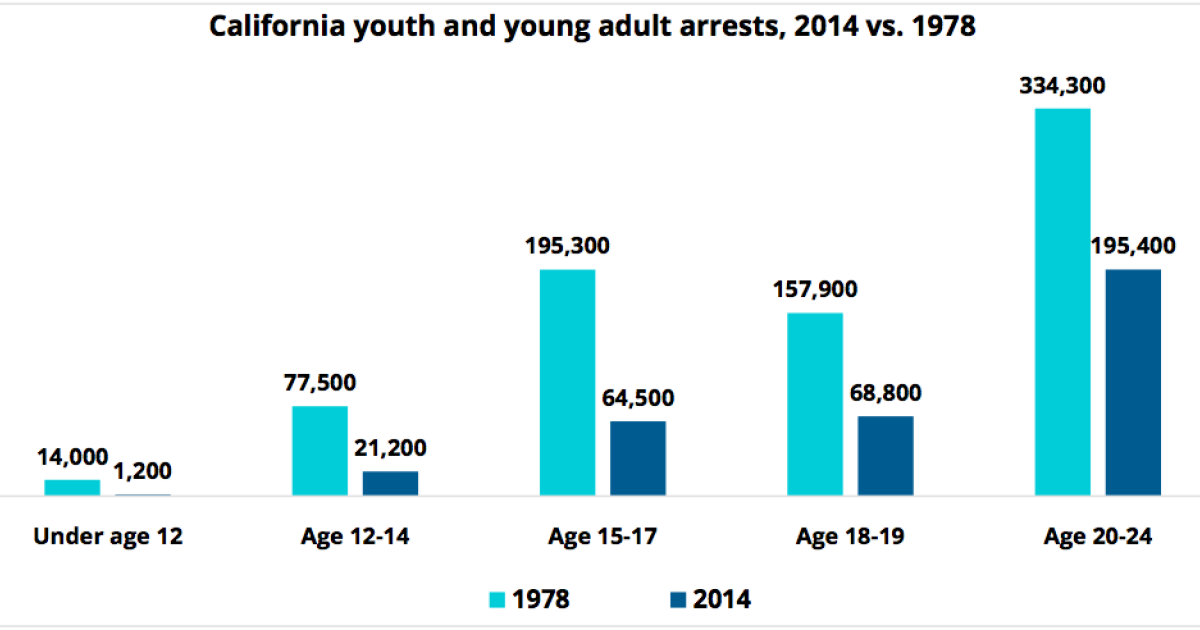
The historic plunge in juvenile crime threatens key interests. The paradoxical response: revival of the obsolete myth that adolescents are innate criminals.
The Daily Journal quotes CJCJ’s Nisha Ajmani to discuss the problematic practice of prosecuting youth in adult court.
The Boston Globe writes about the life of Jerry Miller and his many powerful accomplishments in the field of juvenile justice, including “the Massachusetts experiment.”