
Blog May 14, 2015
Why Do We Resist Individualized Justice?
“Demographic determinism” persists even among progressives. It needs to stop.
San Francisco Public Defender, Jeff Adachi, discusses CJCJ’s recent report on the city’s disproportionate arrests of African American women.
Publications May 9, 2015
CJCJ in the news: S.F. police scandal focuses on dwindling number of blacks
The Los Angeles Times highlights CJCJ’s 2012 report on San Francisco’s disproportionate arrests of African Americans for drug felonies.

Blog May 7, 2015
Disgraceful Rhetoric from Baltimore
Rhetoric blaming youth for destruction in Baltimore reinforces America’s troubling historical narrative against the young and poor.

Policymakers, law-enforcement, and advocates must include justice-involved youth when making decisions that affect these young people and their communities.
Publications Apr 30, 2015
CJCJ in the news: San Francisco Criminal Justice Leaders Push for Change at Race Summit
CJCJ Senior Research Fellow Mike Males discusses his latest findings on racially disproportionate arrests in San Francisco.
Publications Apr 30, 2015
April News from CJCJ
Formerly incarcerated Californians advocate for reform; San Francisco’s Racially Disproportionate Arrest Rates Persist; CJCJ youth client gets a fresh start
Publications Apr 29, 2015
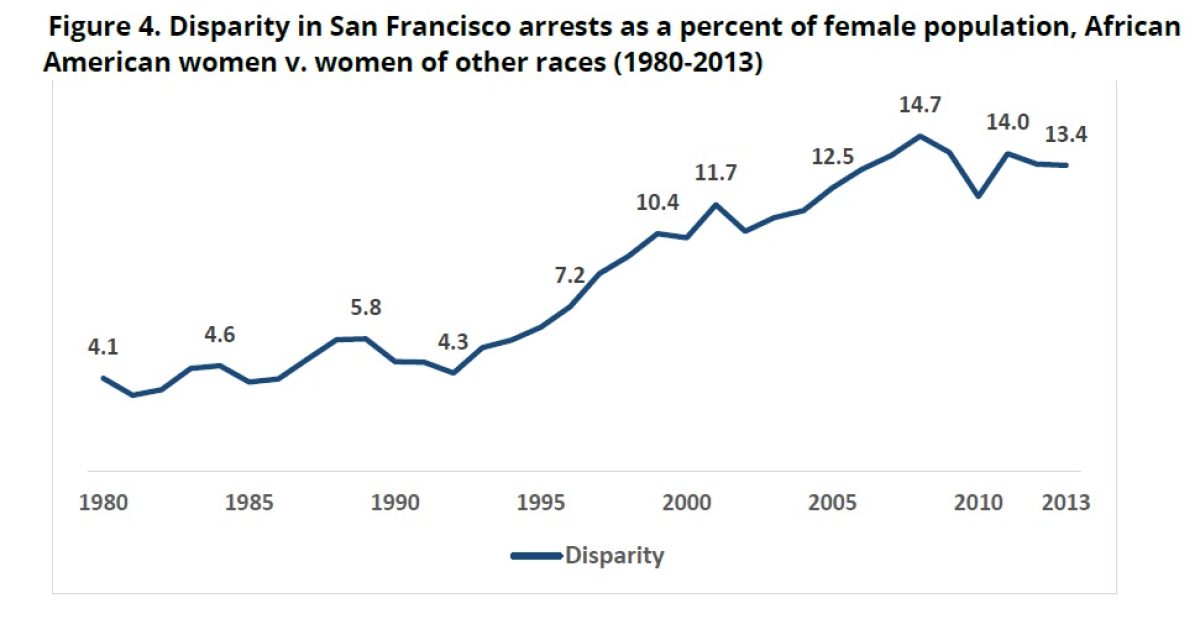
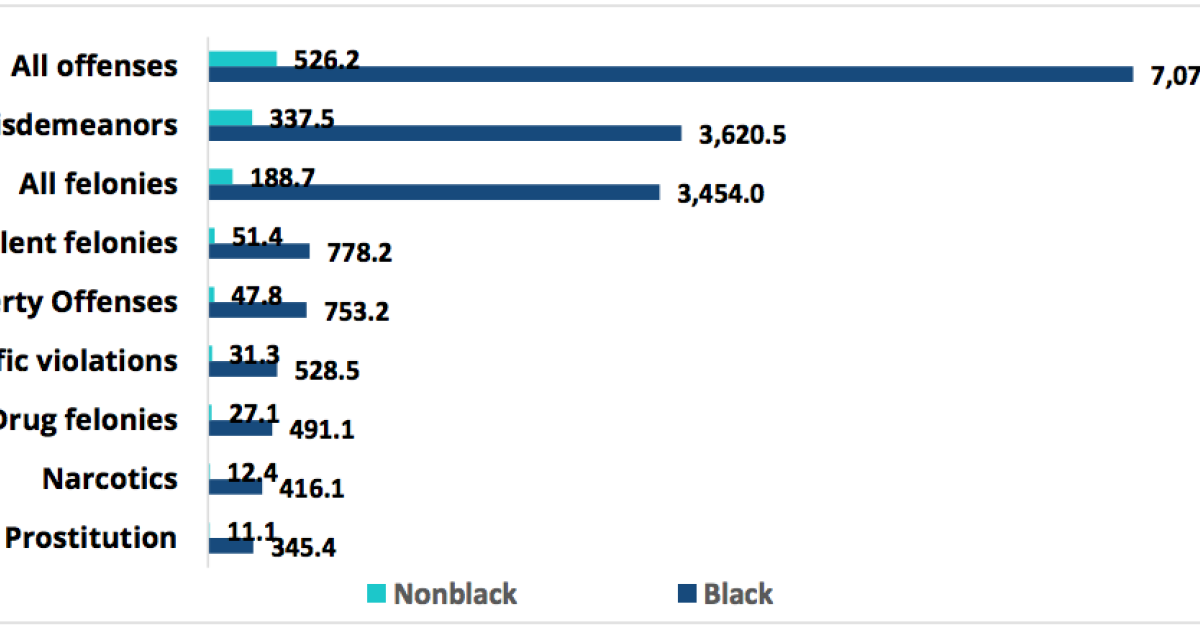
San Francisco’s Disproportionate Arrest Rates of African American Women Persist
A new CJCJ fact sheet analyzing data shows the disproportionately high arrest rates of African American women in San Francisco.
Publications Apr 29, 2015
CJCJ in the news: African Americans cited for resisting arrest at high rate in S.F.
SF Gate highlights CJCJ’s study on the disproportionate arrest rates of African American women in San Francisco.
Blog Apr 14, 2015
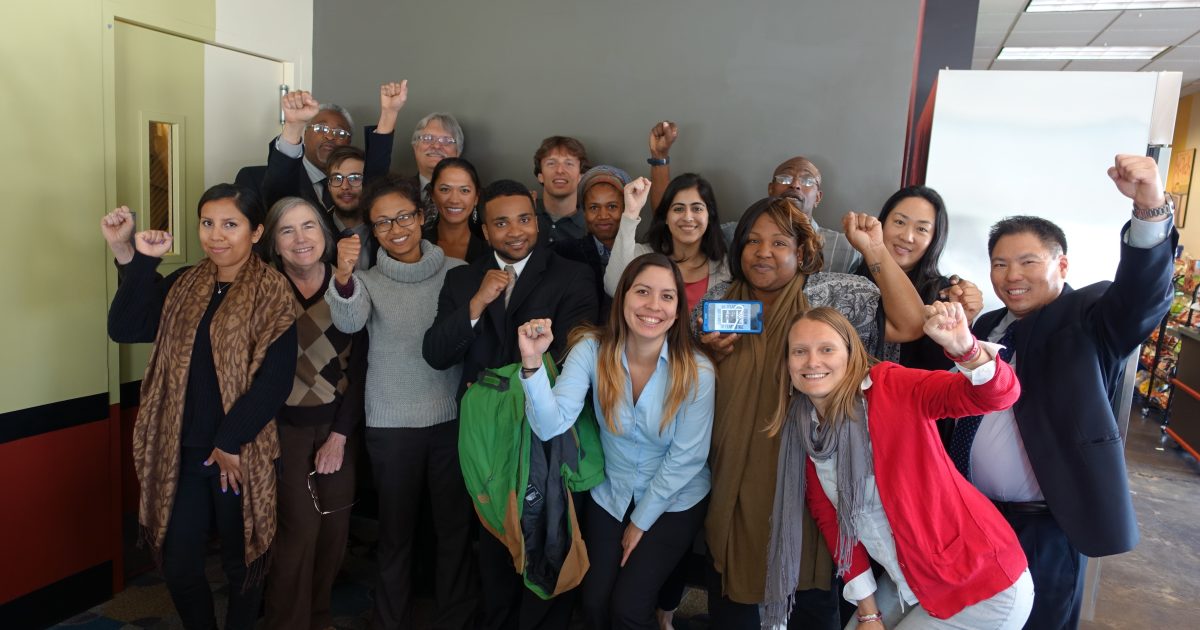
CJCJ’s legislative priorities for 2015
CJCJ and our allies are working to enact systemic reforms to make California’s criminal and juvenile justice systems more humane, fair, and effective. Learn about some of the bills we’re supporting.
Blog Apr 9, 2015
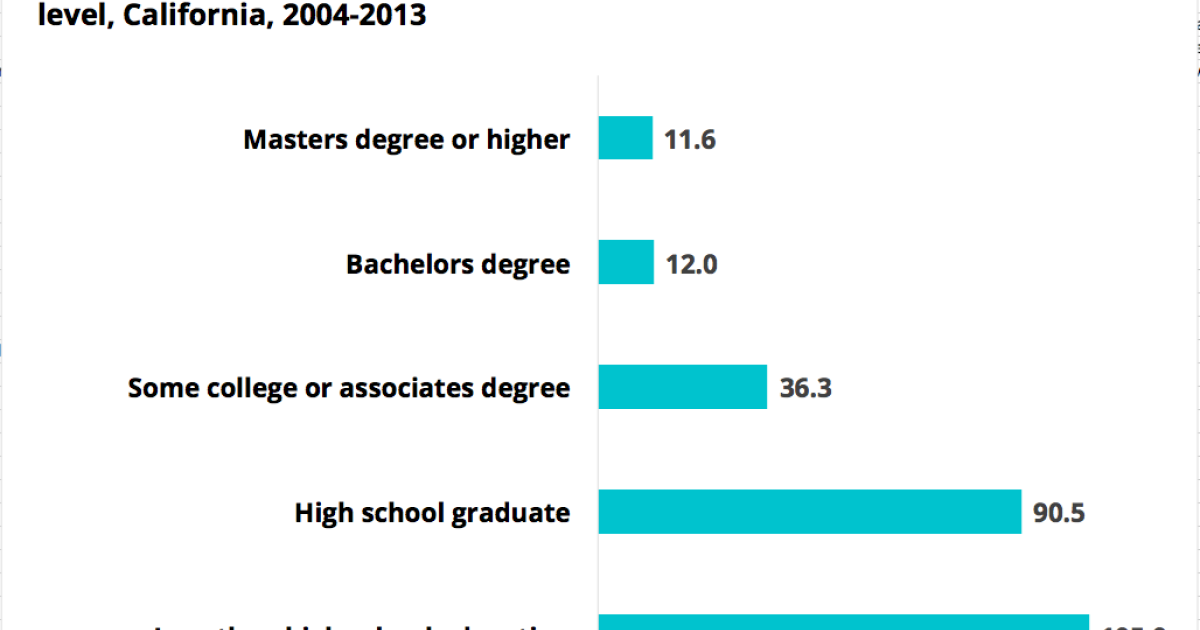
Books not Bars is Right
A person’s education level doesn’t just correlate to employment and salary — it’s also correlated with a person’s likelihood of being murdered.
Publications Mar 31, 2015
March News from CJCJ
California allies convene to keep youth out of the adult system; CJCJ testifies on the consequences of a felony conviction; CJCJ program pairs college students with youth in Juvenile Hall