Veterans and youth in the justice system have something in common — trauma. California’s juvenile courts should address this trauma through treatment, not incarceration.
Jun 30, 2015
June news from CJCJ
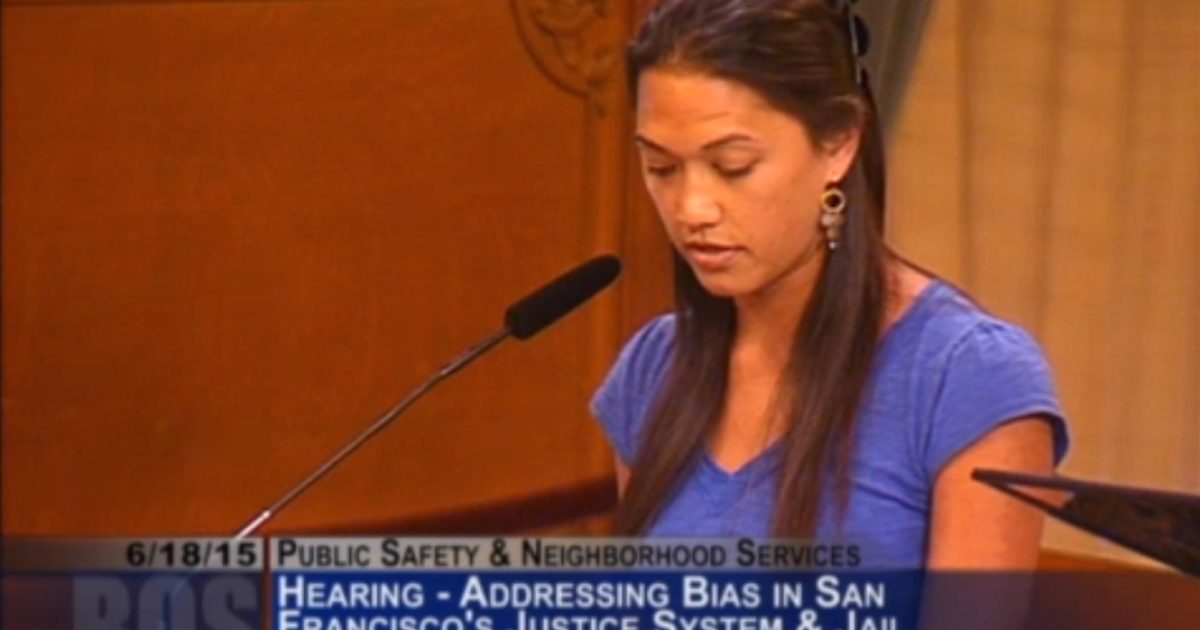
Advocates voice concerns with $500 million for facility construction; San Francisco County holds hearing on bias in the justice system; CJCJ adult client gives back.
Jun 26, 2015
For males of color, status is mixed
The Californian covers CJCJ’s Brian Goldstein’s testimony on the status of boys and men of color in Monterey County.

A sudden conversion to religious forgiveness and fiscal prudence on prison budgets? There’s a more plausible reason, one no one is talking about.
In California, people of color are more strongly represented at every stage of the criminal justice system except in decision-making roles.
The Associated Press quotes CJCJ’s Director of Policy and Development, Brian Goldstein, on the finalized application, approved by the Board of State and Community Corrections (BSCC), through which California counties may request portions of $500 million to fund jail construction.
The Associated Press reports on CJCJ’s criticisms of the rubric by which the Board of State and Community Corrections (BSCC) plans to distribute $500 million in jail construction funding to California counties.
The Spring 2015 issue of Justice Policy Journal includes articles on the barriers incarcerated mothers face to regain custody of children, peer support’s effect on recidivism, how police make decisions during traffic stops, and evaluating veterans in the criminal justice system.
On June 10th, California’s Board of State and Community Corrections will meet to finalize the request for proposals (RFP) for $500 million in adult facility construction funding. These funding decisions will unquestionably have a long-term impact for all Californians.
Publications May 31, 2015
May news from CJCJ
The plummeting arrest rates of California’s children; Patti Lee honored as a trailblazer of juvenile justice reform; and California leaders work to implement Prop 47.
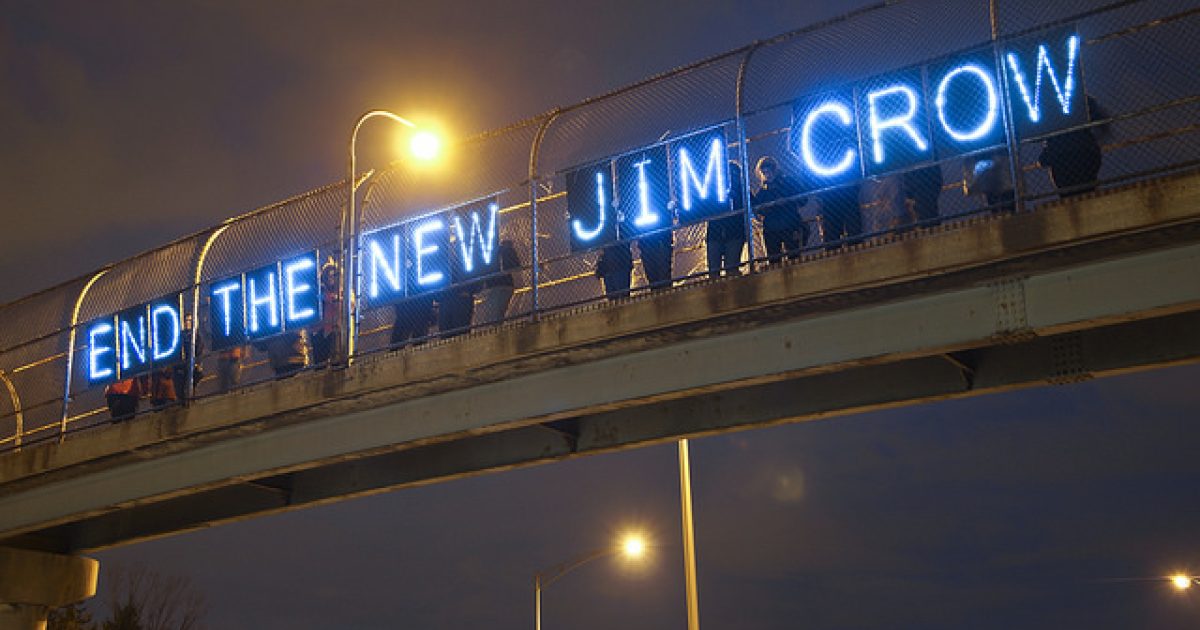
So it was said, almost 50 years ago, by the Kerner Commission, in their report on the riots of the 1960s. Their exact words were: “Our nation is moving toward two societies, one black, one white — separate and unequal.” And so it remains today.
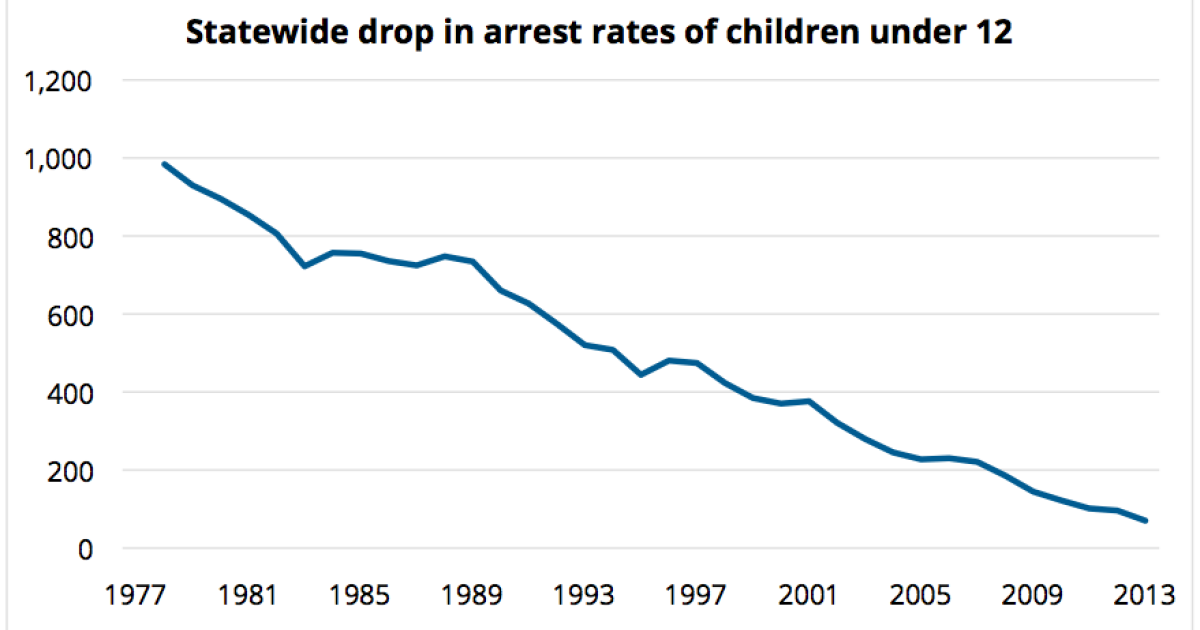
A dramatic development with profound implications for Califorina’s criminal justice system has occured over the last three decades: an enormous decline in arrests among the youngest Californians.