
This July, California’s Fourth District Court of Appeal held that a San Diego youth was eligible to reclassify his sentence from a felony to misdemeanor under California’s Proposition 47, setting a legal precedent for the rest of the state.
Juvenile Justice Information Exchange (JJIE) publishes an op-ed by CJCJ’s Lauren Barretto on the lack of adequate screening for, and evaluation of, mental health needs in the juvenile justice system.
Jul 31, 2015
July news from CJCJ
CJCJ welcomes Cameo House’s new director, Shirley Lamarr; Men’s Wearhouse donates suits to CJCJ program graduates; Nisha Ajmani calls for trauma-informed care in the juvenile system
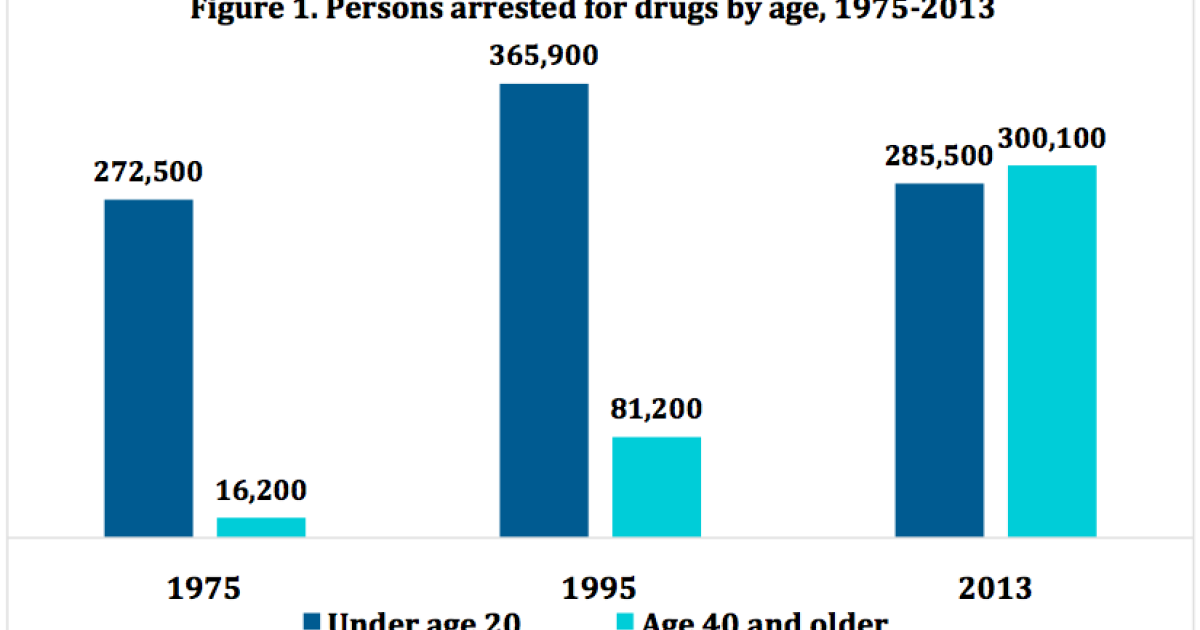
We need a modern strategy that treats crime as a behavior of individuals, not demographic groups, and a criminal justice system that responds to individual characteristics. These four charts show game-changing trends in drug abuse, arrest, and imprisonment the president and major interests steadfastly ignore.
Jul 22, 2015
CJCJ in the news: Protesters question Denver police killing of mentally ill Native American
After Denver police shot and killed Paul Castaway, a Rosebud Sioux tribal citizen, Al Jazeera America contacted CJCJ’s Mike Males to discuss his data on which demographics are most likely to be shot by police.
Blog Jul 21, 2015
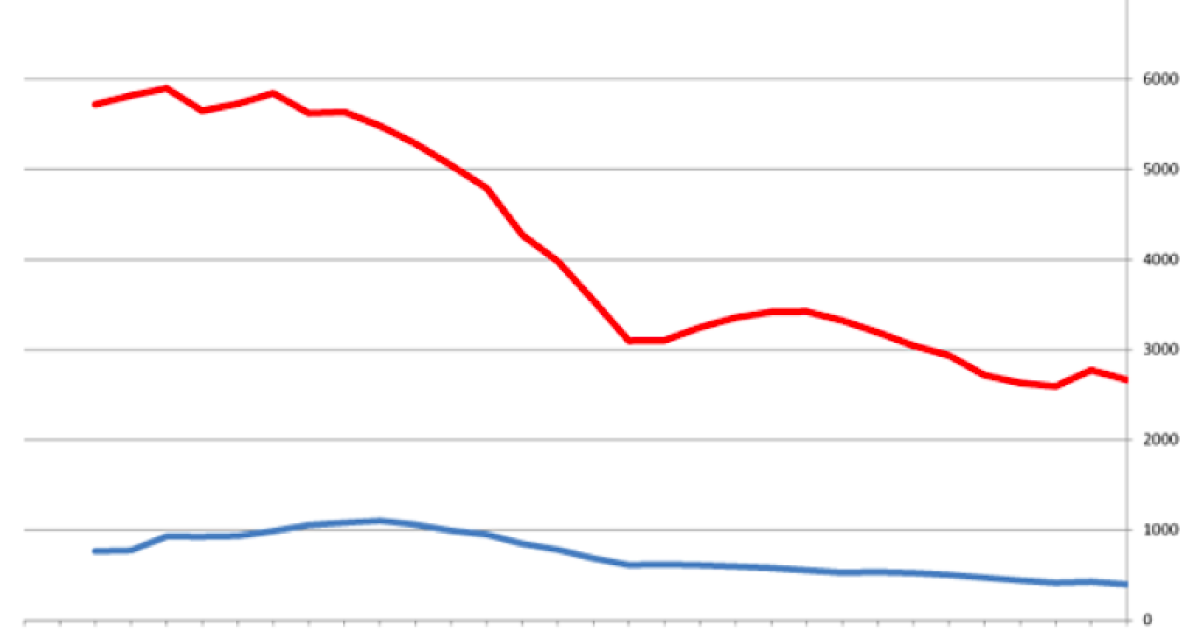
California crime keeps going down in 2014
This month, the Attorney General of California released new data for 2014 showing that crime in the state continued its downward trend.
CJCJ in the News Jul 20, 2015
Jane Kim: San Francisco should fund effective programs, not a new jail
San Francisco County Supervisor, Jane Kim, highlights CJCJ’s Cameo House as a model alternative to incarceration for rest of the nation.
CJCJ’s Mike Males is featured as a guest on the Huffington Post Live’s discussion about the Clinton admnistration’s effect on crime and what the change in public opinion means for Hilary Clinton’s campaign.
Blog Jul 14, 2015
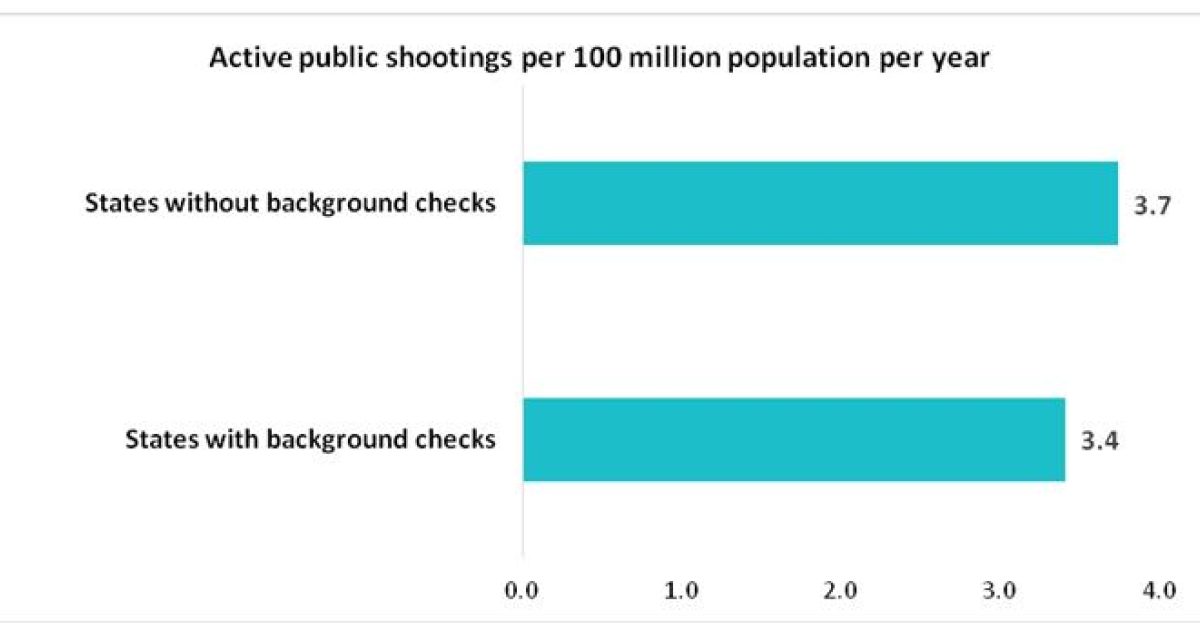
Does Anyone Have a Solution to Gun Violence?
Gun violence is horrific. Why are we tolerating today’s going-nowhere political debate?

CJCJ’s juvenile justice services programs utilize intensive supervision and clinical services (ISCS) to address the unique needs of clients and help them reenter their communities.
The Christian Science Monitor on OR’s legalizing recreational marijuana use, citing CJCJ’s “Reforming Marijuana Laws: Which Approach Best Reduces the Harms of Criminalization? A Five-State Analysis”
Juvenile Justice Information Exchange (JJIE) publishes an op-ed written by CJCJ’s Nisha Ajmani.