Blog Sep 29, 2015
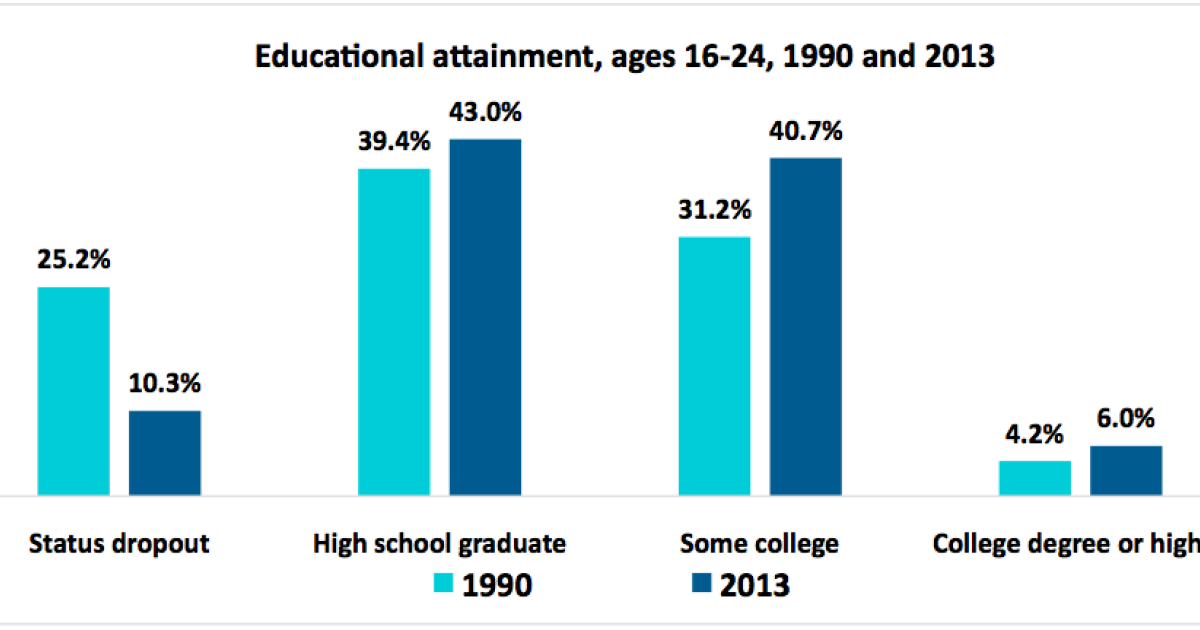
Why has crime plummeted?
Does the stunning increase in educational achievement among young people over the last 20 years explain why nearly every “adolescent risk” (homicide, drug abuse, and violent death) has plummeted to record-low levels?
As critics fault Proposition 47 for a spike in crime, the East Bay Express cites expert criminologists and CJCJ to explain why the claim is problematic.
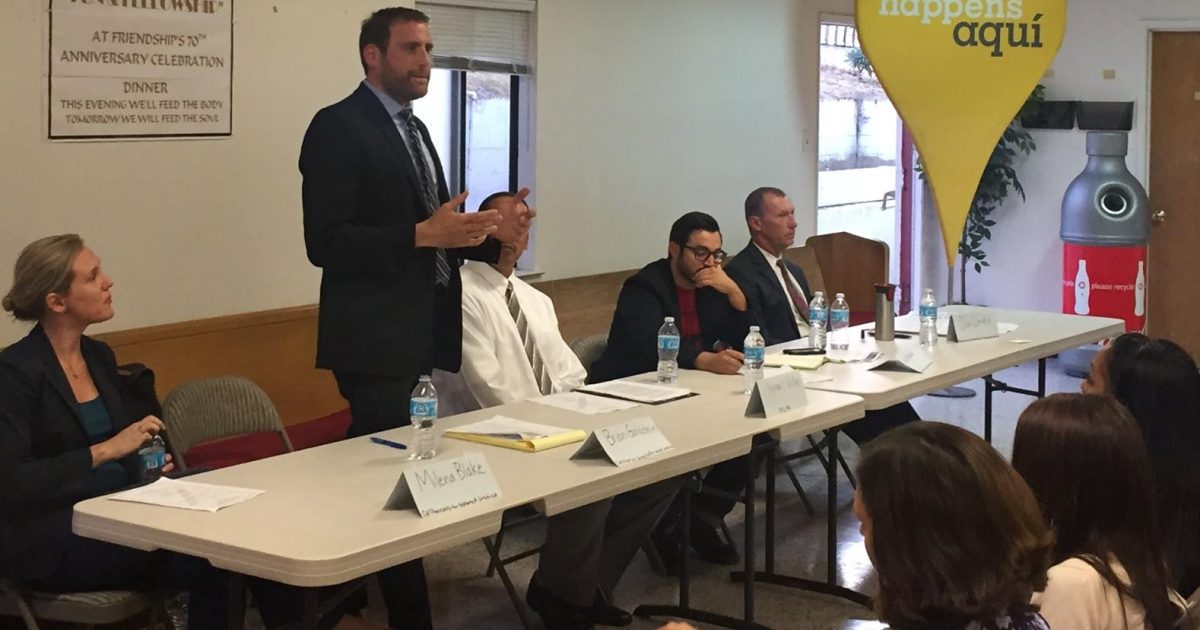
On September 10, local elected officials, community leaders, and neighbors in Monterey County’s City of Seaside gathered to learn about the impact of Proposition 47 on state policymaking and local public safety,

“When people get out of prison, they are being released into this chaotic city — a city that has greatly transformed in recent years — and it’s a fragile time,” says CJCJ’s San Francisco Training Partnership case manager, Matthew Snope.
Sep 3, 2015
CJCJ in the news: With Juvenile Deincarceration, Jerry Miller Was First One Over the Wall
CJCJ’s executive director, Daniel Macallair, is honored as a “feisty Miller acolyte” by the Chronicle of Social Change after the passing of the great Jerry Miller.
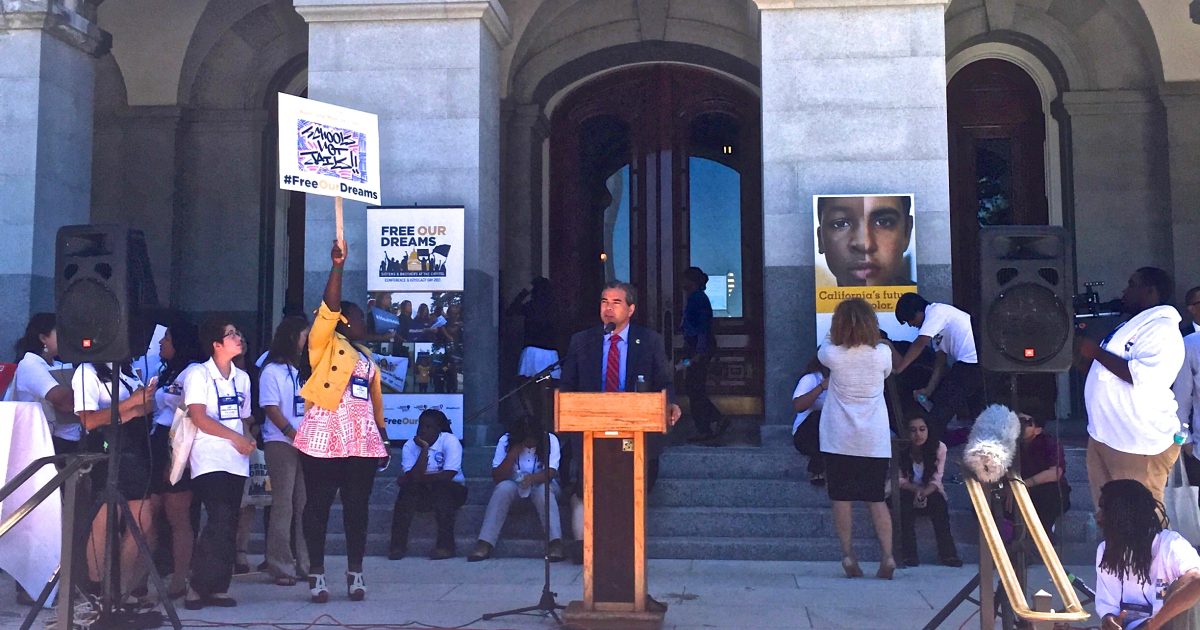
Community groups, advocate organizations, and young people of color who compose the Alliance for Boys and Men of Color meet with legislators, discuss policy, and request that community leaders have input in decisions affecting their neighborhoods.

Publications Aug 31, 2015
August news from CJCJ
CJCJ clients gain leadership skills and enjoy the outdoors; Realignment and crime in 2014: California’s violent crime in decline; Youth of color visit state representatives to discuss key legislation
A new report from CJCJ analyzes the increased Realigned population’s effect on county crime and finds that there is no causal relationship.
Blog Aug 25, 2015
Enough Nonsense on Youthful (In)competence
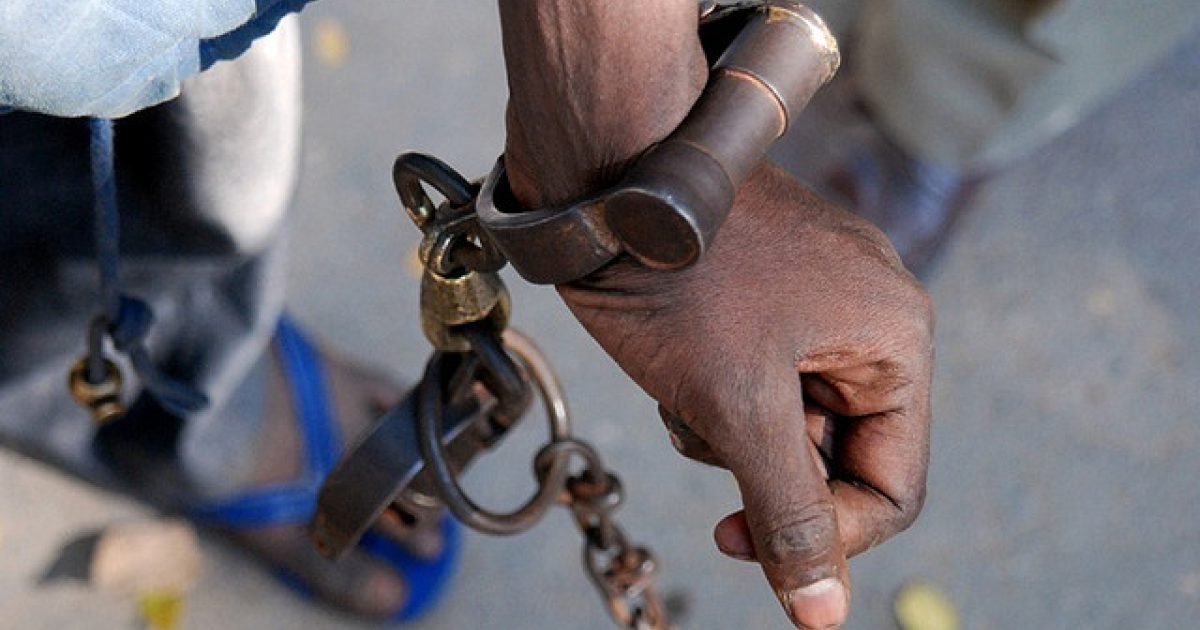
Pre-judging the individual guilt of the Santa Cruz 15-year-old accused of murdering a child is not just, and judging all 15-year-olds as incompetent is not science.

When a prosecutor wants to try a youth as an adult, defense attorneys reach out to Nisha Ajmani, program manager for CJCJ’s Sentencing Service Program (SSP), to keep that youth in the juvenile justice system.

Aug 19, 2015
CJCJ Founder Passes On
It is with great sadness that we announce the passing of Jerome G. Miller, the visionary leader who closed Massachusetts’s juvenile prisons in the early 1970s and forever changed the context of juvenile justice reform.
Publications Aug 6, 2015
CJCJ in the news: As California becomes more diverse, youth arrests continue to plummet
Sacramento News & Review interviews CJCJ’s Mike Males on his report “The Plummeting Arrest Rates of California’s Children” detailing the dramatic decline in youth arrests over the past 30 years.