CJCJ researches the root causes of crime and other social issues. We examine broader social conditions such as poverty, racial, ethnic, and geographic disparities. Our work promotes policies that address these causes. This creates a healthy and equitable society for all. History has repeatedly demonstrated that incarceration is not a sustainable, long-term solution to public safety. Here are CJCJ’s research findings on legislation aimed to influence incarceration, community safety, and public policy.
For more information, contact CJCJ Communications at cjcjmedia@cjcj.org or (415) 621‑5661 x. 103.
Filter Results

Report Oct 19, 2026
Lessons of the Manson Case: Childhood, Institutions, & the Myth of the Born Criminal
Report by Dan Macallair examines the childhood and juvenile institutional history of Charles Manson, asking what that history reveals about the systems entrusted with the care and control of children.
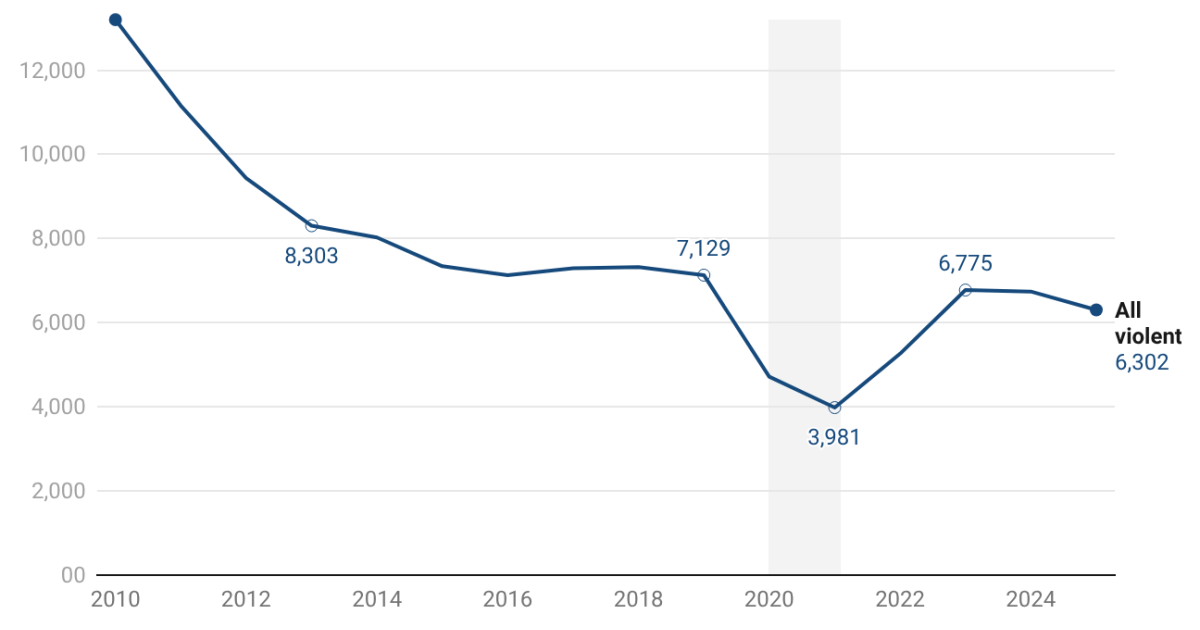
California’s juvenile violent felony arrest rate in 2025 was the fourth lowest in 68 years, challenging CPOC narratives of a youth crime surge. Policy brief by Mike Males, Ph.D.
Publications Oct 8, 2026
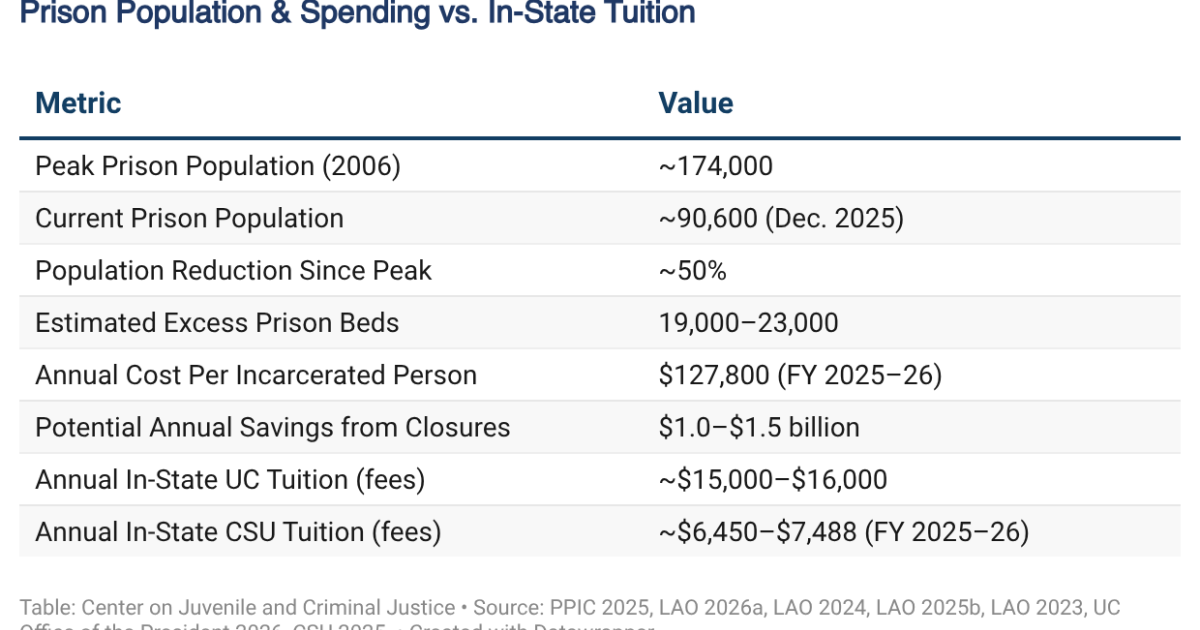
California’s Opportunity: Closing Prisons and Reinvesting in Higher Education
California should seize this moment to right-size its prison system and reinvest savings where they will produce the greatest long-term benefit: higher education. A CJCJ Fiscal and Policy Analysis.
Publications Sep 23, 2026
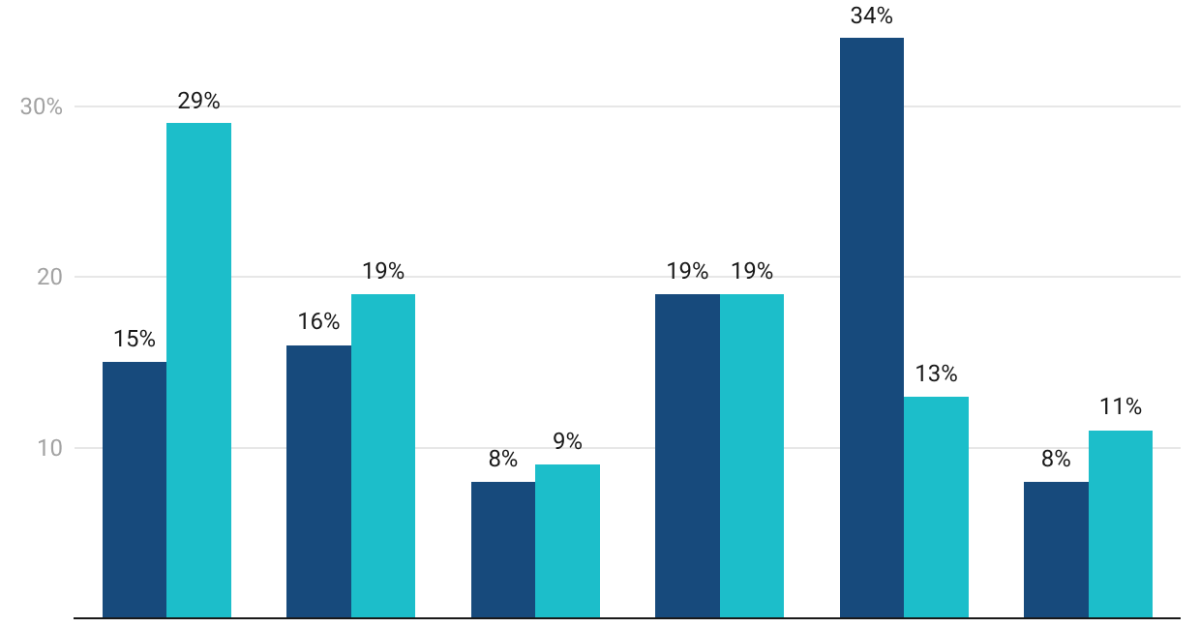
Prop 47 Is Working: The Case for Treatment Over Incarceration in California
Prop 47 redirected state savings from a shrinking prison population into community-based treatment, housing, and mental health programs. It cut recidivism and made gains in housing and employment.
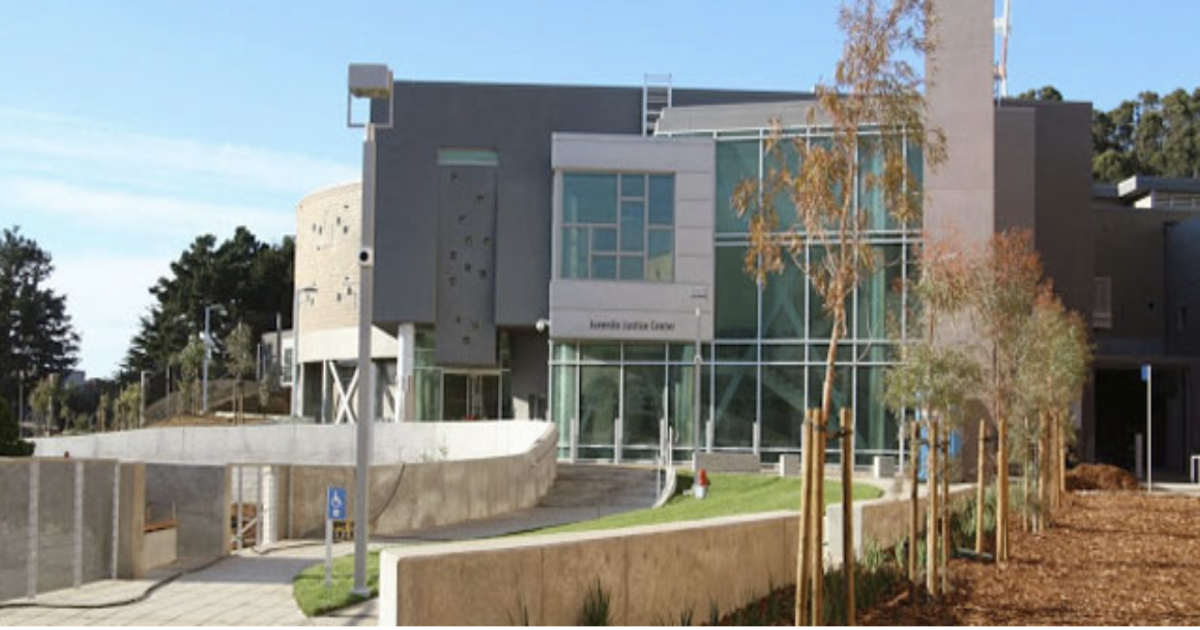
Costly Blunder examines how California expanded juvenile detention during a historic decline in youth arrests, leaving counties with excess capacity and long-term costs.