
Blog Nov 17, 2015
November BSCC meeting kick starts big projects
Last week, the Board of State and Community Corrections approved $500 million in county facility construction funding and appointed chairs for its Proposition 47 subcommittee.
Blog Nov 5, 2015
New Reform: Same as the Old Reform
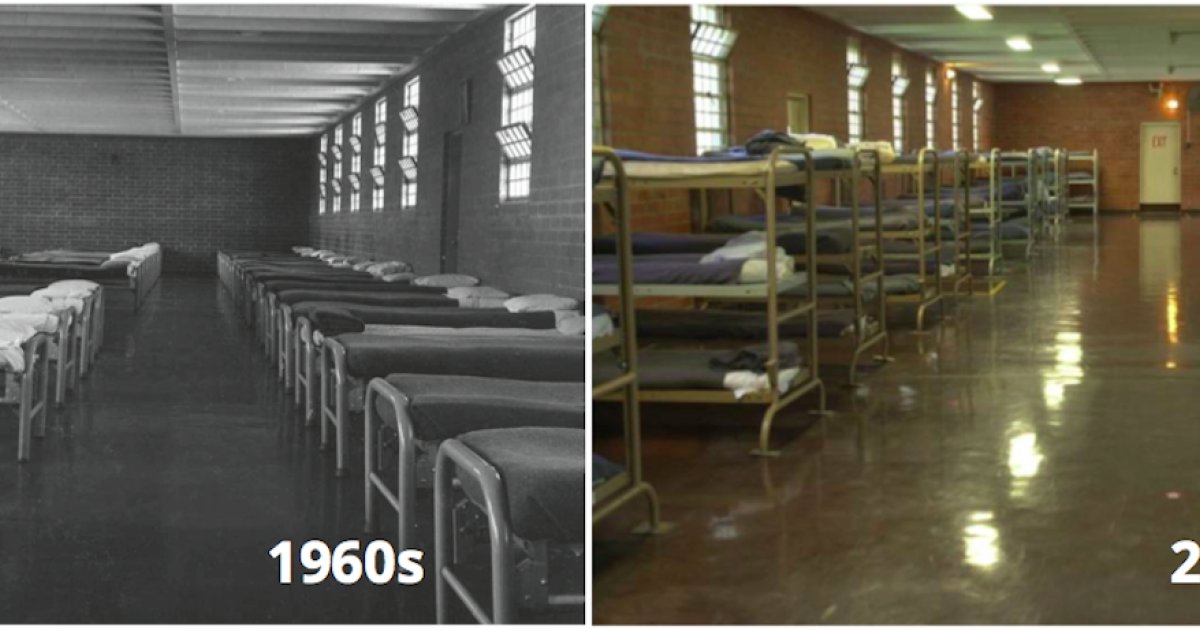
Two lessons from CJCJ Executive Director Dan Macallair’s new history of California juvenile justice: (1) Beware of the status quo; (2) Beware of “reform.”

Oct 30, 2015
October news from CJCJ
JCRT’s Daniel Reyes promotes community-based services at national conference, a CJCJ youth client looks forward to the future, and After the Doors Were Locked by Daniel Macallair receives praise from criminal justice professionals

Blog Oct 27, 2015
California Improves Juvenile Record Sealing Process
CJCJ updates Seal It to reflect improvements made by new legislation
The Huffington Post cites an article by CJCJ’s Mike Males, “Who Are Police Killing?”, to discuss police violence against African-Americans.

Blog Oct 22, 2015
The Business of Guns
Even after all the mass shootings in the U.S, few are talking about two important issues: American gun culture and the business of guns. Gun deathse are expected to surpass vehicale deaths in 2015, how is the gun industry contributing to violence?
Students and community organizations gathered to protest the San Bernardino Unified School District’s role in the school-to-prison pipeline. This IE article cites CJCJ’s report revealing San Bernardino to be one of two cities where school officers can arrest students, and appear to do so frequently.
Juvenile Justice Information Exchange (JJIE) publishes an op-ed by CJCJ’s Nisha Ajmani contrasting the United States’ treatment of youth in the justice system to that of other developed nations.
Oct 14, 2015
CJCJ in the news: KCBS interviews Daniel Macallair on sentencing youth to life without parole
On October 13th, 2015, the U.S. Supreme Court heard arguments to determine if its 2012 decision, prohibiting automatic sentencing of juveniles to life in prison without the possibility of parole, should be applied retroactively.
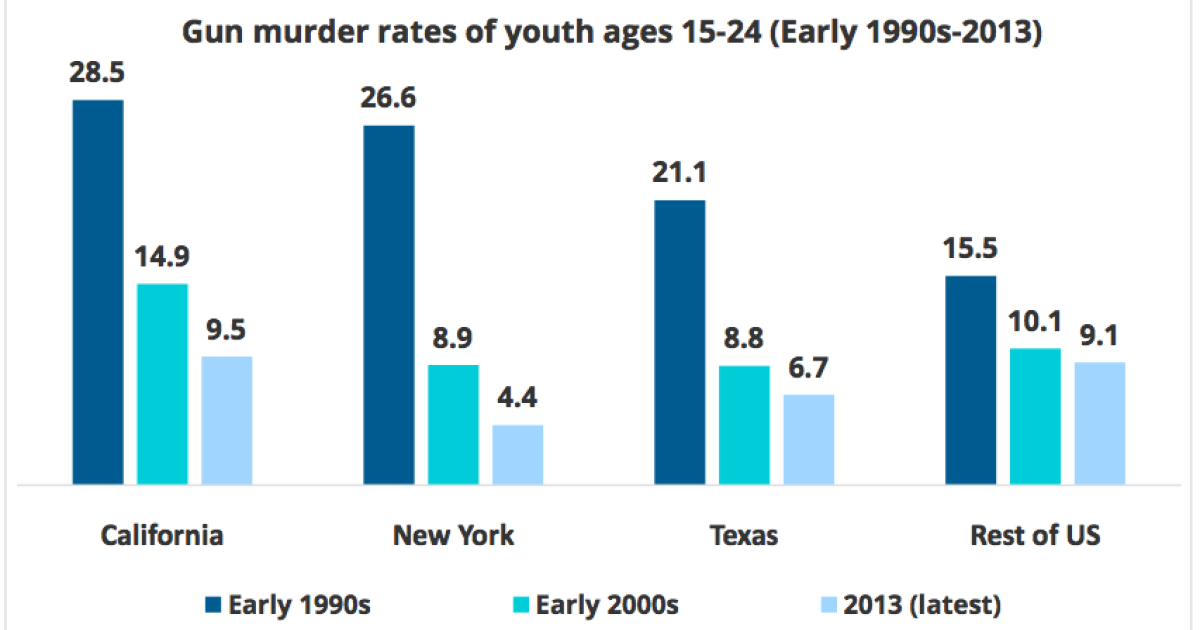
There are some surprisingly positive developments for politicians and lobbyists ready to conclude today’s endless quarrel.
Oct 12, 2015
CJCJ in the news: Native Lives Matter, Too
The New York Times tracts the disparate killings of Native Americans by police officers, citing CJCJ as one of the few sources that covered this issue.

Publications Sep 30, 2015
September news from CJCJ: Executive Director publishes history of California juvenile justice system
After the Doors Were Locked: California’s juvenile justice history; JJS supports youth on Polynesia Violence Prevention Day; CJCJ participates in Monterey County Proposition 47 town hall